A few more bugs with the 55-200mm

For the last couple of days, I’ve gone out to walk around with only the Nikkor DX 55-200mm kit zoom lens on the Nikon V1. In my fanny pack I have the SB-N7 flash and the Raynox DCR-150 achromat lens. The Nikon 1 crop factor of 2.7 makes this the equivalent of a 150-540mm lens in 35mm terms. If I add the Nikkor 1 10-30mm then I have a very lightweight and convenient kit in terms of portability and flexibility.

In responding to a couple of questions on an internet forum, I decided to try a few closeups using the Raynox Achromat. The Leitz ELPROs that I use with the 30-110mm cause vignetting on the larger lens. These shots are lightly processed closeups from this morning. Nothing more than curve adjustment and a bit of unsharp mask. The image on the left is is uncropped and the one on the right cropped to make a more pleasant image.

Nikon 1 – Nikkor 55-200mm VR – Raynox DCR-150 – Nikon SB-N7 Speedlight
At 55mm

DSC_0272ar107 DSC_0272acr107

Nikon 1 – Nikkor 55-200mm VR – Raynox DCR-150 – Nikon SB-N7 Speedlight
At 200mm
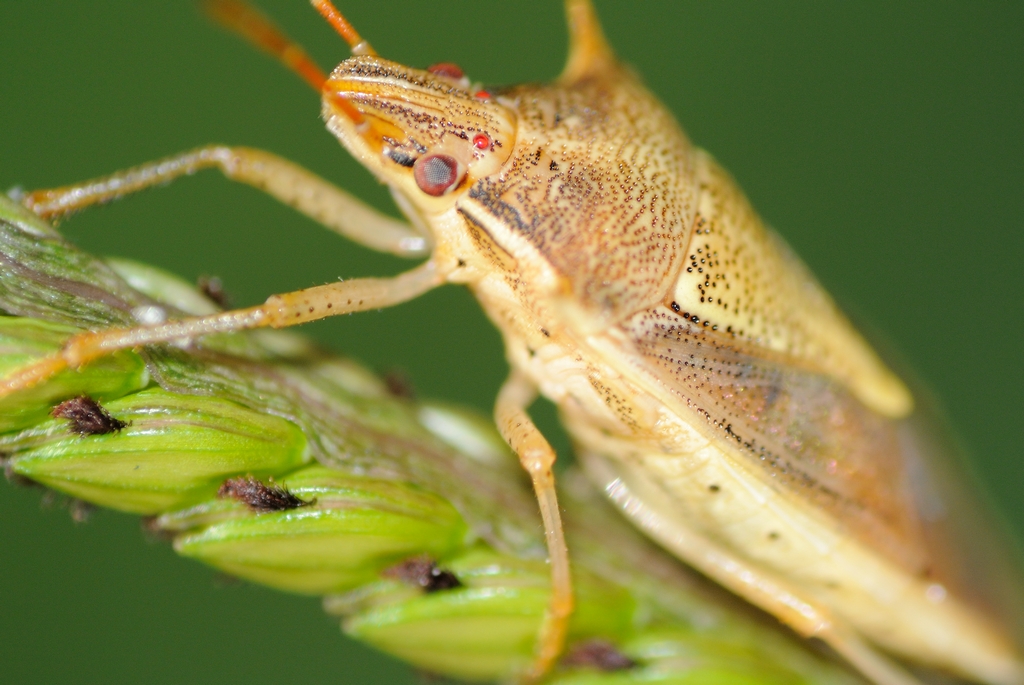
DSC_0279ar107 DSC_0279acr107

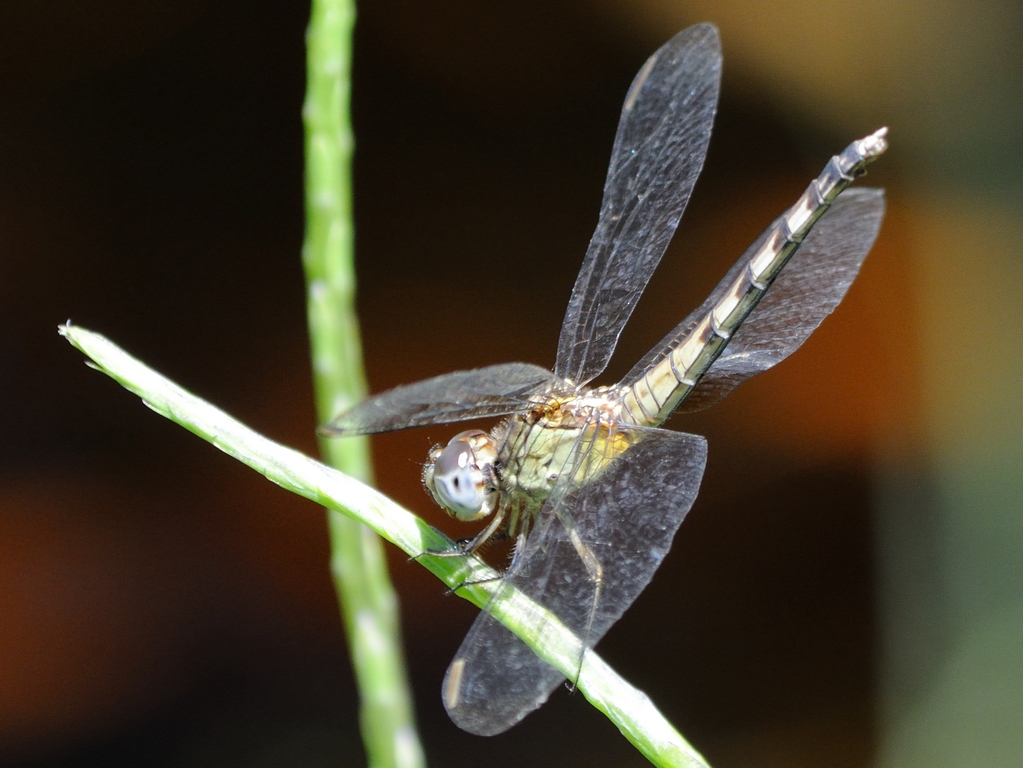
You don’t need the achromat to get good closeups of flowers or larger insects though. The minimum focus distance of the 55-200mm is 3.61 feet or 1.1 meters. That’s pretty close for a 200mm lens and you can really fill the frame with a pretty small subject. To show that, here is a shot of a medium sized dragonfly without the Raynox achromat. Like the others, the left side is uncropped and the right cropped for presentation.
Nikon 1 – Nikkor 55-200mm VR- Nikon SB-N7 Speedlight
At 200mm

DSC_0306ar107 DSC_0306acr107

Posted in Bug, Camera Gear | Tagged , , , | Leave a comment

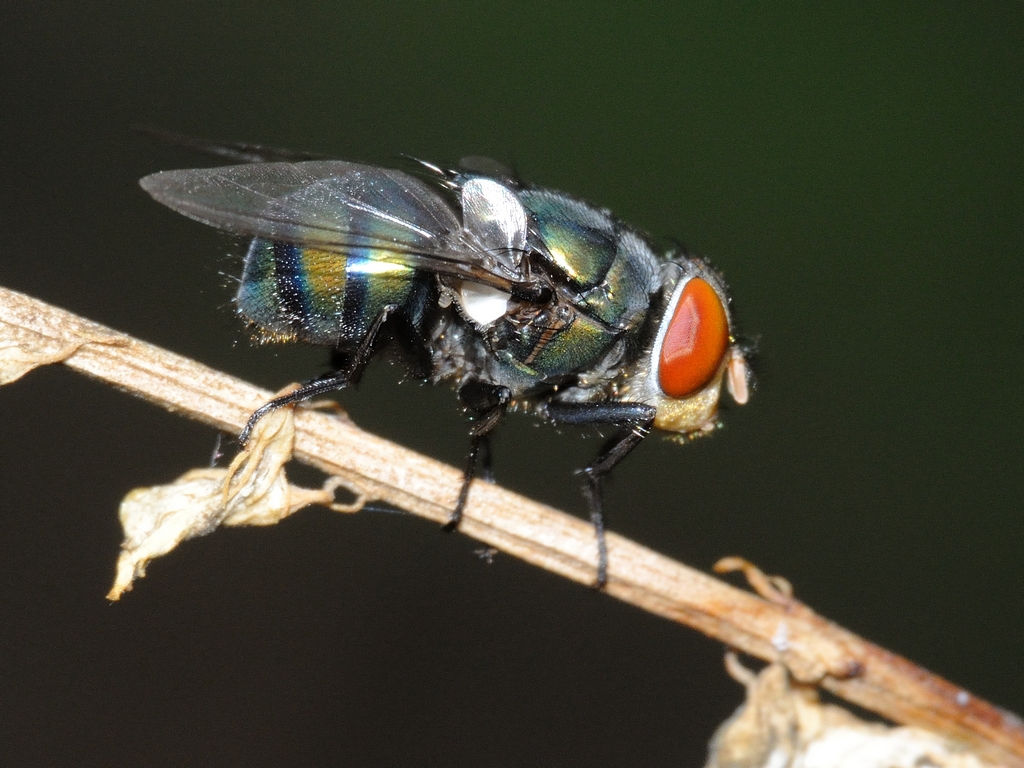
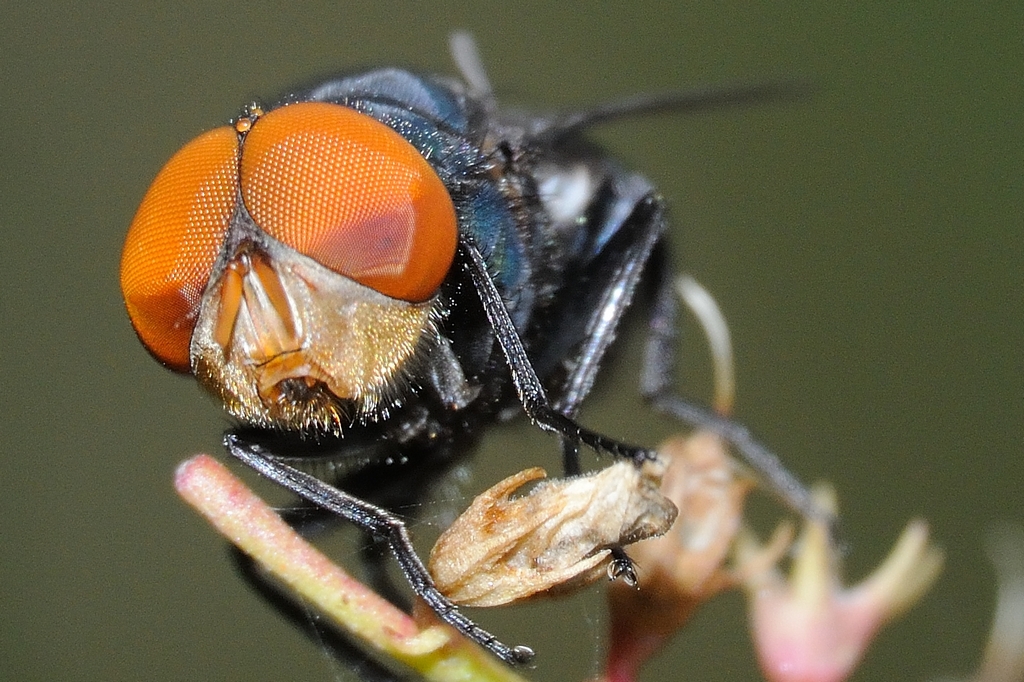
Hairy Maggot Blowfly

What a terrible name even if it is true. They are actually reasonably attractive flies.
DSC_8870acr107
In trying to identify it, I discovered that you can tell the gender by the eye position. Today’s fund fact: The males eyes meet on top of the head while the females are seperated.
DSC_8889acr107 DSC_8894acr107h

Posted in Bug | Tagged , , , , | 4 Comments

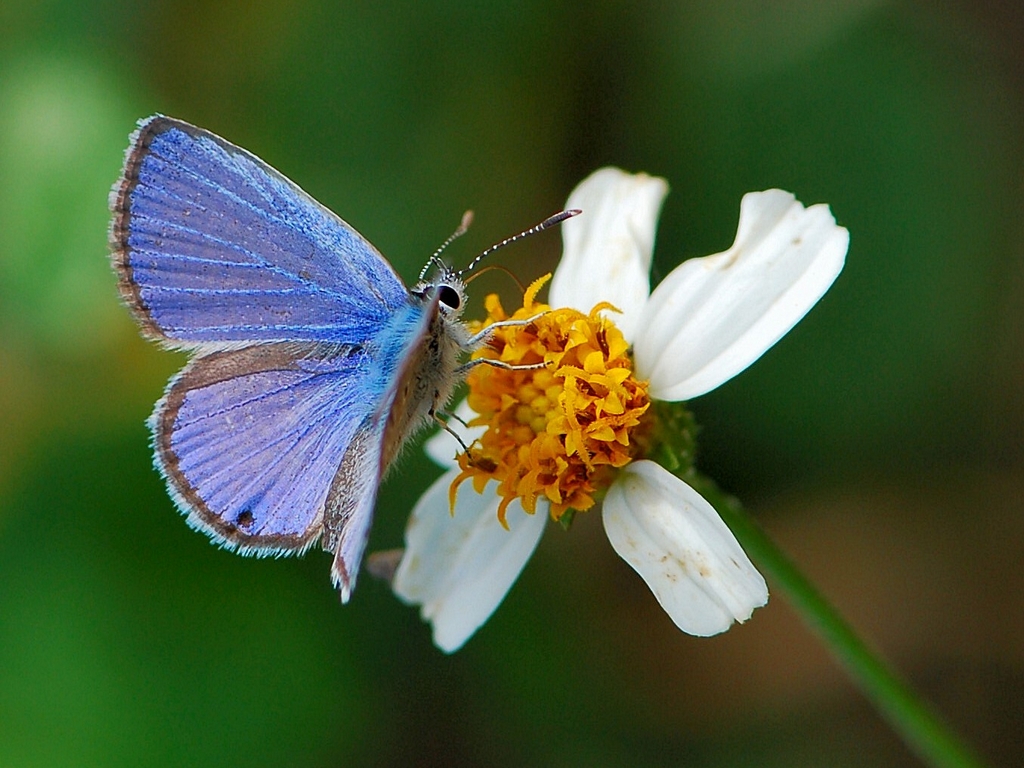
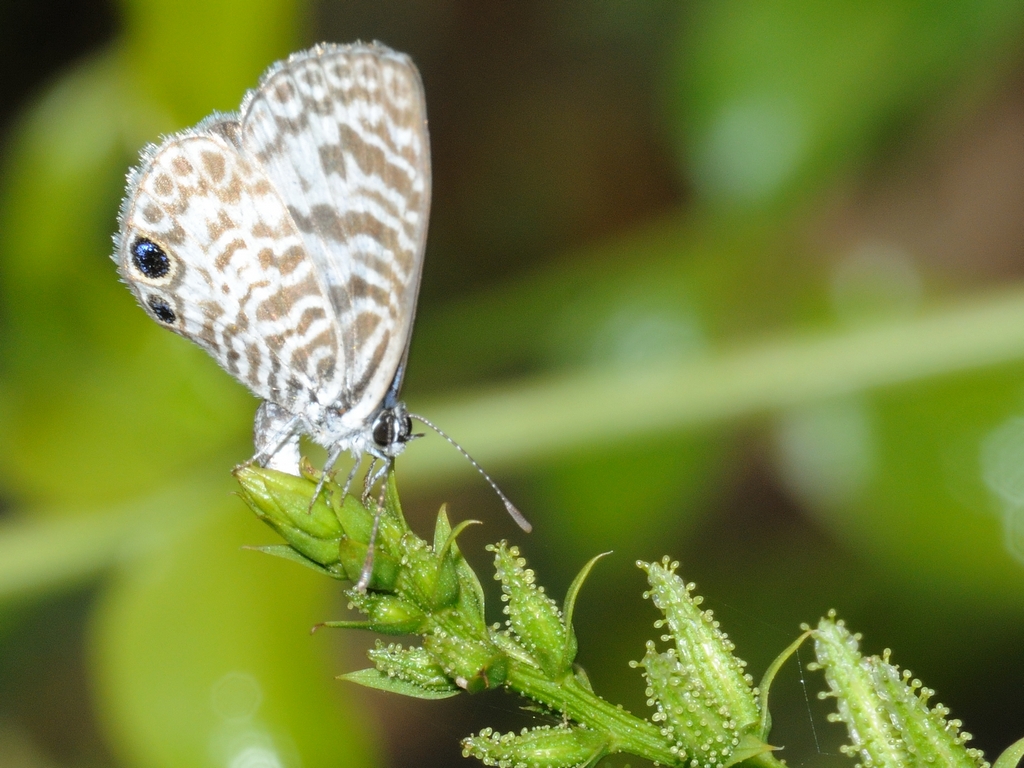
Ceraunus Blue – Hemiargus Ceraunus

This is another small butterfly, similar to the Grey Hairstreak I showed in May. It’s about the same size as can be seen here where a Ceraunus Blue is sharing lunch with a Hairstreak. You can see the blue of the wing top where there is a slight seperation.
DSC_2921acr107
It has two completely different appearances. You see the blue tops of the wings as it flitters about but they fold when landed and a more dull disguise is shown.
DSC_6811_cr107 DSC_8592acr107

Posted in Bug | Tagged , , | 1 Comment

V1 Telezoom size comparisons

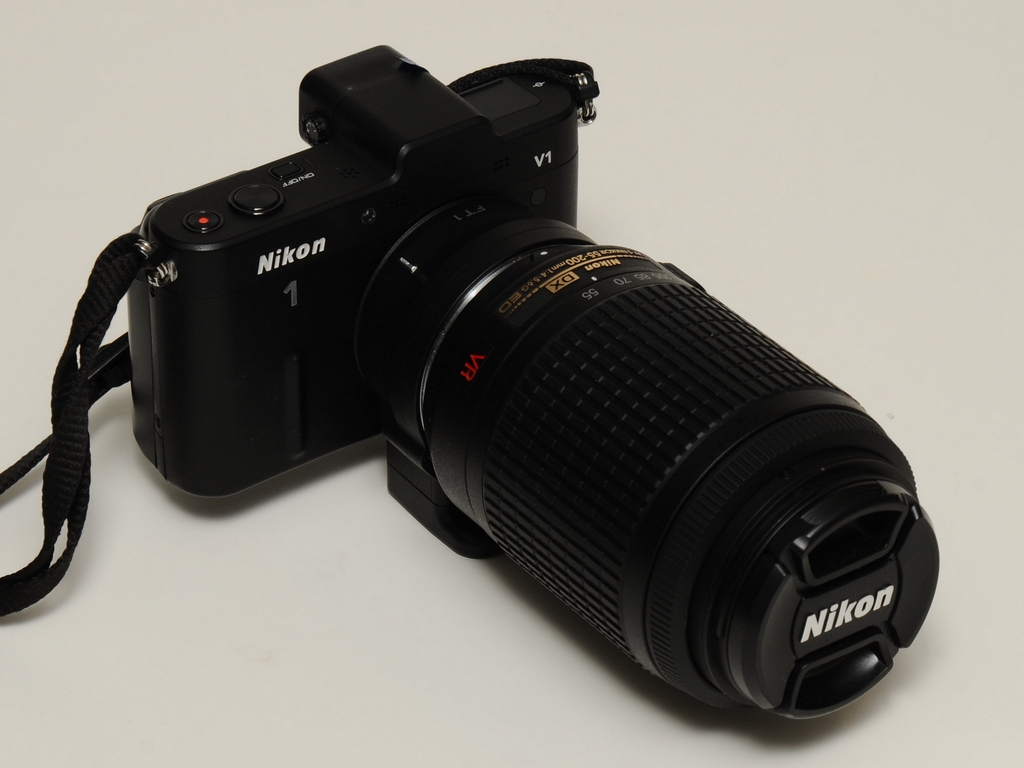
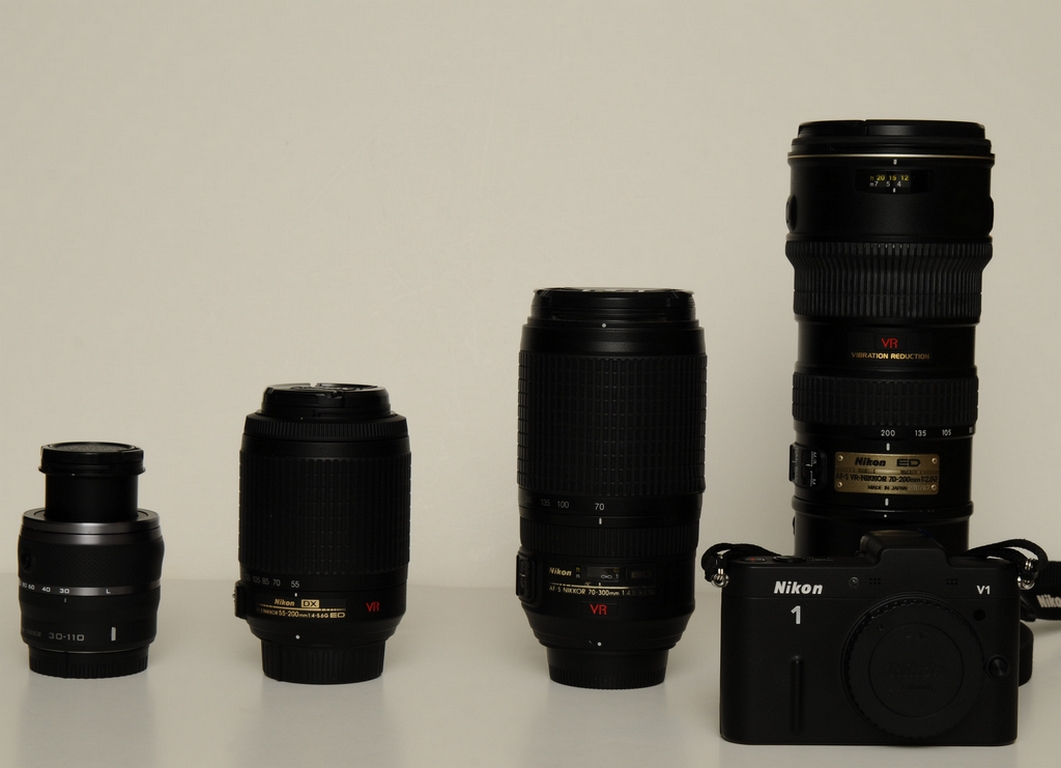
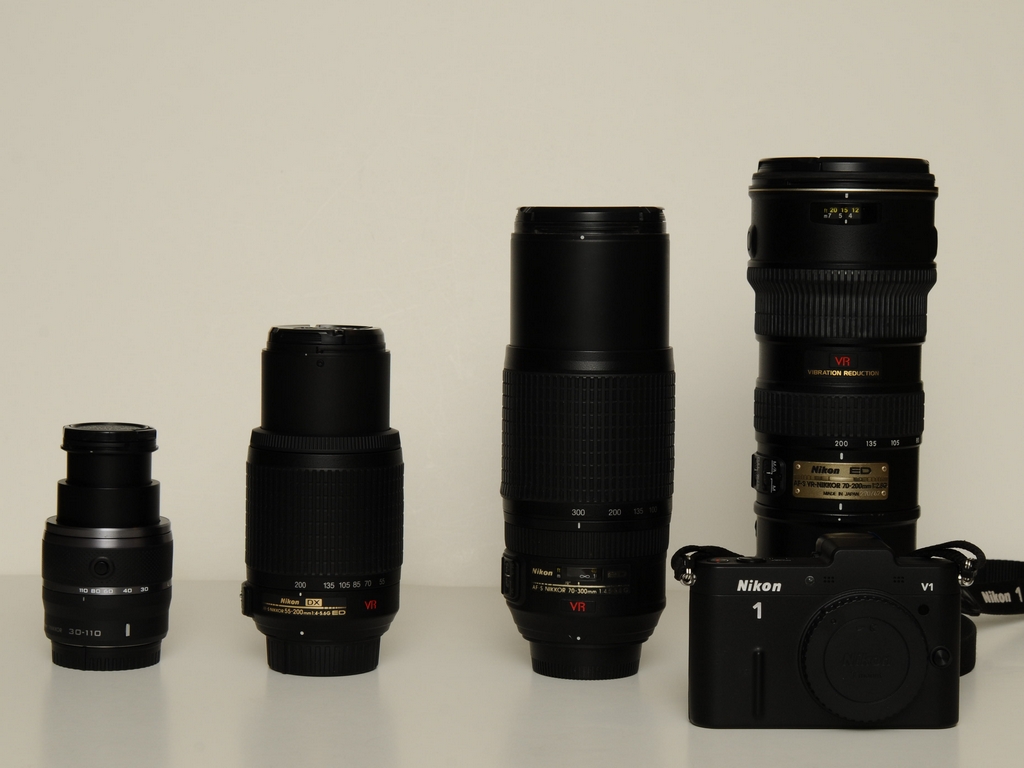
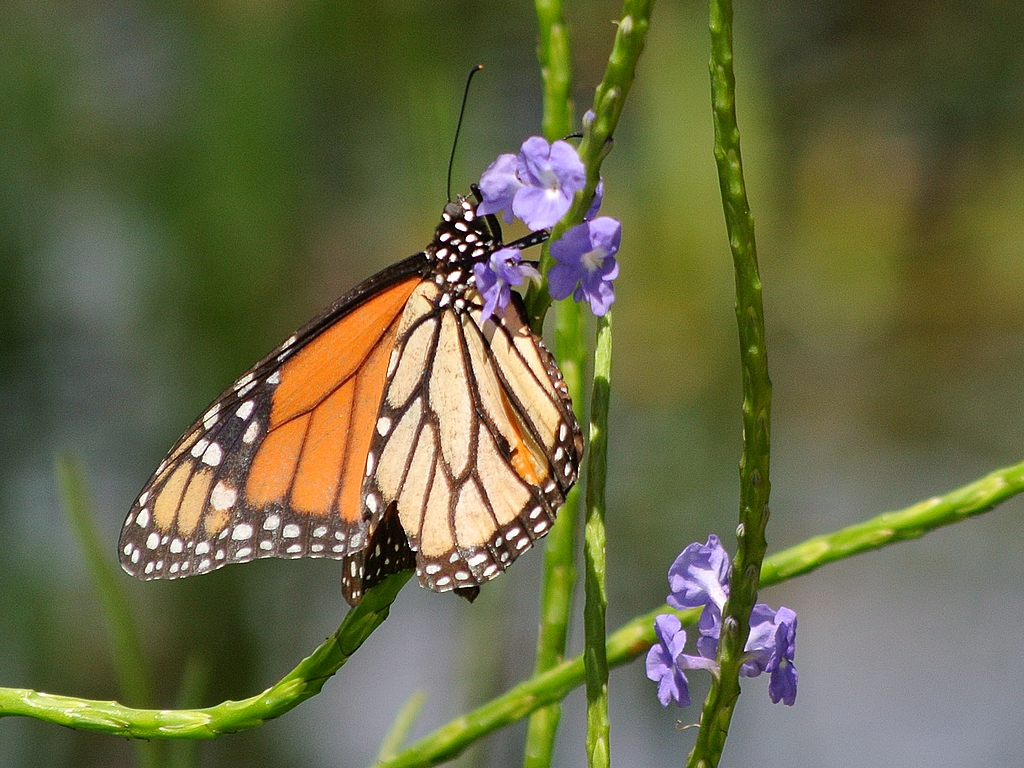
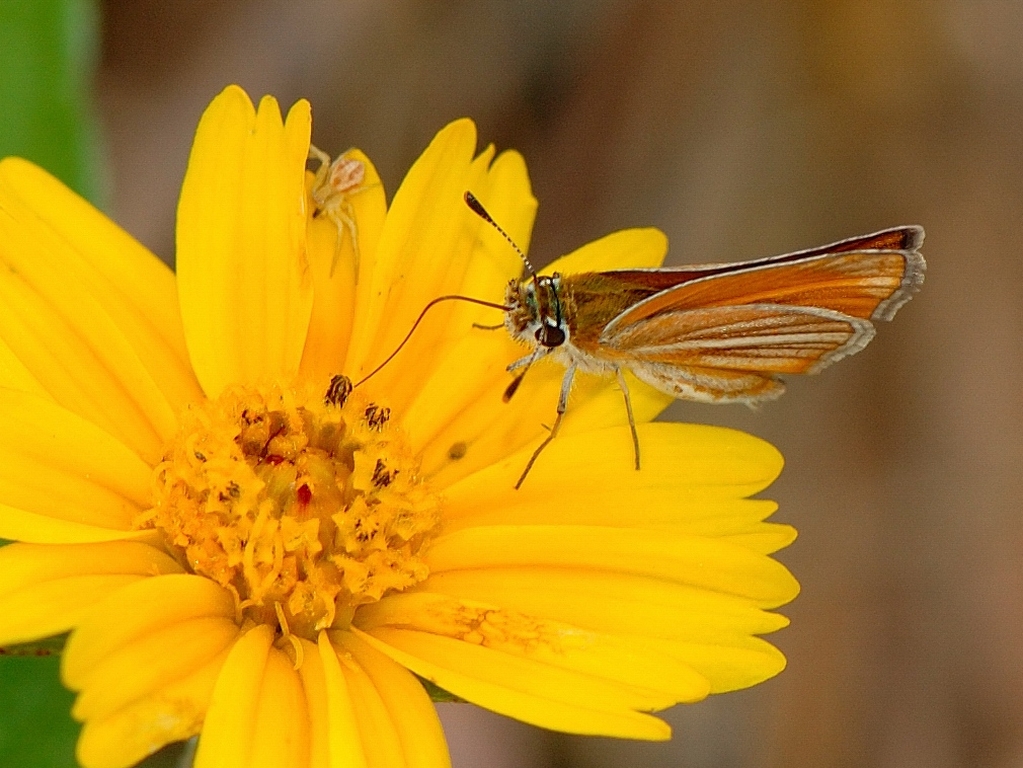
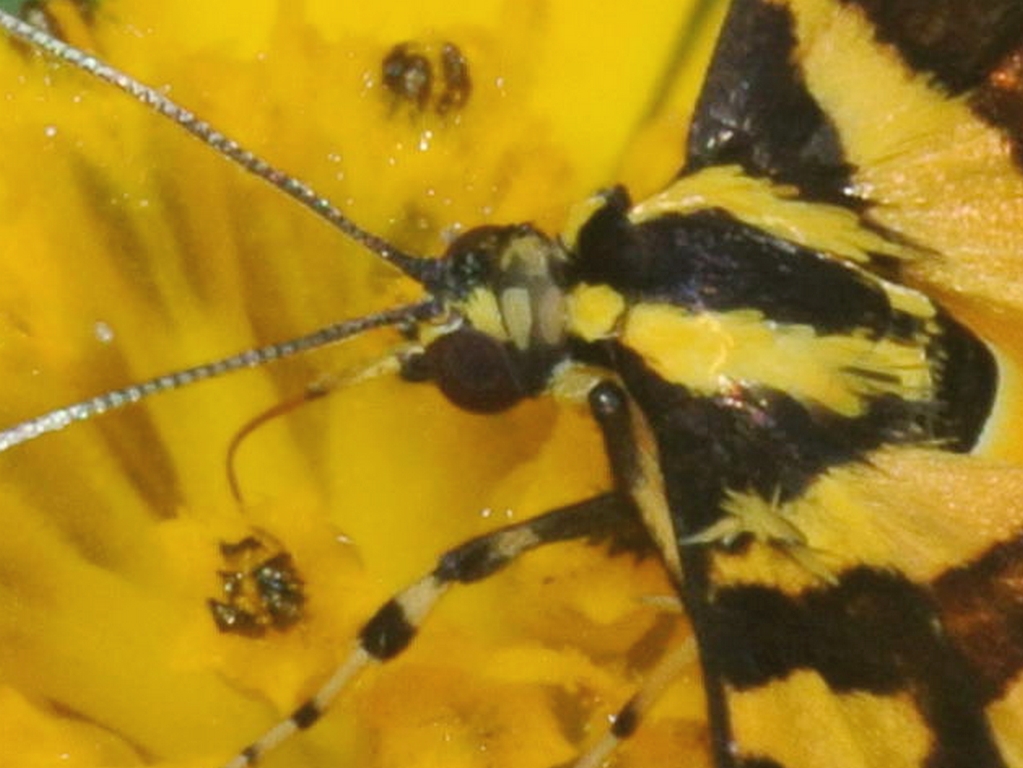
In a couple of my posts now I’ve shown images with the Nikon V1 and Nikkor 55-200mm DX VR lens. I pointed out that I really like it on the body and was not concerned about it’s weight on the mount. Just for fun, I decided to show the V1 with its own Nikkor 1 30-110mm, the DX 55-200mm and the FX 70-300mm and 70-200mm Nikkors. This is just to show the differences in physical size. The first two shots here show the Nikon 1 V1 with the 55-200mm mounted via the FT-1 adapter.
DSC_6904cr107 DSC_6902cr107
Now, the three lenses at minimum and maximum focal length with the body for comparison. Since the 70-200mm is Internal Focus, it does not change it’s length as it zooms.
DSC_6900cr107 DSC_6899cr107
You can click on the image for a larger view.

Posted in Camera Gear | Tagged , , , , , , | Leave a comment

Looks like I’ll have one less butterfly this year

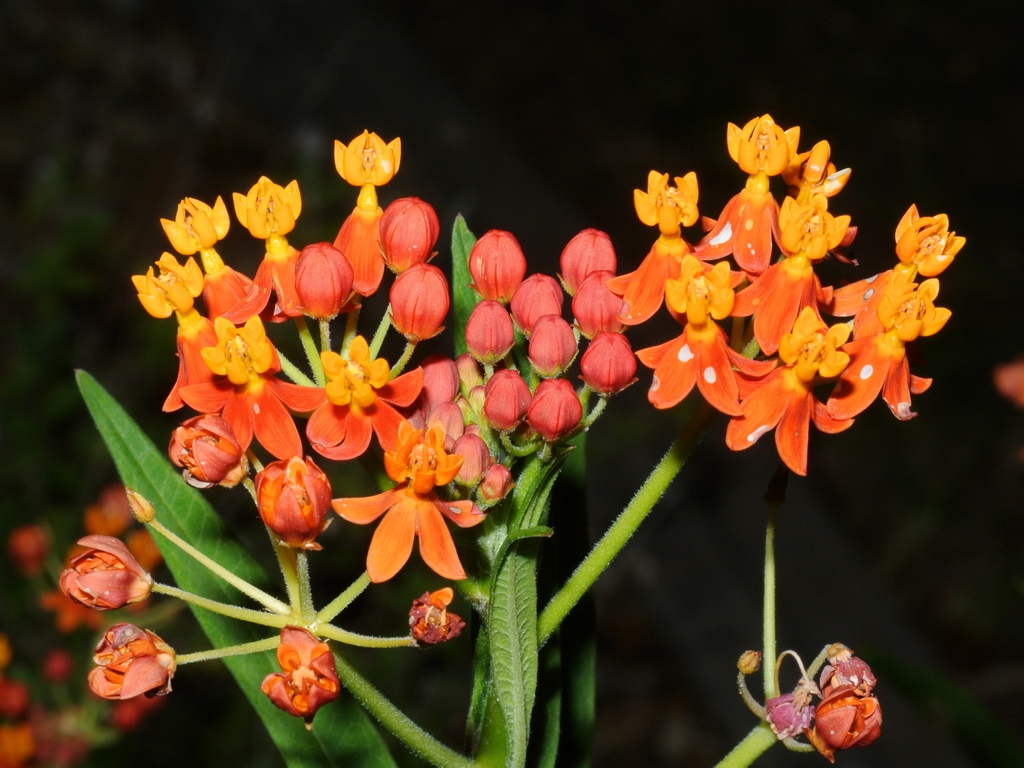
I have a Butterfly Weed – Asclepias curassavica in a pot hoping to attract more butterflies. It is a host plant for Monarchs and other butterflies seem to like it too. It seems to have worked because I soon found several Monarch caterpillars on the plant. Here is one of my first shots of one of them.
DSC_8780acr107
I noticed that a small fly had landed on it and went on to take other shots. When I came back I noticed that the fly was still there in the same position near the rear of the caterpillar. That seemed odd so I got a stronger lens and got a bit closer. It didn’t matter how close I got, the fly wasn’t about to leave.
DSC_6887acr107 DSC_6874acr107
It turns out that these flies lay their eggs inside the host caterpillar where they hatch and live as maggots until they are ready to pupate. Sometimes nature is disgusting. At any rate, the caterpillar itself will not pupate now and will therefore never become a butterfly. But that doesn’t happen to all of them. Here are a couple of shots, one of an adult Monarch – Danaus plexippus and the flowers of the Butterfly Weed.
Monarch - Danaus plexippus_1233cr107 DSC_8093cr107

Posted in animal behavior, Bug, Wildflower | Tagged , , , , | 1 Comment

A curve I left out

While I was pulling together pictures with curves to decide on what to present, I ran across this one from my Wingwalker post. I left it out and went with those from nature. This weekend though, the aircraft shown with Jane Wicker the wingwalker on board crashed at an airshow in Ohio.
DSC_2407acr107
I’m sure that there have been thousands of pictures taken of their act but, this is my small token of respect for her and Charlie Schwenker, her pilot.

Posted in Airshow, Event | Tagged , , , , | Leave a comment

Let’s throw another curve

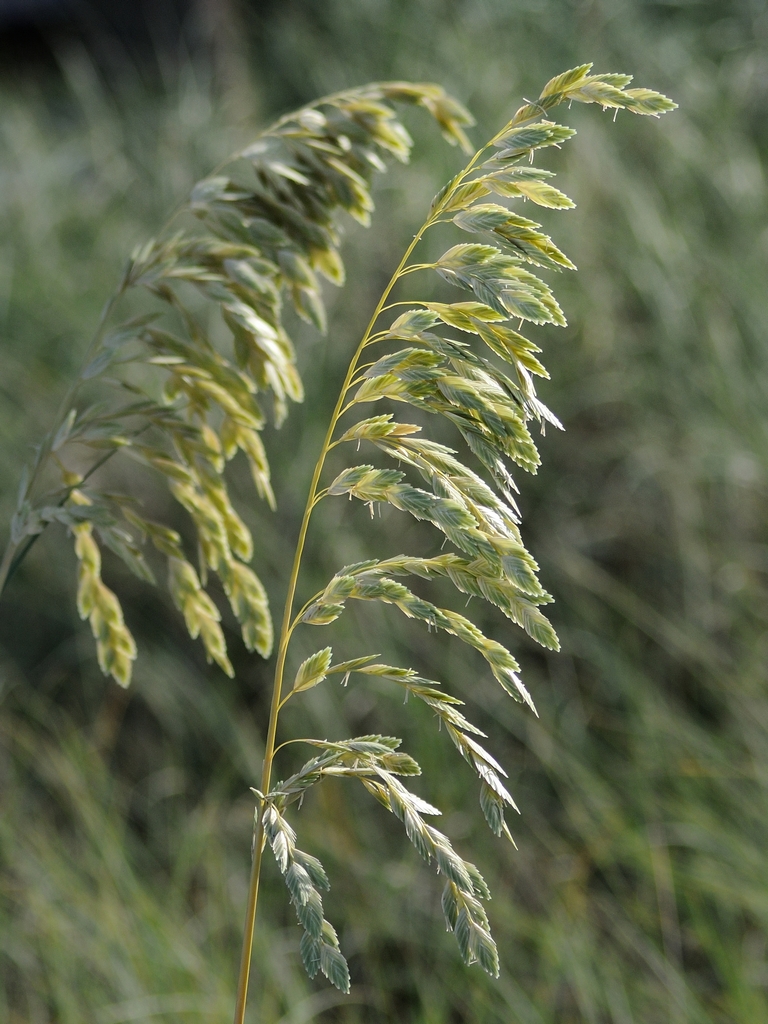
I had a chance to walk to the park today. A little later than usual. Not much activity but I found another nice curve picture in the Sea Oats. I had been looking out over the harbor and when I turned around saw these two stalks nicely backlit.
DSC_9745acr107

Posted in Park - Ponce de Leon, Photography, Wordpress Photo Challenge | Tagged , , , | 1 Comment

Weekly Photo Challenge: Curves

This is hardly a challenge. I am a nature photographer and curves are the natural state of almost every form from a damselfly’s wing to a tree arching over a slow moving stream. Here you are, have a dozen

CHNEP-DSC_7529acr107 DSC_0963cr107

DSC_1411acr107 DSC_4661acr107

DSC_6299aF3C DSC_6520flipcr107

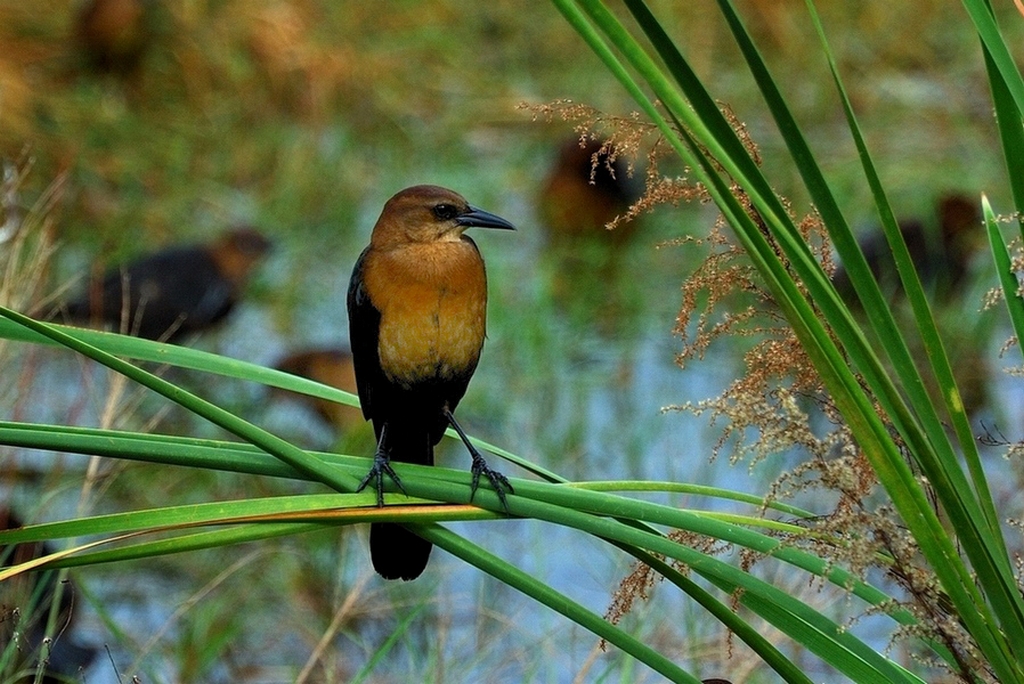
DSC_9209acr107 GRACKLE Boat-tailed-Quiscalus major-I-3314acr107

NS_1422-Fisheat2cr107 RAMBURS FORKTAILl Brian Grant

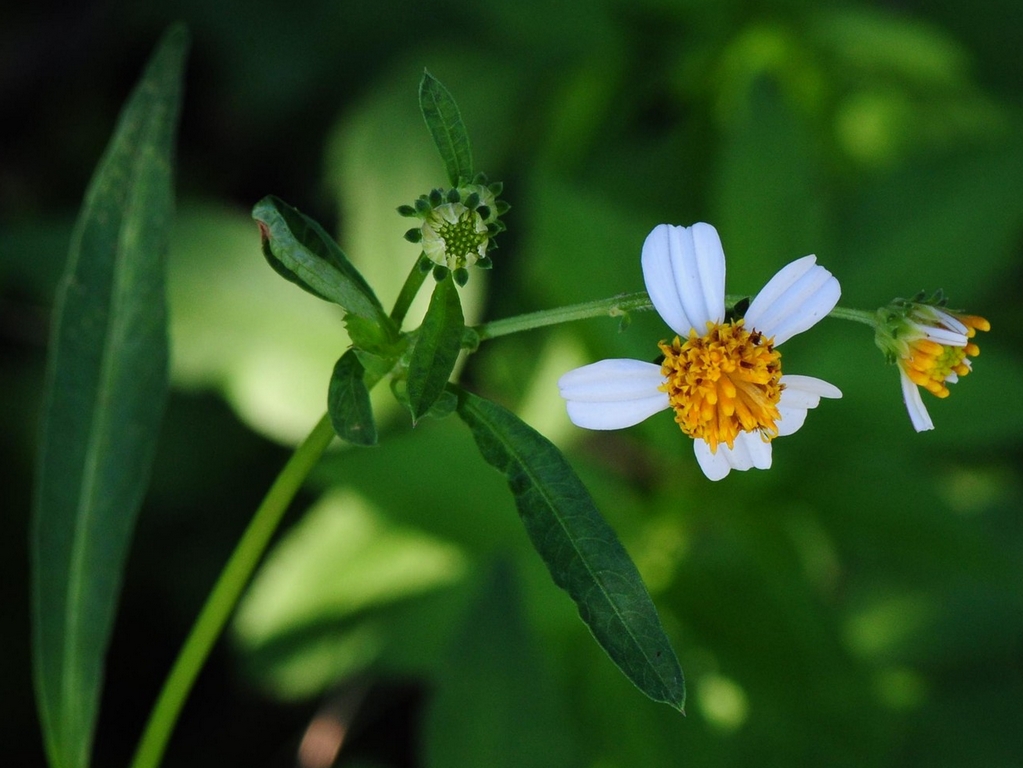
SpanishNeedles _DSC7382acr107

Posted in Bird, Bug, Wordpress Photo Challenge | Tagged | 3 Comments

Nikon V1 with the Nikkor 55-200mm VR kit lens

The Nikkor 55-200mm VR is a common kit zoom for the DSLR range. I tried one on my Nikon V1 using the FT-1 adapter. I had previously tried other AF-S lenses but felt that they were cumbersome and the requirement to use single frame focus rather than continuous didn’t work with the way I shoot. A recent firmware upgrade for the FT-1 now allows continuous focus so this made for a more interesting experiment.

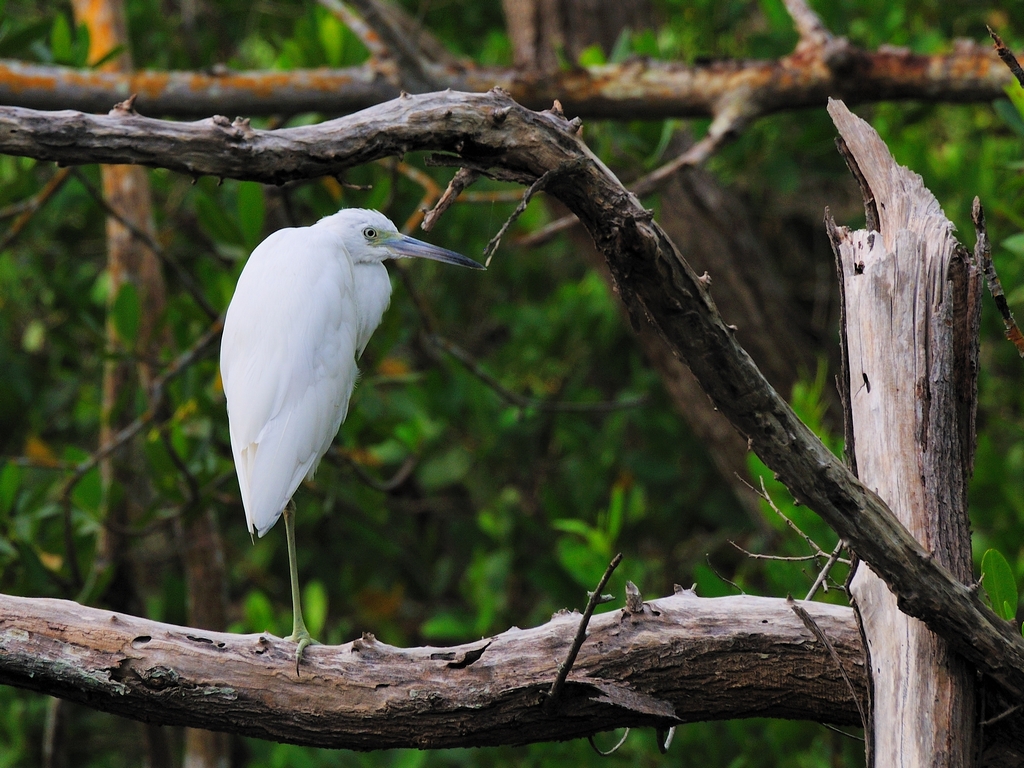
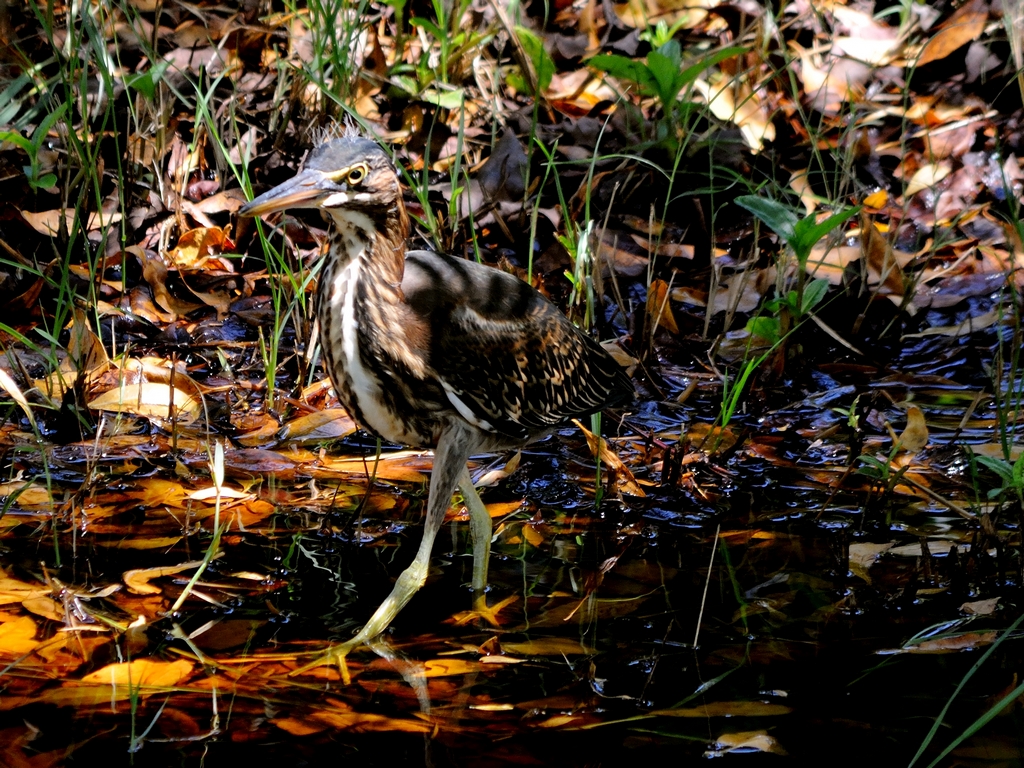
I took the camera and lens to the Punta Gorda History Park which is a good place to shoot birds and bugs. It was a bit hot for birds but I did manage to spot this immature Green Heron in the shadows under the trees. I was surprised to see it there because this isn’t a pond, it’s just a mud puddle left over after recent rain. It’s clear that his dappled plumage fits into the woodland setting.
DSC_9696acr107

There were plenty of dragonflies around. The 55-200mm isn’t a macro lens but, it does have a minimum focus distance of just over a yard. I took this shot of a dragonfly and found it to be acceptable but, not in the same class as the Leitz ELPROs I normally use for bugs. The first image here is the full frame and the second a crop of the same image.

DSC_9707ar107 DSC_9707acr107
Finally, while shooting the dragonfly, I noticed a monarch butterfly feeding on the same bush.

DSC_9691cr107
In shooting the closeups, I found that the camera had a tendency to miss focus on the subject. I tried manual focus to get to the basic focus on a near object and the AF would then work normally. I suspect that it was just finding a reasonable focus point on the background and settling for that instead of what I wanted.

Ergonomically, this works a lot better than the 70-300mm or 70-200mm VR. Both of those are large lenses and I have some concern with the CX lens mount with that much weight on it. The 55-200mm is a bit large but, it is light and easy to handle.

Posted in Bird, Bug, Camera Gear, Shooting closeups | Tagged , , , , , , | Leave a comment

Thomisadae – Crab Spiders

The comment on the post below, from Chatou11, reminded of how much I enjoy finding and watching the Thomisadae which are one of the spider species commonly referred to as Crab Spiders or Flower Crab Spiders because of their hunting habits. The ones I find are ambush predators. They hide away with a drag line spun behind them and wait for prey to come to them. A drag line is just a single bit of silk which is attached to their hideaway in case they miss their attack. Sometimes I find them by shaking a branch and seeing if there is anything that falls out and climbs back quickly.

I don’t know all the species and it is confusing sometimes because they can take on the color of their hideout over a few days. Here are a few shots where I have found them in action.
_DSC9949cr107 Southern Skipperling - Copaeodes minimus_3344a_cr107

I didn’t realize I had this one. I was trying to get a shot of this tiny moth and it wasn’t until I was home and post processing when I realized that it had already been attacked by a small spider that was riding along on it’s left wing. This is the same shot with a very tight crop to show the spider in the second image.
DSC_9307cr107 DSC_9307tight
One of the other species which is called a crab spider is the crab-like Orb Weaver – Gasteracantha cancriformis it actually looks more like a crab with it’s hard shell.
DSC_6285ac107r107

Posted in animal behavior, Bug, Spider | Tagged , , , , , , | 1 Comment