Peace River or Peas River?

An interesting cross cultural homonym (well, almost).

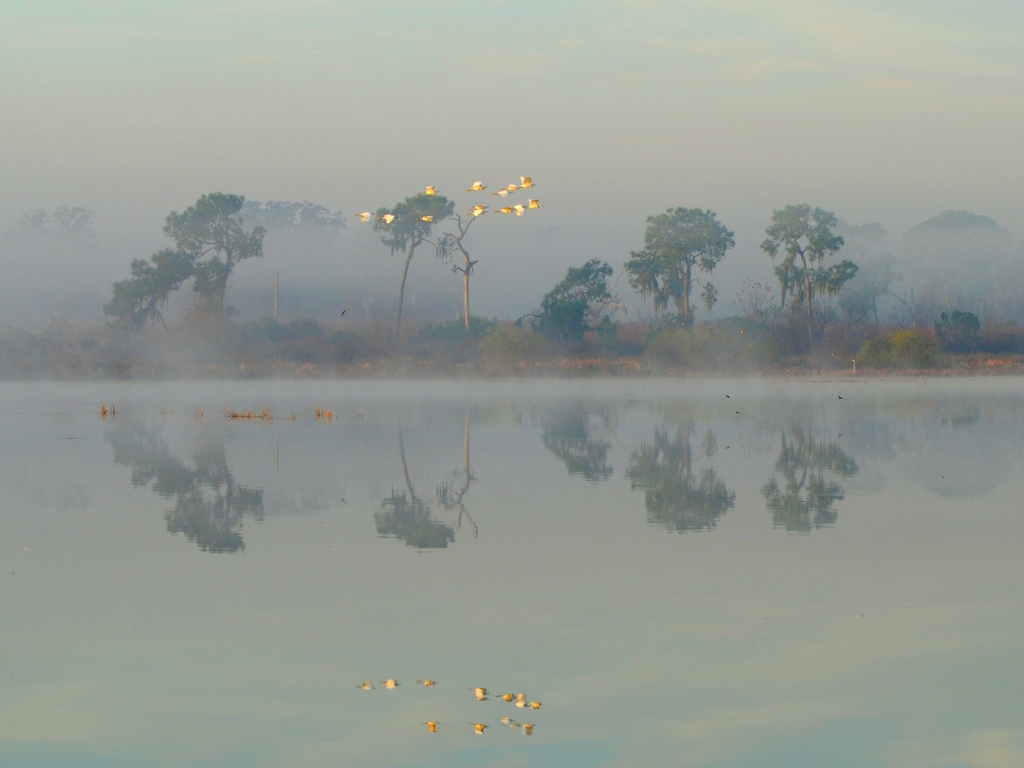
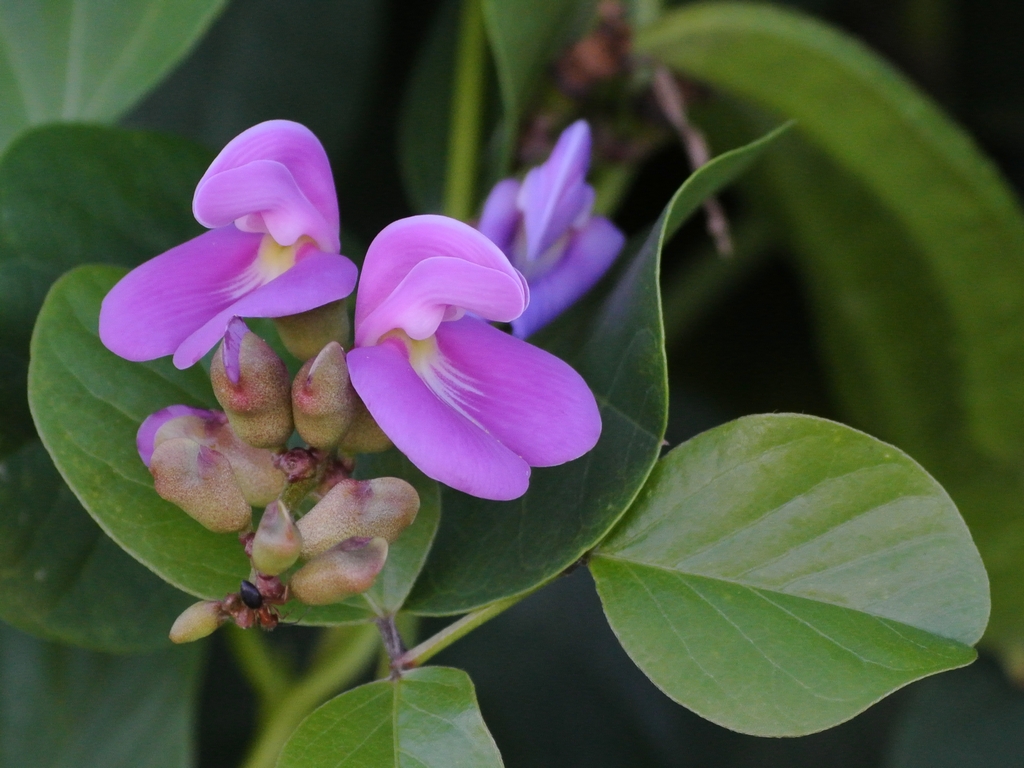
Punta Gorda lies on the shores of the Peace River.  That is the English translation of Rio de la Paz as the Spanish named it.  The indians had a name for it too.  Talakchopcohatchee which means river of the long peas. Peas or Peace, sound almost alike with different meanings.  This is an early morning shot near the source.

DSC_9024cr107

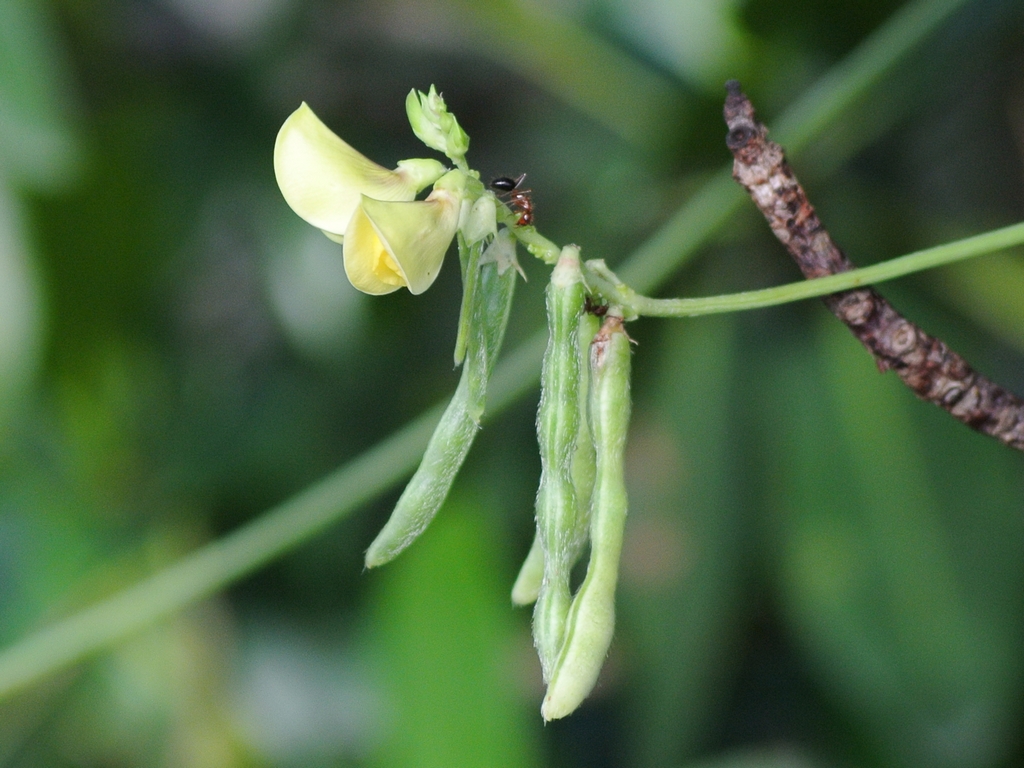
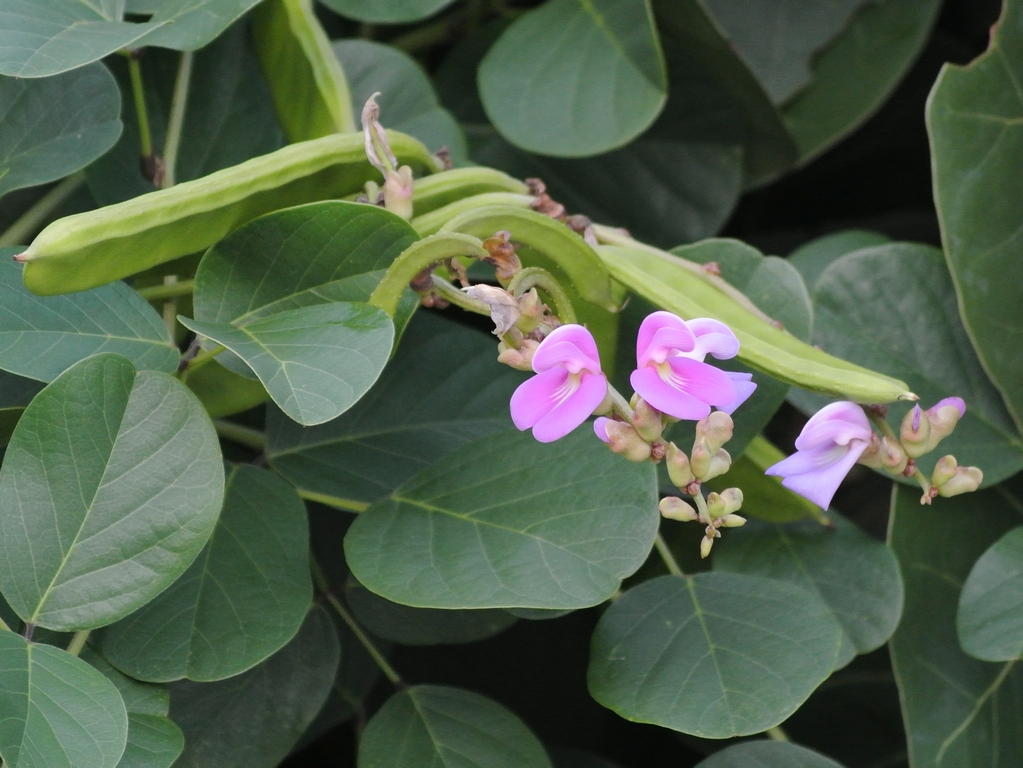
There are an abundance of pea-like plants growing on the shores.  Here are a few of them.

DSC_2644cr107DSC_2635cr107

DSC_2551cr107 _DSC5841cr107

Posted in Flower | Tagged , | Leave a comment

Close encounter with a Yellow-crowned Night Heron

I started to walk out onto the boardwalk in Ponce de Leon park the other day.  Just as I stepped on it I saw a Yellow-crowned Night Heron on the railing looking intently into the mangroves.  I stopped and got an insurance shot in that position.

DSC_2574cr107

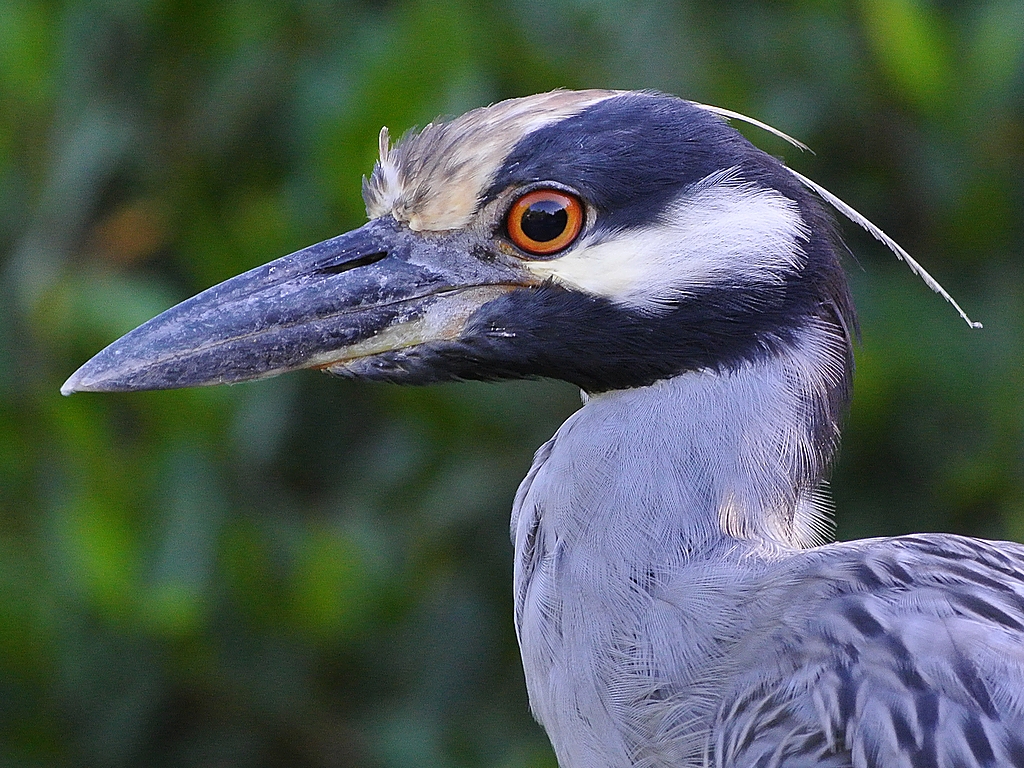
While he was obviously keeping an eye on me, he kept looking to the mangroves.  I eased a bit closer to see what he was watching but couldn’t see anything.  He stayed still though, unwilling to give up his perch and I was able to get a good closeup.

DSC_2577cr107

In a minute or so I discovered his purpose.  He launched himself across the canal into the mangroves.DSC_2584acr107

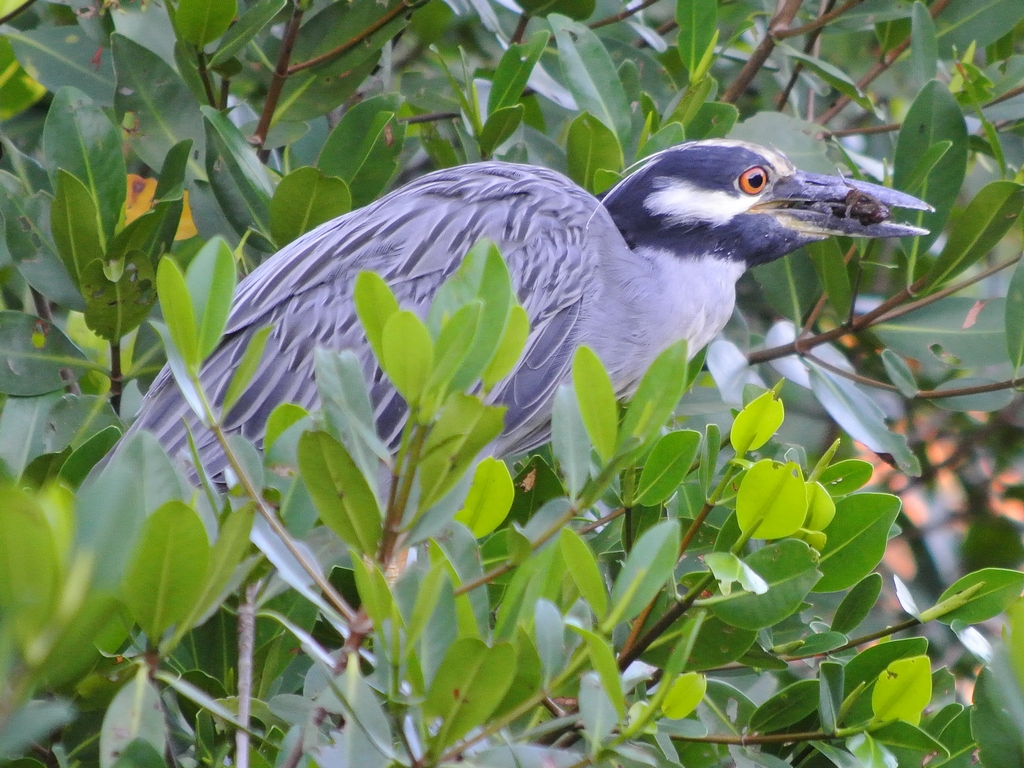
He thrashed around in the branches for a few seconds and then turned to show me what he had caught for breakfast, a nice sized mangrove crab.  Then he turned away and began to crush it in his beak.

DSC_2588cr107

These birds have a crop, like a chicken and other birds, the crushed crab goes into the crop where digestion begins.  The meaty parts of the crab and the shell grind together.  The meat and offal passes into the stomach and from time to time, the bird expels the shell through it’s beak.  You can often find the bits of crab in the area.  Where the insects pick them clean.

DSC_2699cr107

Posted in animal behavior, Bird, Park - Ponce de Leon | Tagged , , , , , , | 1 Comment

Dragonflies and a foot with the V1 and 55-200mm combination

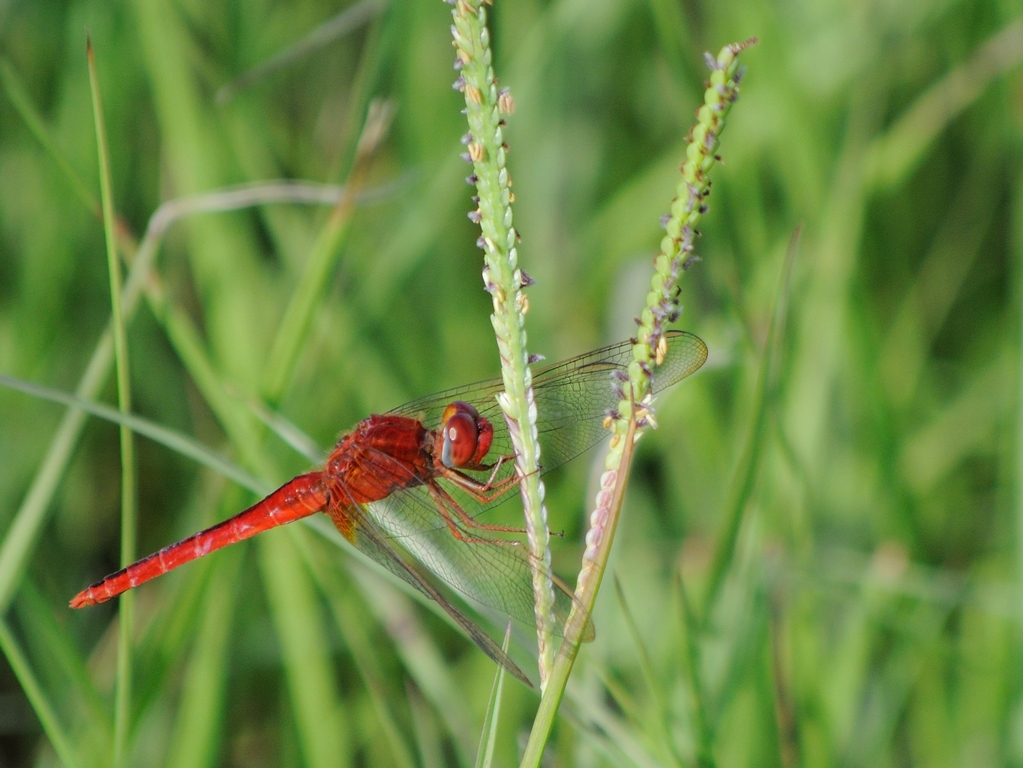
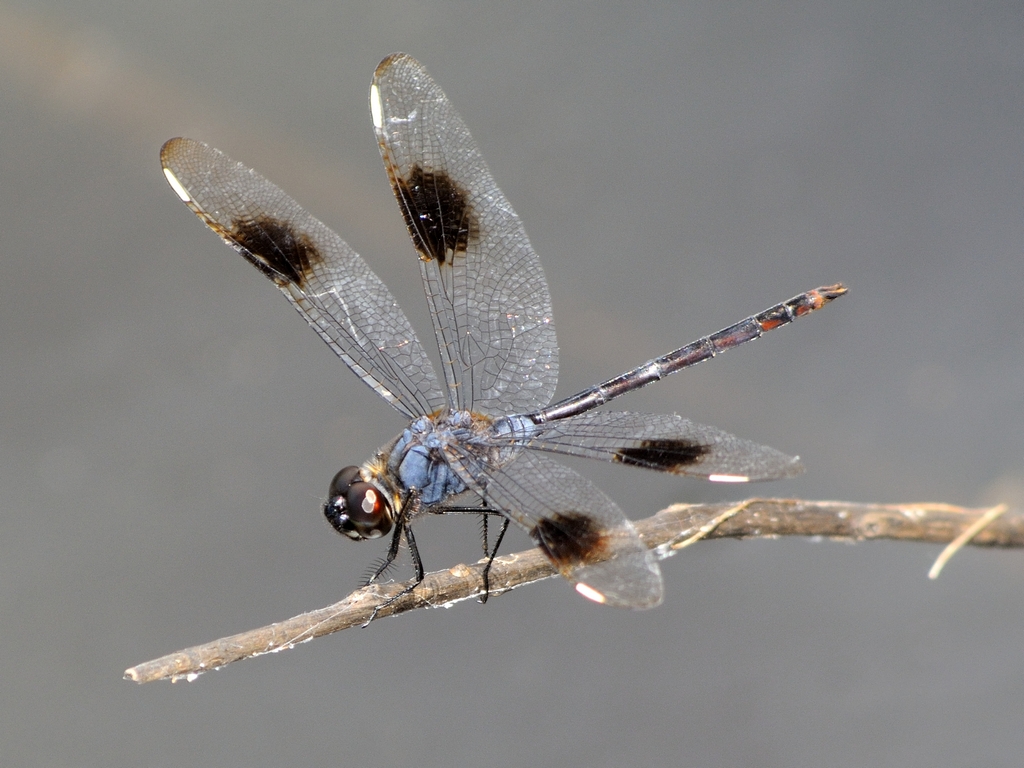
This is still one of my favorite shooting combinations for my morning walk.  I generally put the V1 with the FT-1 and Nikkor 55-200mm over my shoulder and carry the SB-N7 flash and a Raynox 150 achromat close-up lens in a small fanny pack.  I don’t always need the closeup equipment because of the native capabilities of the 55-200mm.  Here are two dragonflies taken without the closeup gear.  The red one is a Roseate Skimmer – Orthemis ferruginea

DSC_0546acr107

and this second one is a Four-spotted Pennant – Brachymesia gravida

DSC_0578acr107

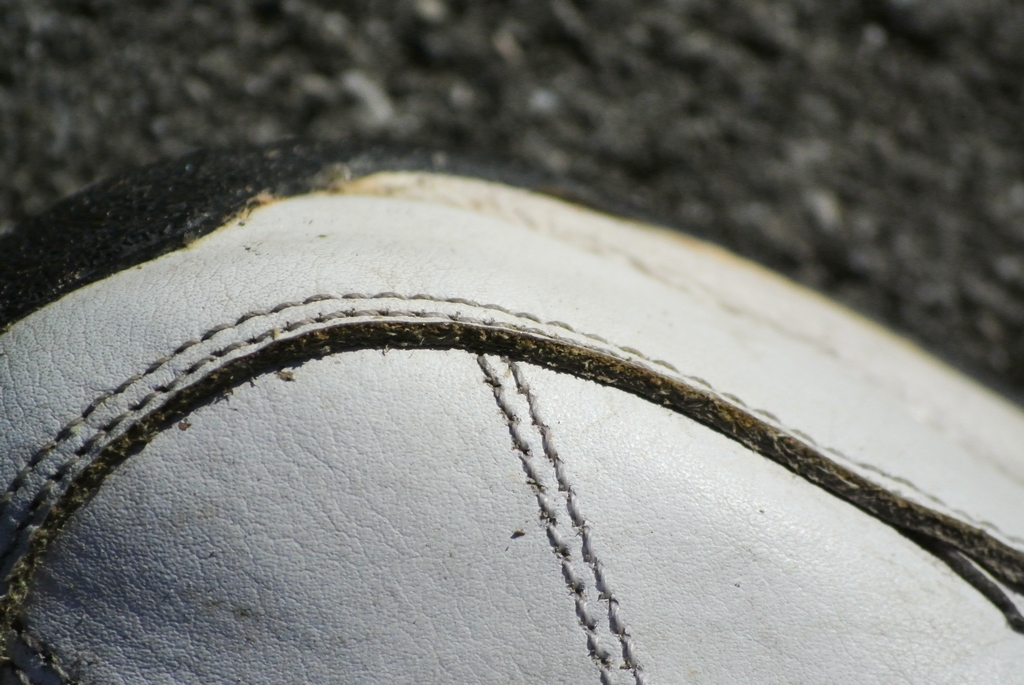
The Nikkor 55-200mm VR allows me to pretty much fill the frame with the dragonfly and include a little bit of the environment.  The lens offers a decent minimum focus distance of 1.1 meters (3.6 feet).  This means that I can stand and take a picture of the ground or anything on it.  To show you what that means in terms of Field of View, I actually did just that.

Here are two incredibly uninteresting pictures of the toe of my US Size 10.5 shoe that I took just to show the FOV of the lens at 55 and 200mm respectively.

DSC_2593r107   DSC_2594r107

If anyone is really interested, they can click on any of the images above for a larger view.  I would recommend doing so with the dragonflies.  The shoes, not so much.


Posted in Bug, Camera Gear, Photography, Shooting closeups | Tagged , , , , , , , , | Leave a comment

Magnolia and bedraggled bees

The Magnolias are in seed now.  Just one of the signs of a change of season in Florida.  In the summer we had the magnificent white blossoms which attracted so many bees.  Now, those blossoms have become seed pods.  The started as green but gradually turn to  a red as the seeds mature.  They will change from feeding the bees to feeding the birds as the seeds are eaten and spread.   Here is what they looked like with the bees.

DSC_6278acr107

Here is a before and after image once the bees were through with them.

DSC_5909cr107    DSC_2322acr107

At the bottom left you can see the mature pod and at the top right a fully ripened one open to feed the birds.

We get a lot of rain now too.  This causes the bees a few problems.  It doesn’t take much water to weigh them down so they just land and hang on until the rain ends.  If you are out between storms, you will find them trying to crawl into the sunlight to dry off.

DSC_0662acr107     DSC_8504cr107

DSC_0664acr107

It certainly makes it easy to get pictures.

Posted in animal behavior, Bug, Flower | Tagged , , , | Leave a comment

So, I added an avatar

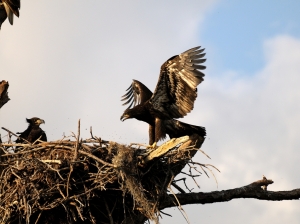
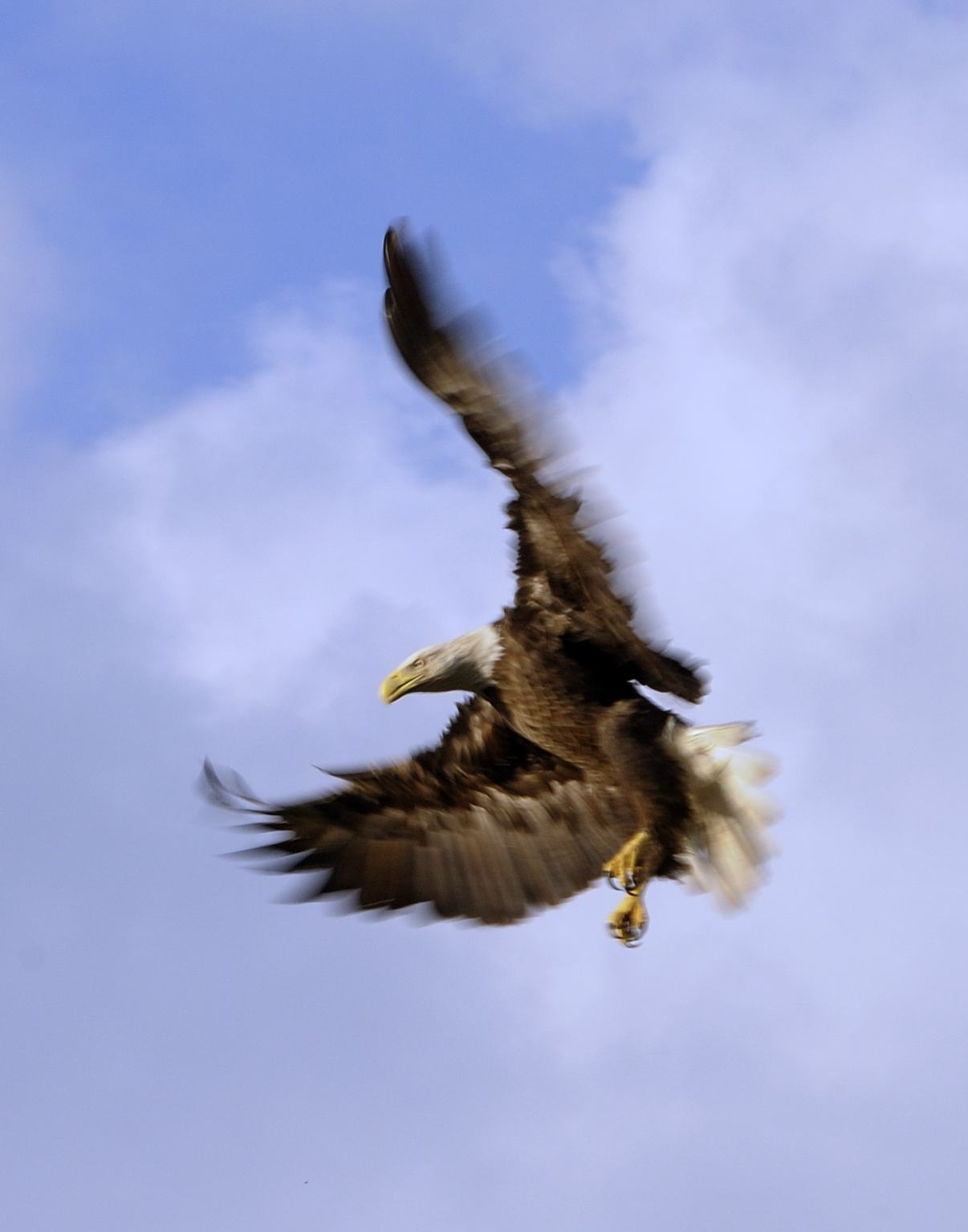
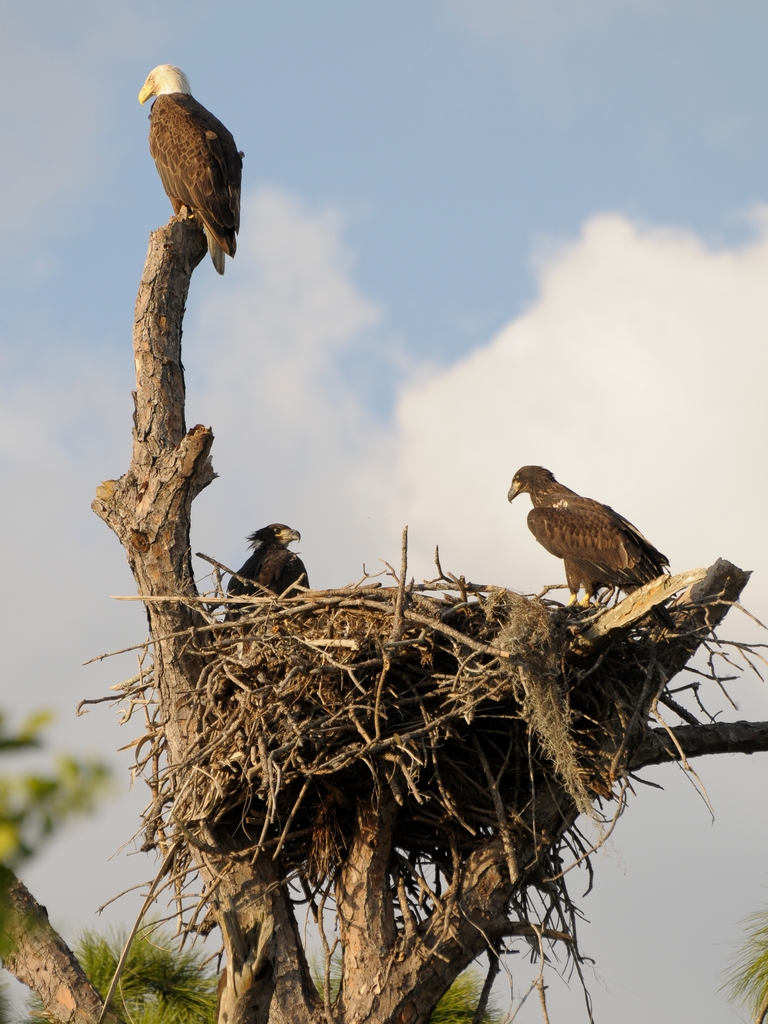
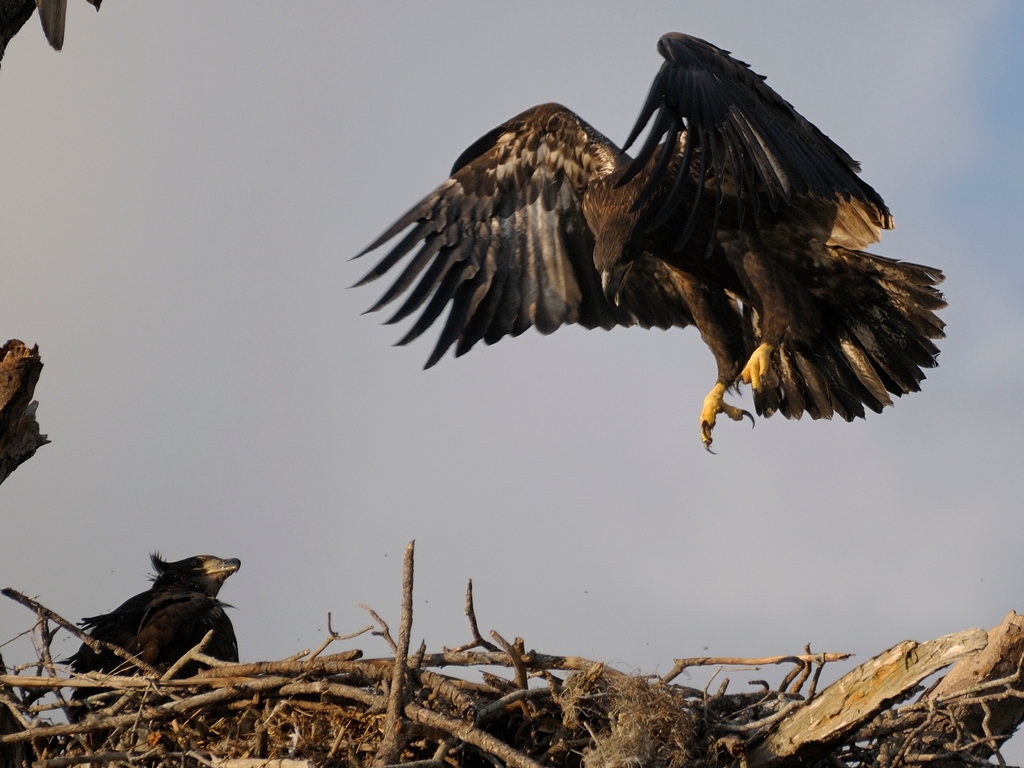
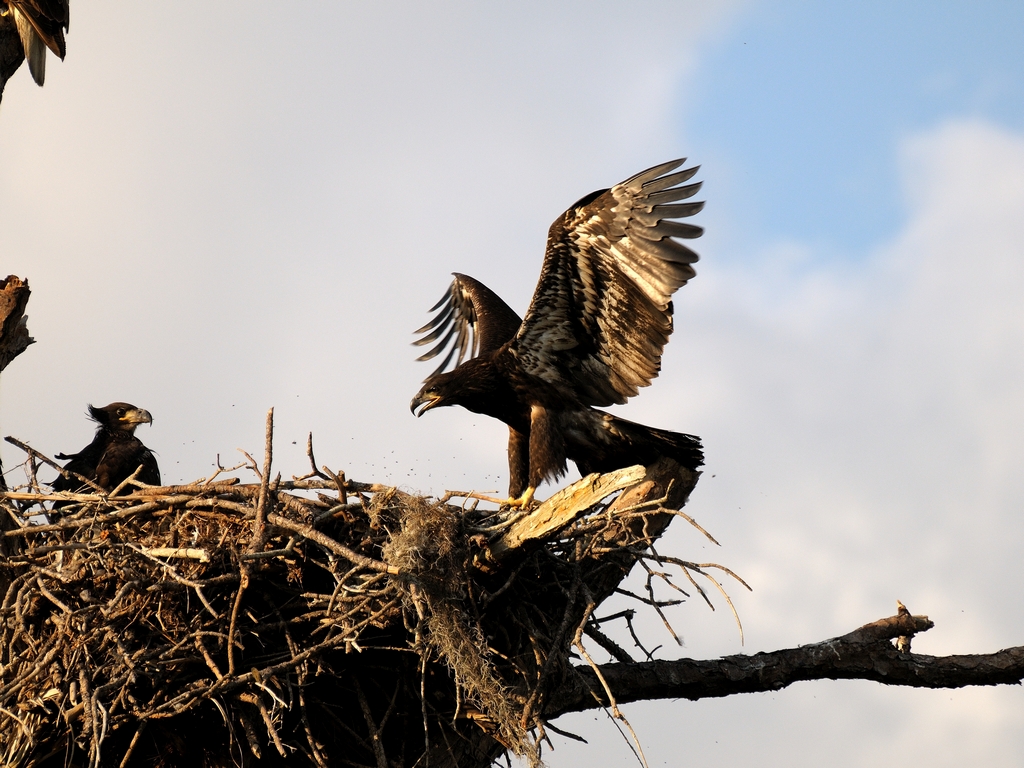
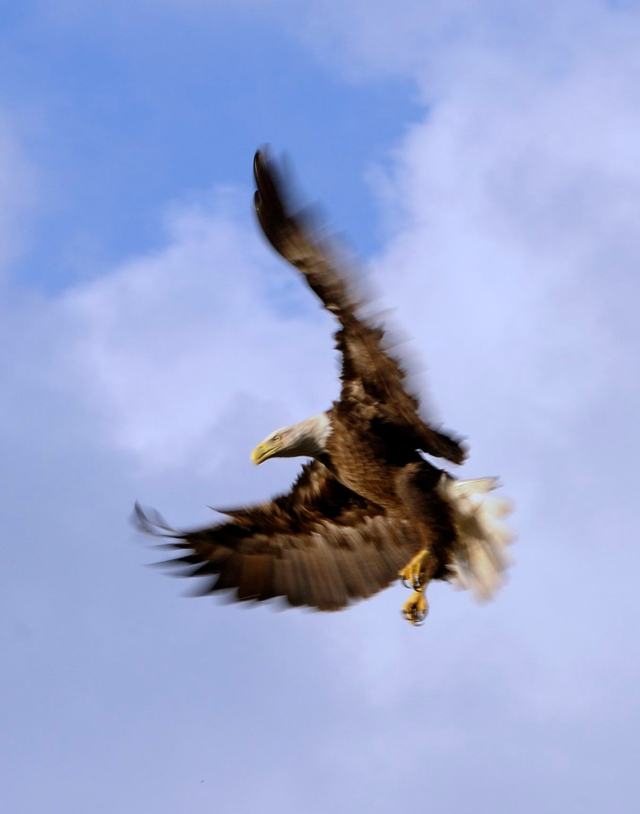
and didn’t realize at the time that if was from a picture from a post in 2007 in regard to our local eagles.  That was in regard to their first nest.  It was destroyed in a windstorm and they moved to another nest.  It sure was a great place to take pictures though.  One of my favorites is this accidental blur.  I had just arrived and was setting up when I saw one of the parents preparing to land on the nest.  No chance to check setting, I just flipped the camera up and started shooting.  Ooops, the shutter speed was too slow to stop the action but, the blur showed the action better than a more static image would.
_DSC2525w_cr

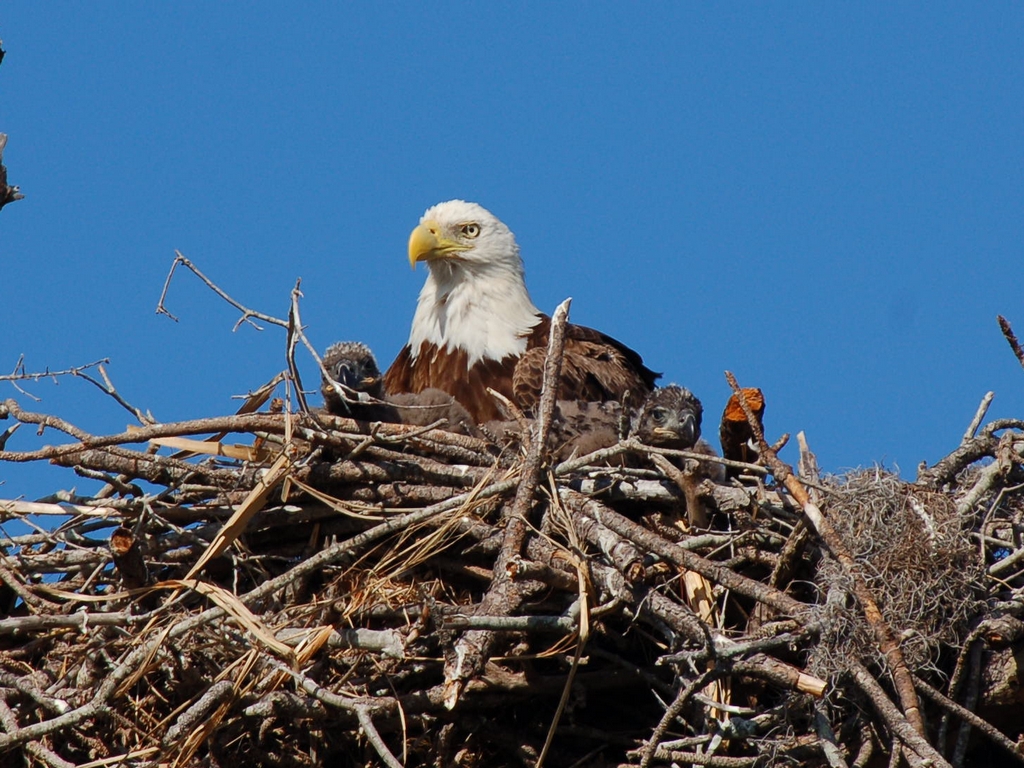
They raised two babies there.  I called one Shy and one Bold.  My avatar is of Bold when first trying his wings.  But, I did get earlier shots when they were newborns.
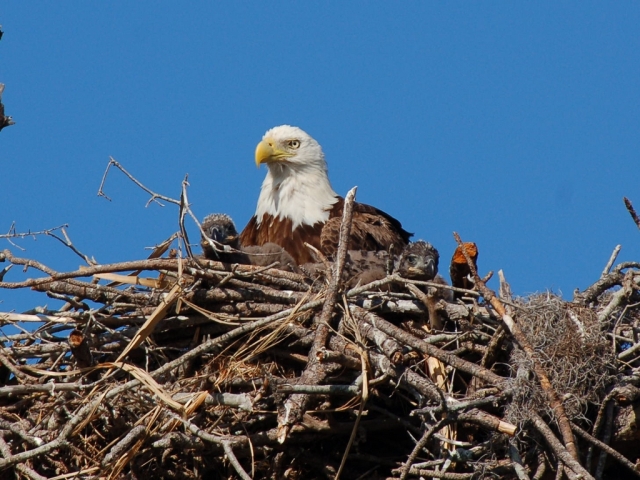
DSC_6903cr107

The picture below shows the upright where one of the parents was almost always occupying and the babies are almost developed enough to begin attempting flight. _DSC2565cr107 My avatar came from the picture on the right.  It’s the required square crop of Bold.  Bold was making ‘flights’ of about 2 feet straight up at the time.  I managed to catch him just as he was landing.  Shy seldom moved from the side of the nest closest to the parent.  Shy always just huddled in the nest and looked quite indignant at the idea.
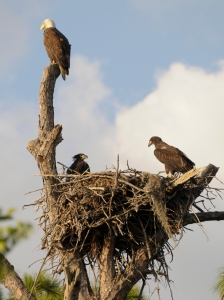
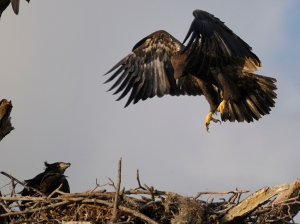
_DSC2560acr107 _DSC2552acr107

Bold later became the first to leave the nest and fly to nearby trees.  By the time I took this one he was beginning to hunt on his own.
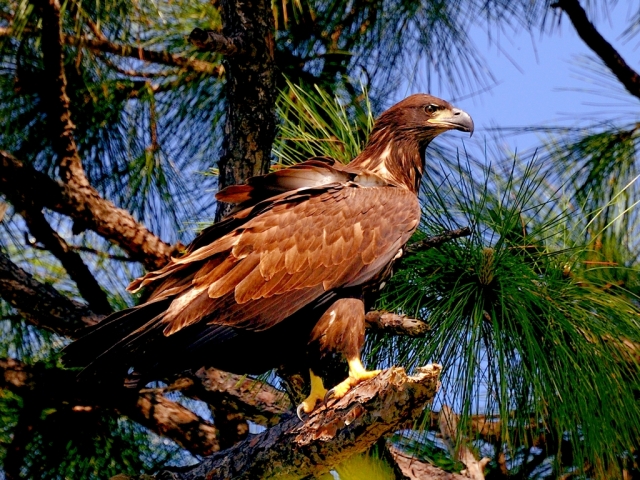
DSC4382a_cr107

With luck, they should be coming back in the next month or so.  For the last year, they did a bit of playing house at the nest in the History Park but haven’t bred.  Once they gave up, Great Horned Owls moved in.
Posted in animal behavior, Bird | Tagged , | 2 Comments

A couple more unknowns

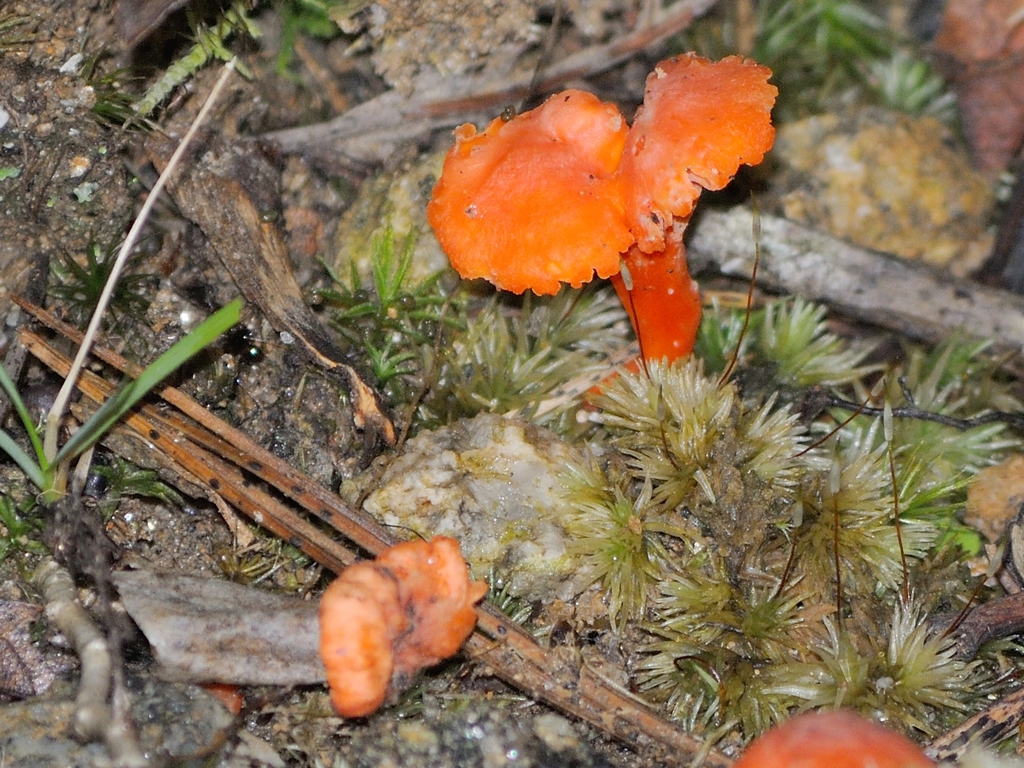
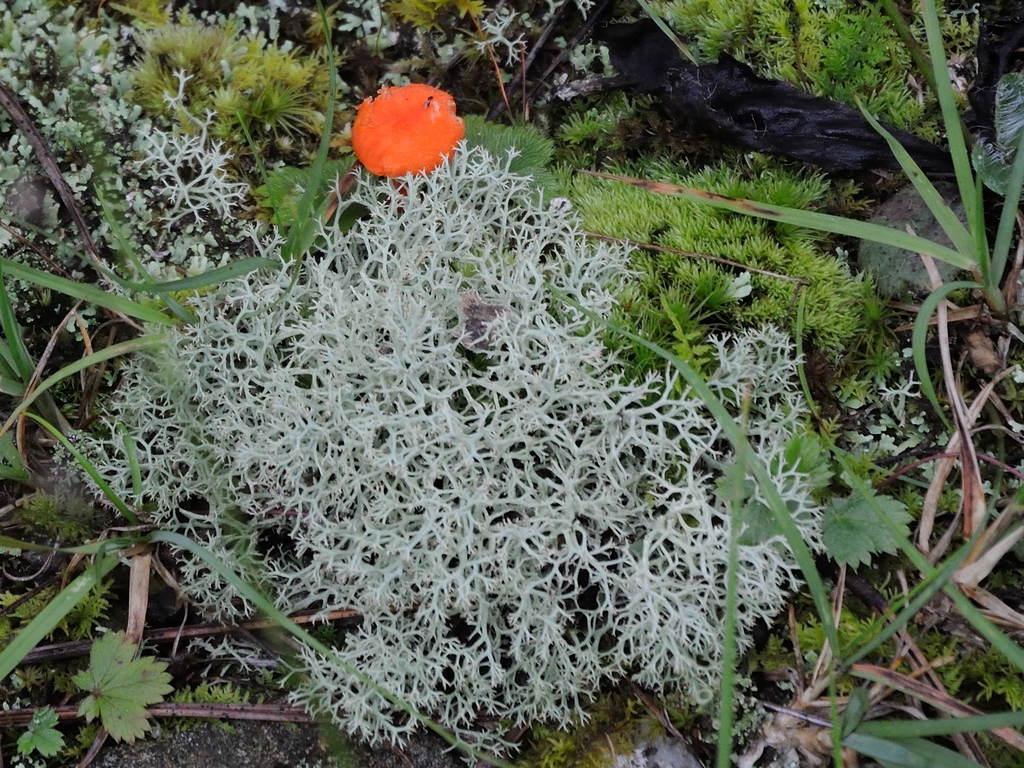
We’ve just spent some time in the north Georgia mountains near the North Carolina border. The weather wasn’t fully cooperative but I did find some interesting things on my walks. I noticed some specks of red in the moss and vegetation along the road. Looking closer, I found these small red mushrooms. The biggest was only about 20mm across.
DSC_1336acr107

DSC_1246acr107

I also found some lichens which also were showing some red color. I think this is one called British Soldier from the color. To give you an idea of the size, the nail there is a large landscape nail but, even though it is large as a nail goes, the head is still only about 10mm across.
DSC_1556cr107
DSC_1561cr107

Posted in Fungus | Tagged , , , , , , , | 1 Comment

A small morning fungus

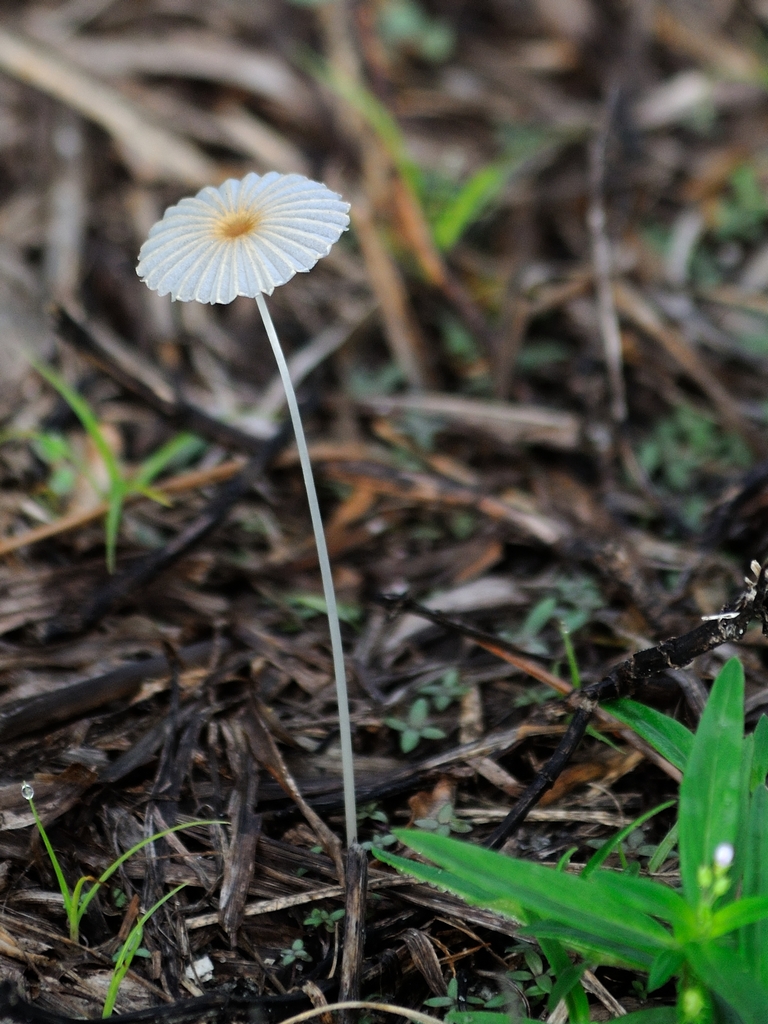
I haven’t identified this small fungus yet. If anyone can tell me what it is, I would appreciate it.

EDIT – I found out from fungaljungal.org that this appears to be the mushroom formerly known as Coprinus plicata.

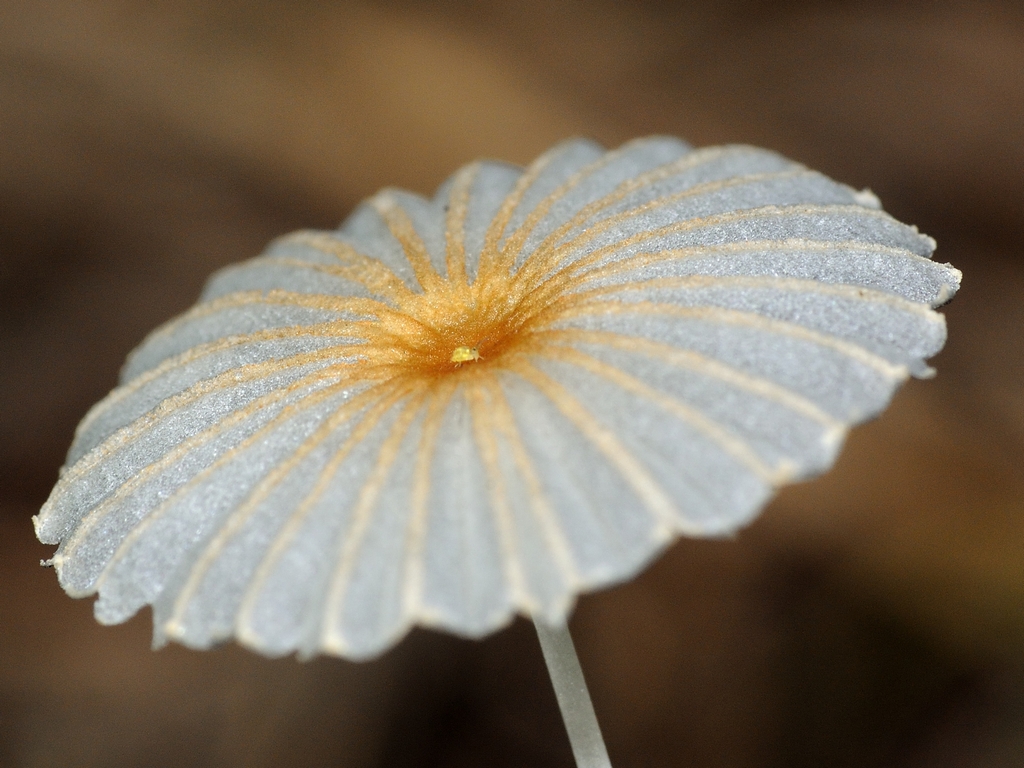
I see it early in the morning lifted on a delicate stalk and unfurled like a parasol in a tropical drink. It appears to be generally grey until you get closer and see that it does actually have a fine coloration. They normally only stand about two to three inches high and the disc is always less than an inch. There is a small, golden/bronze area in the center that radiates out to the edges.
DSC_0857acr107
In this, second view the coloration is easier to see along with a small insect which is only about 1mm in length.
DSC_0861acr107
These quickly turn darker and die in the heat of the day. I only see them in this sort of condition early in the morning or more cloud covered days.

Posted in Bug, Fungus | Tagged , , , , | 1 Comment

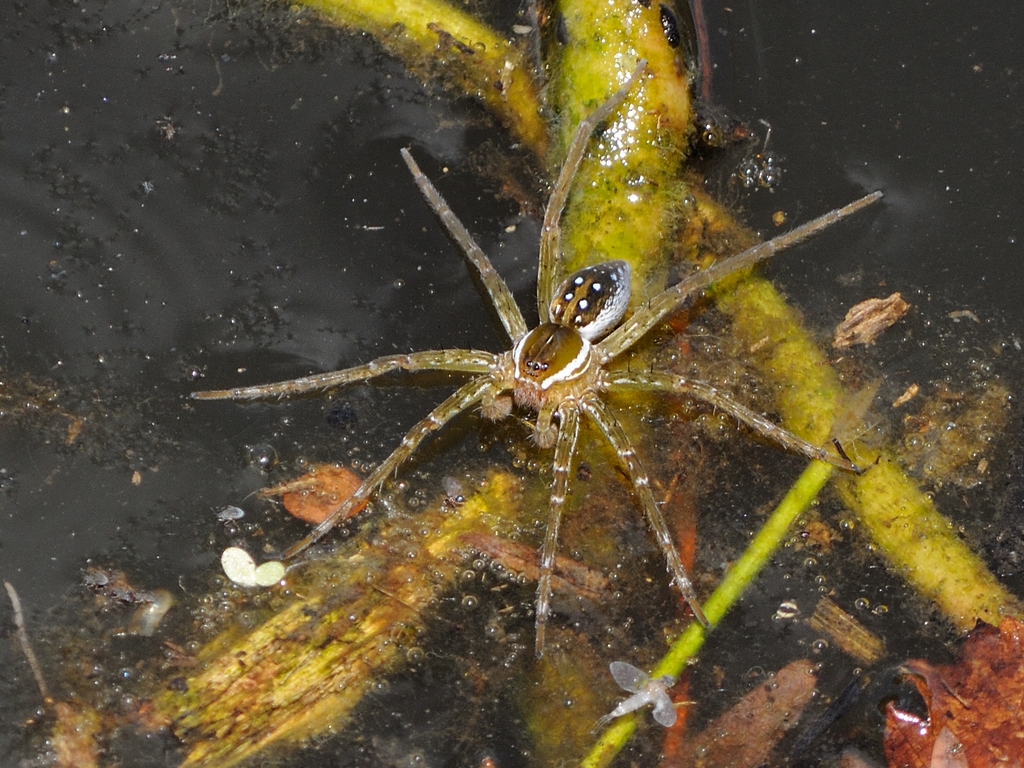
Six-spotted Fishing Spider – Dolomedes triton

Just a quick post. I found this nice specimen of a fishing spider at Audubon-Pennington park in Port Charlotte.
DSC_0764acr107
Apparently this species goes through a brown phase and a black and grey phase. I’ll keep an eye out for the other phase.

Posted in Park, Spider | Tagged , , , | 3 Comments

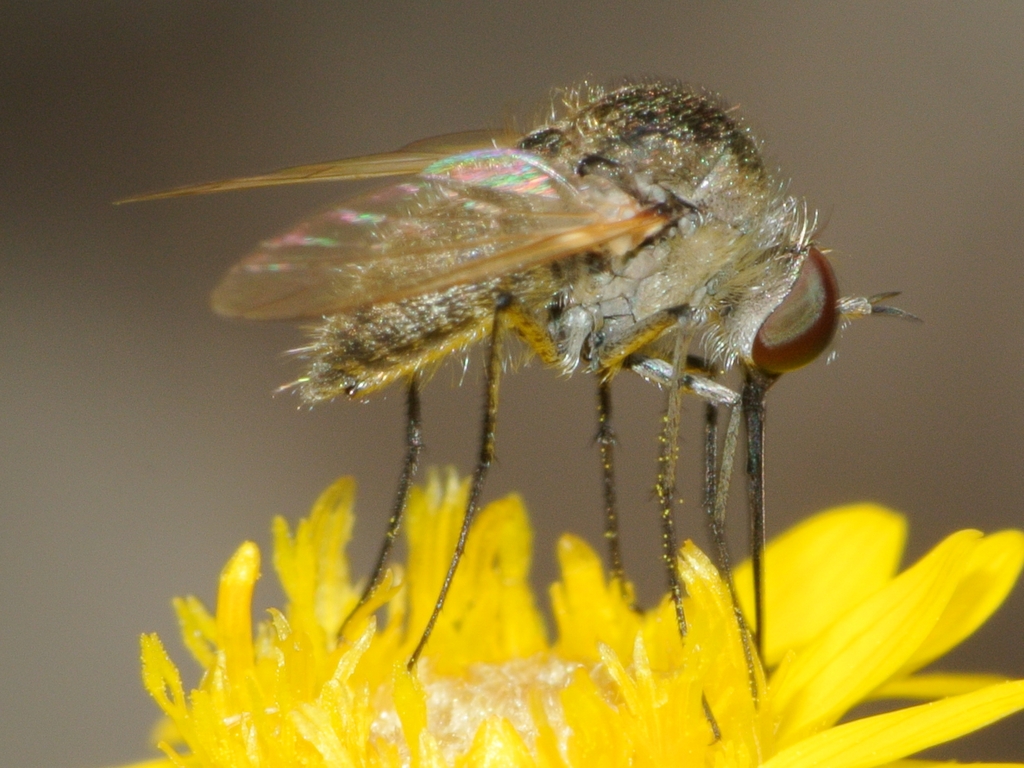
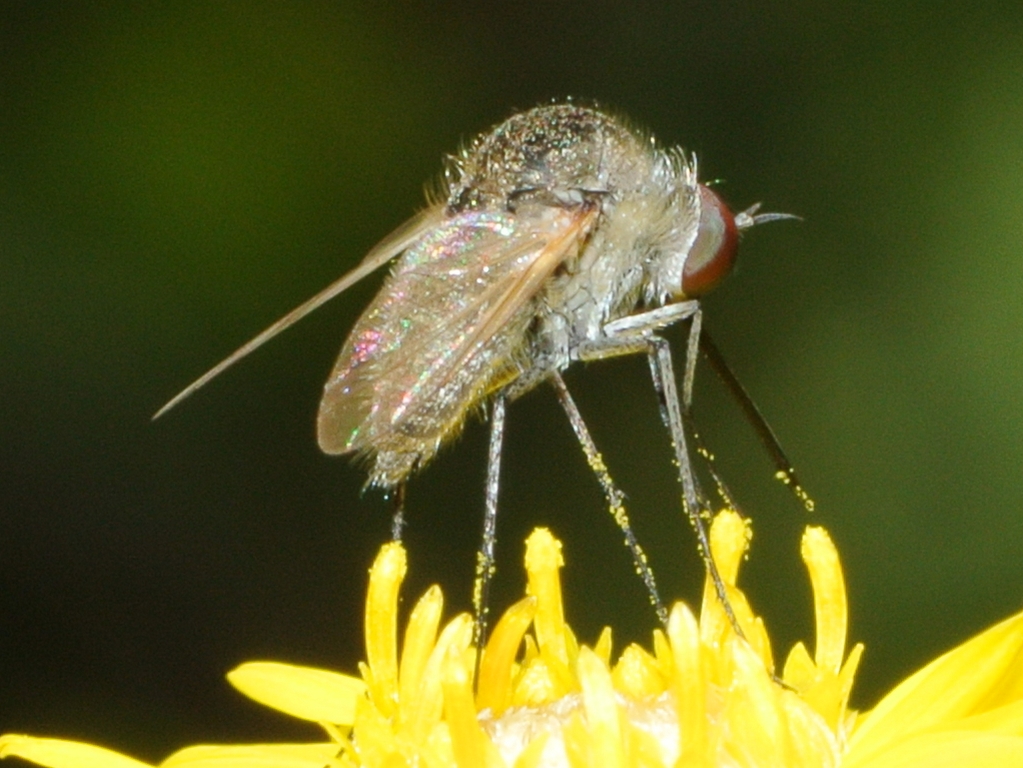
A Tiny Bee Fly – Bombyliidae

I happened to be making a run to the recycling center yesterday and took the opportunity to stop by the Audubon-Pennington Nature Park in Port Charlotte FL. Since it was midday I didn’t expect to see many birds but the path along the canal had a wealth of active insect life.
DSC_0584cr107

One of them was this Bee Fly who seemed so interested in the flowers that I was ignored as I followed it around. This allowed me to get really close.
DSC_0610CR107 DSC_0605CR107

DSC_0597cr107 DSC_0596CR107

Its proboscis is completely rigid making it look more like a mosquito than a bee but, it is a pollinator for these small flowers. As usual, just click on a picture for a larger view.

Posted in Bug, Park | Tagged , , , , , , | 2 Comments

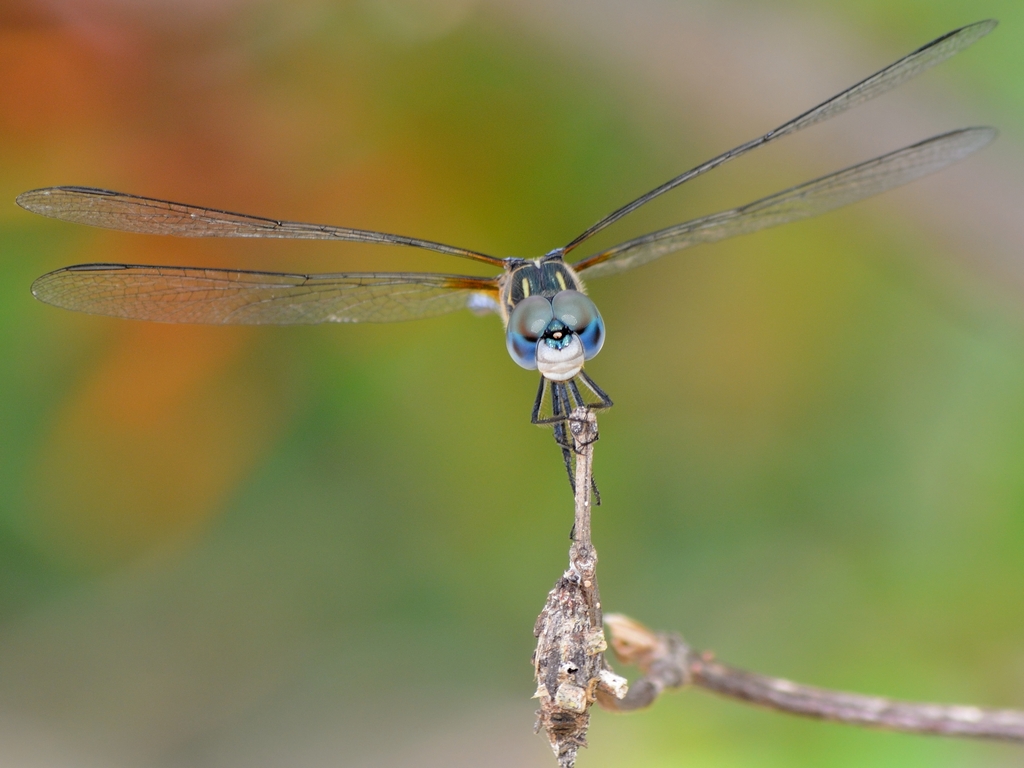
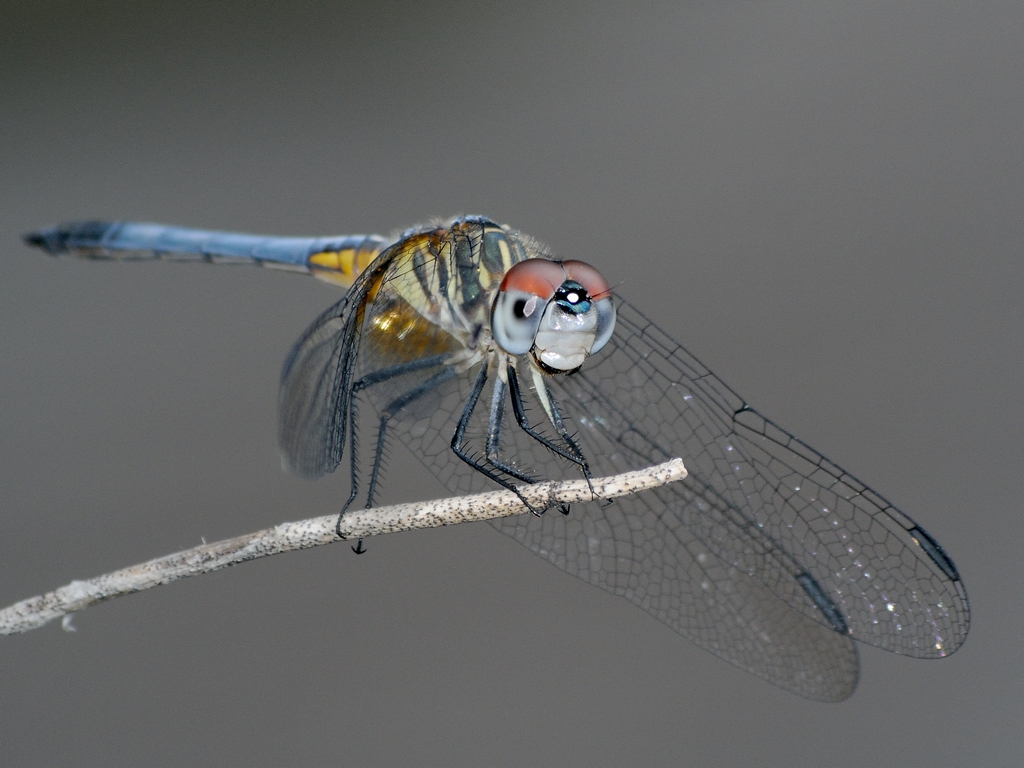
Blue Dasher – Pachydiplax longipennis

The Blue Dasher is a very common skimmer dragonfly. It’s found almost everywhere in the US. I ran across this male today in the county Extension Garden on Florida Avenue. He seemed quite happy to pose so I took advantage of the opportunity to get very close.

DSC_0403acr107 DSC_0407acr107

DSC_0426acr107 DSC_0432acr107
As usual, just click the image for a larger view.

Posted in Bug | Tagged , , , , , , , | 1 Comment