Punta Gordas Urban Eagles – 2010 update

Back in 2007, a nice pair of young bald eagles moved into town.  Since then, they managed to raise a pair of young, lost a nest with two eggs and last year the only baby died before flying.

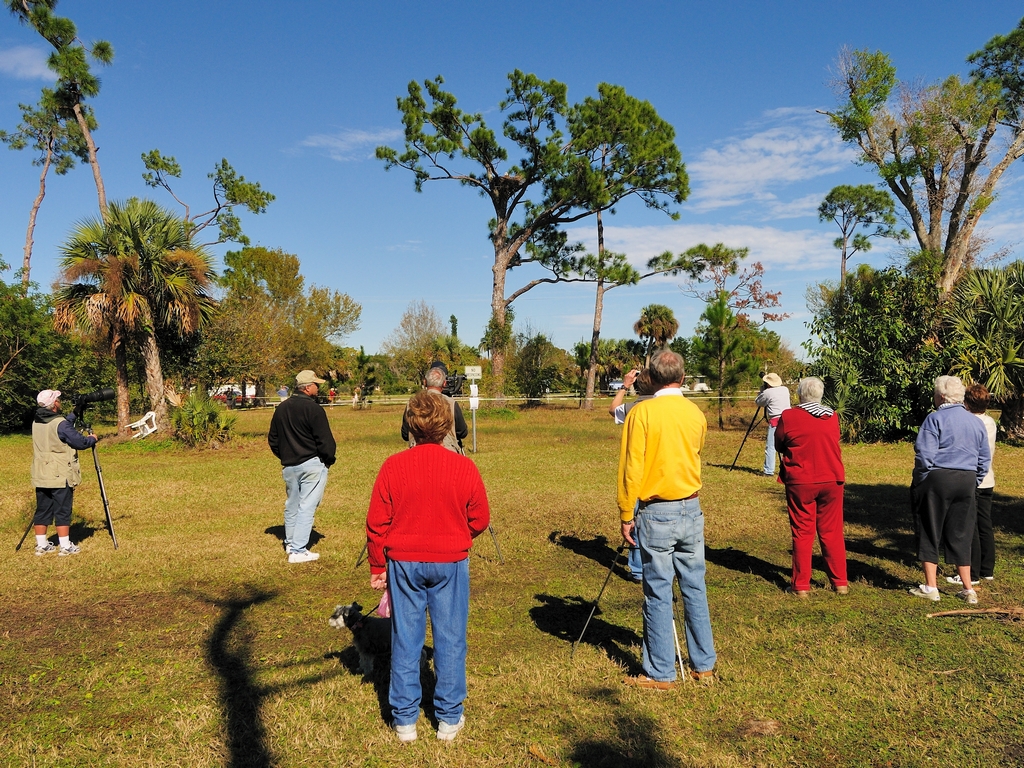
This year, they returned, expanded their nest and mated.  Unfortunately, if any eggs were laid, they do not appear to have been viable.  The female never went broody and stayed on the nest and there were no young.  Last year, the Punta Gorda Historical Society held a photo contest as a fundraiser because there were so many photographers about.

With the lack of a consistent presence at the nest, the crowds have been a lot less this year.  We have had reports of a juvenile eagle around the nest and another pair so, there are clearly more eagles around the area.  If the original pair of babies survived, they should be coming up to breeding age next year.

We’ll just have to keep our eyes out.

Posted in Bird | Tagged , , , | 2 Comments

Eastern Brown Pelicans – Pelicanus occidentalis carolinensis

While the Eastern Brown Pelican is still considered threatened in some states, it is doing just fine in Florida.  I see them everywhere around Charlotte Harbor although favorite places are Ponce de Leon Park, Placida, Fisherman’s Village and just about anywhere there is a piling to sit on.

 
This guy on the left seems a bit of a scofflaw and with the downcast head and crossed toes seems a little ashamed of himself.

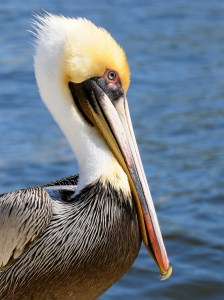
The one on the right is all dressed up in mating plumage looking for a date.

 These are large birds.  Their non-breeding colors are a more muted brown and grey with pale undersides.  They can weigh about 8 pounds and are about 4 feet long with a wingspan up to 7 feet.

I often see them in flight along the PGI entrance canal.  They have a roosting area that is reachable by shallow draft boat or a long haul through a mangrove marsh.

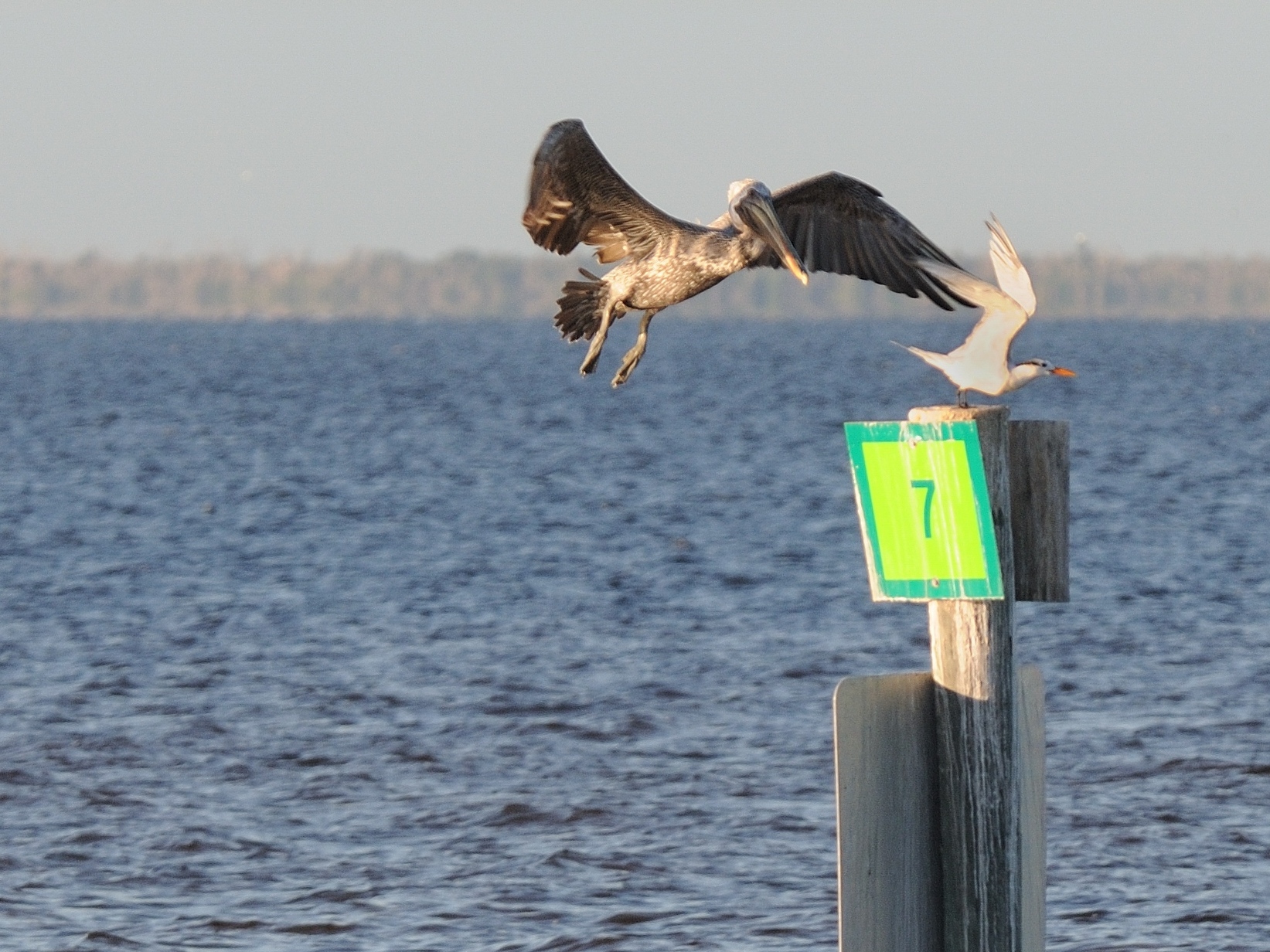
They are a bit of a bully with smaller birds though.  The pilings for the channel markers are used by a lot of birds to rest from feeding.  You quite often see Anhingas, Cormorants, Gulls and Terns on them but, when a Pelican wants one for a roost, there is no argument.


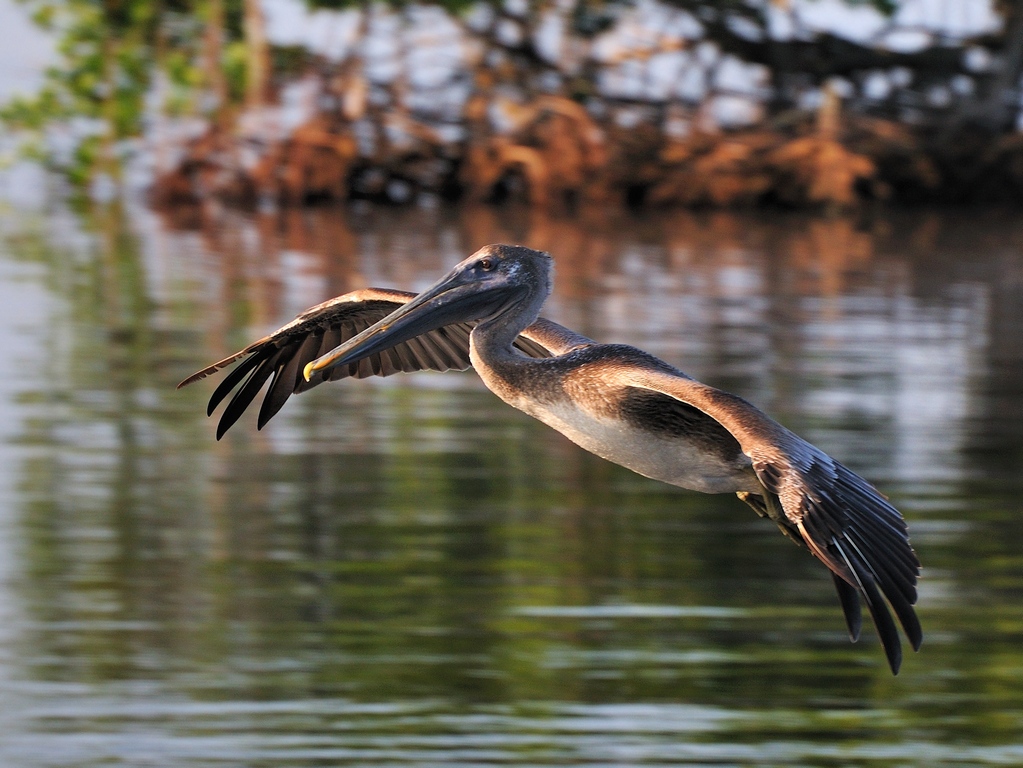
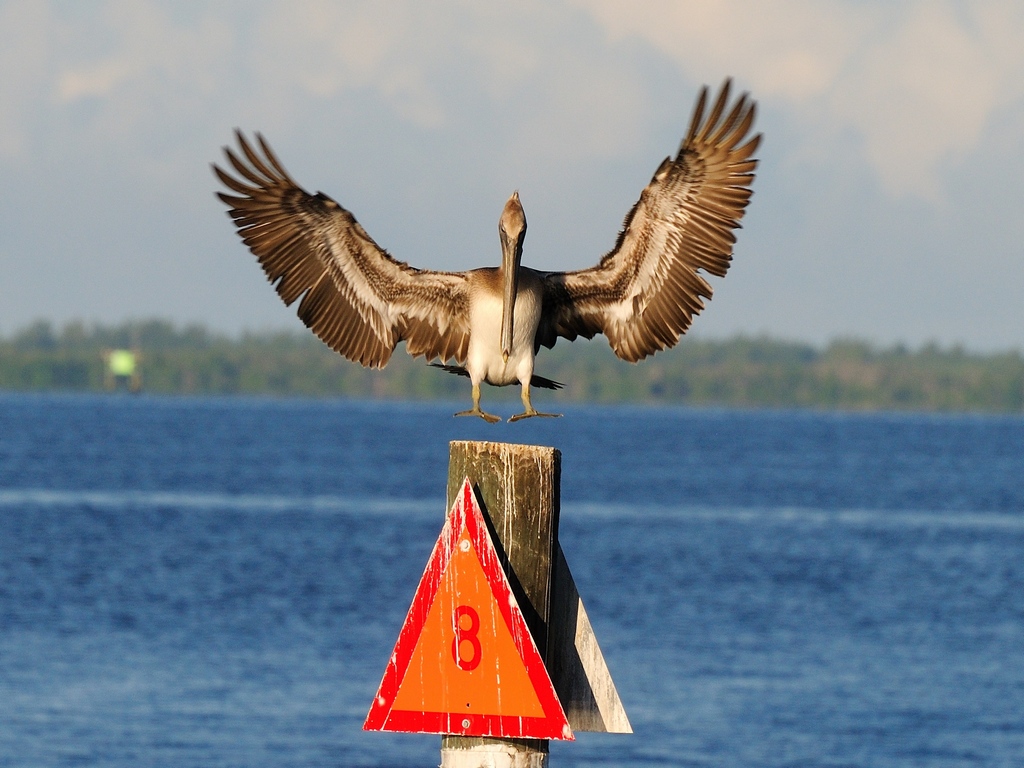
Normally, their flight and landings are more graceful.


They dive to feed and their pouch can hold about 3 gallons of water.  While cartoons show them with quite large fish in the pouch, it’s actually more like a net that can hold a lot of smaller fish.

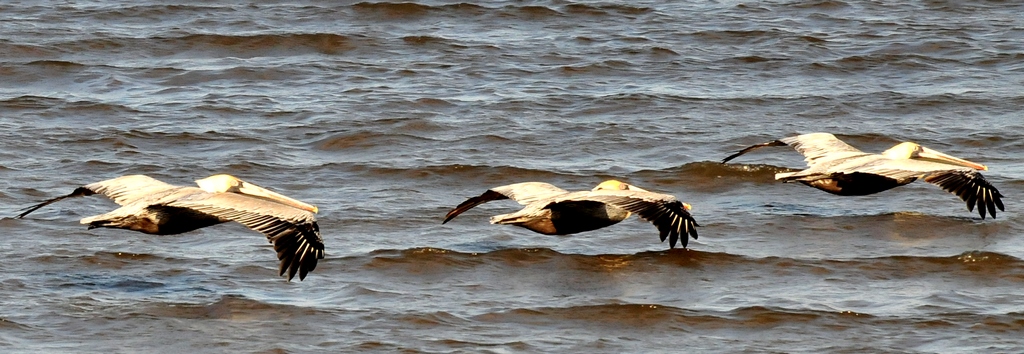
One interesting to see in flight is their ability to glide for very long distances without moving their wings.  This is done with a high angle of attack on the wing which pushes a cushion of air beneath them.  Man has copied this with an aviation technology known as Wing In Groundeffect or WIG.  Here are a couple of shots of Pelicans In Groundeffect (maybe I could call that PIG) 🙂

Posted in Bird | Tagged , | Leave a comment

Yet another trip to Ponce de Leon park

Sorry, I really want to hit some other places but, demands of the season mean quick local trips for my morning walk.  There are a few other areas of Babcock-Webb that I want to introduce you to but, they’ll have to wait.

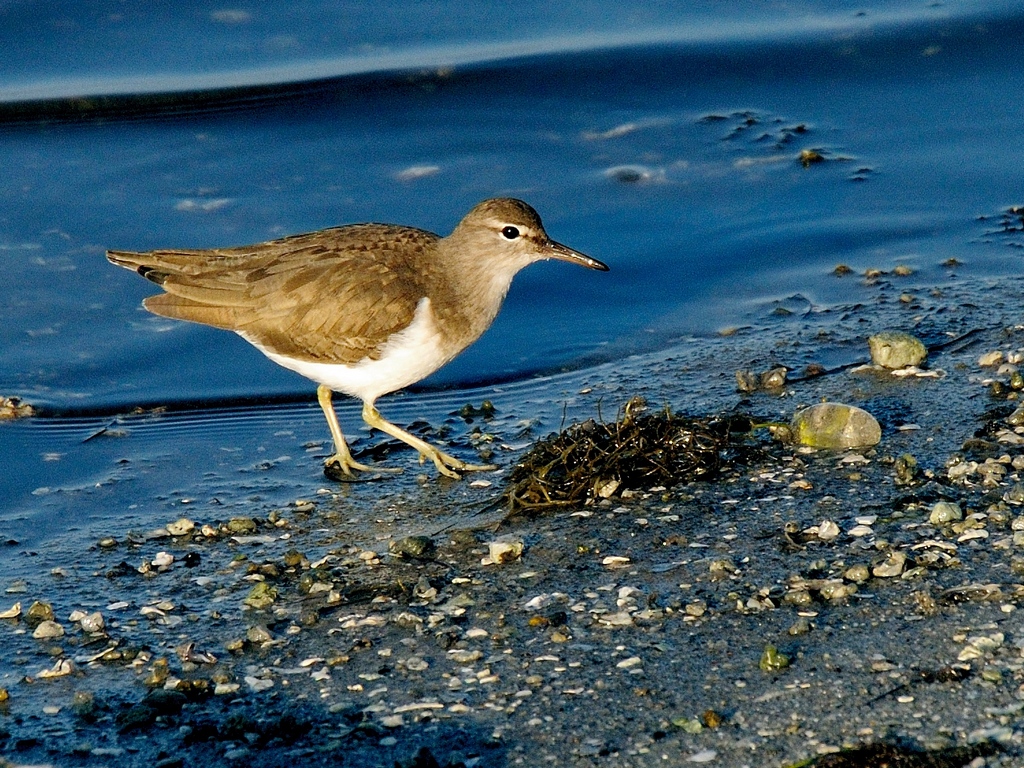
Today was a pretty good day.  After everything had hunkered down for the cold snap, things were waking up.  I drove down and parked past the Peace River Wildlife Center near the seawall.  I took a look up toward the shore path  and the waders were pretty far out.  I did see this little Solitary Sandpiper – Tringa solitaria wading in closer to the wall.

I took a couple of shots of it and walked down to the fishing pier near the boatramp.  Nothing was fishing too close to shore and the pelicans were out on the channel markers and there was nothng around but this Fish Crow – Corvus ossifragus who was looking around for dropped bait on the pier.

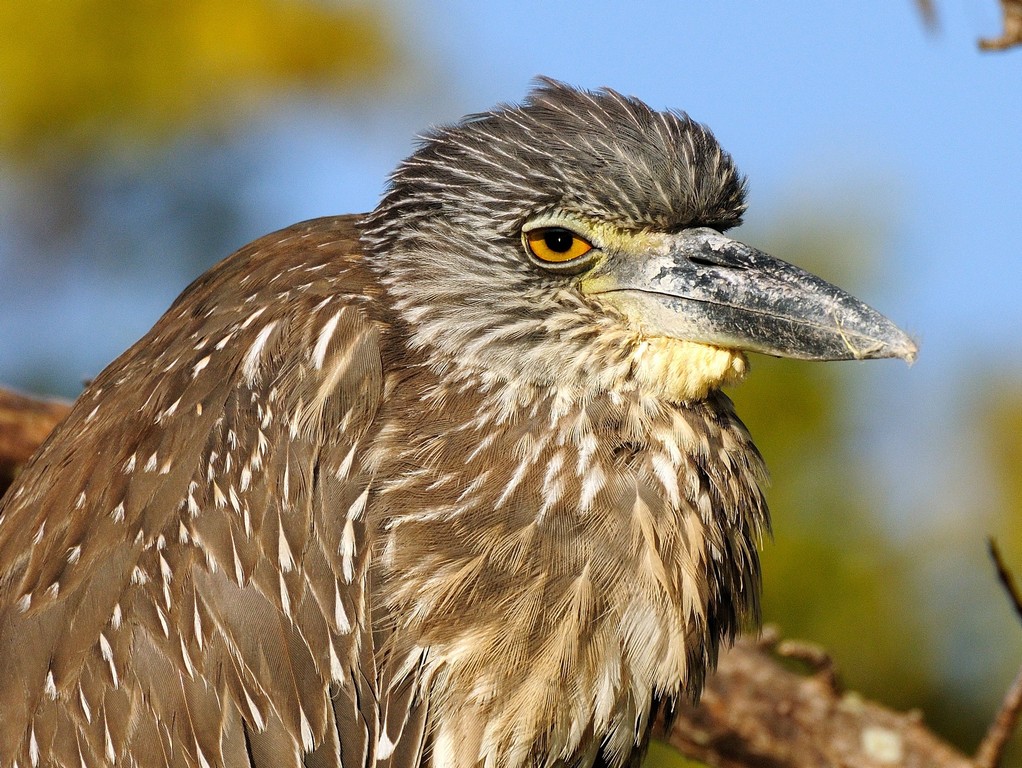
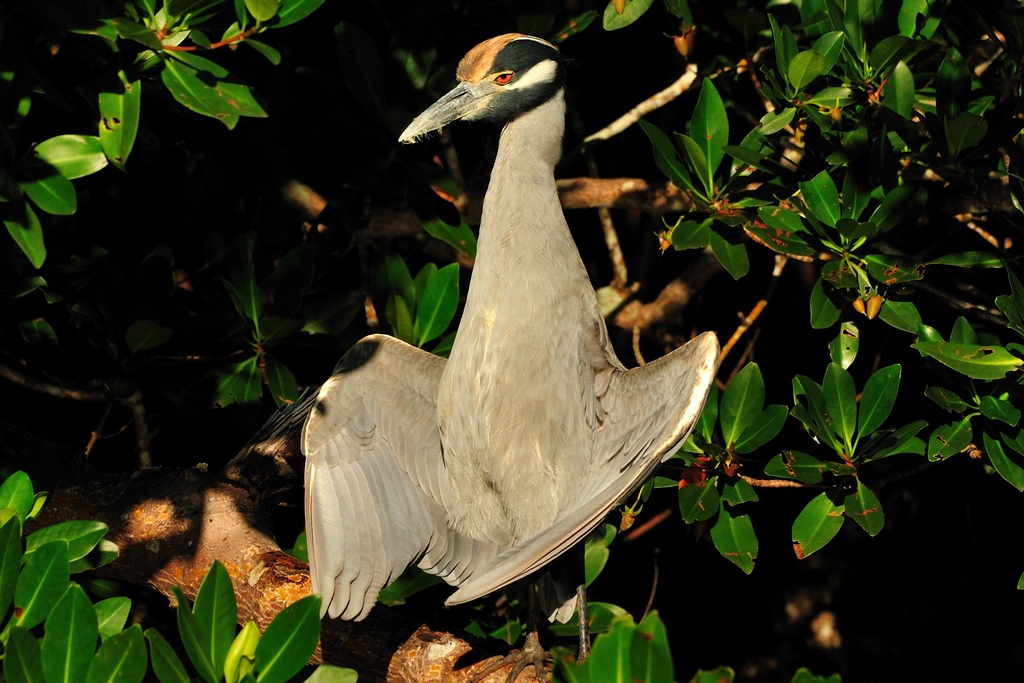
The nature path was productive.  As I crossed the bridge I spooked a trio of Hooded Mergansers who quickly took cover under the overhanging mangroves.  When I got to the Nature Walk fishing pier, things were very lively.  Pelicans were flying back and forth to the roost but at a bad sun angle for taking pictures.  That wasn’t the case for the other birds though.  An immature Yellow-crowned Night Heron was warming up on the fish lure tree.  Here are two shots of it showing how easily it blends into the background of the mangroves where it usually hides.  They are so thick that flight is difficult and the birds primary defense is to stand incredibly still unless a threat gets very close.  It can defend itself pretty well with that beak.  I’ve seen them pierce crab shells all the way through with one blow.

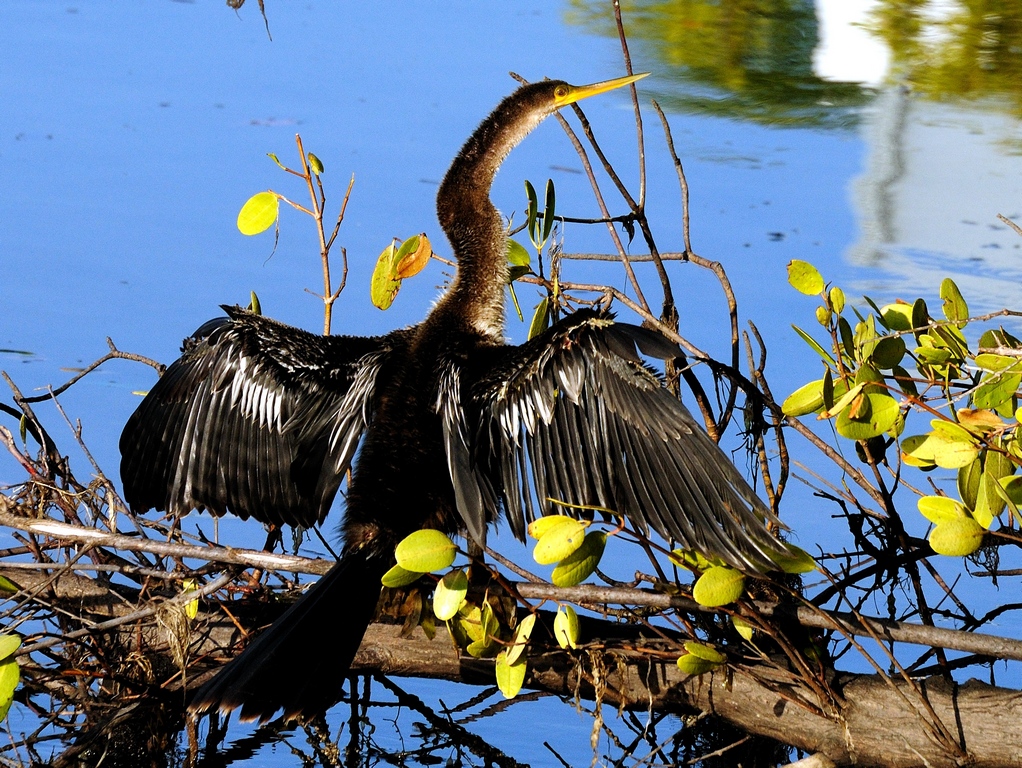
But, it wasn’t the only bird near the dock.  Below it, drying out from a dive was an Anhinga.

And just off to the side from the Anhinga was a Little Green Heron.

As usual, Ponce Park came through with an interesting time and I haven’t even gotten to the Swings and Seesaw yet 🙂

Posted in Bird, Park, Park - Ponce de Leon | Tagged , , , , | Leave a comment

Some good news on a bug picture

My local photo club is a member of the Photographic Society of America (PSA).  We have begun to enter their club level contests for digital photography.  The club entry is six pictures from at least four different photographers.  This picture of a Ramburs Forktail damselfly was selected at the club level and entered.

The pictures are judged individually and the scores added up to get the club score.  We found out that this picture won an honor in the national competition scoring 12 points of a possible 15.  Yay!!!  The club, as a whole, finished in the top third in a national competition in our first attempt.

Posted in Bug | Tagged | 1 Comment

Feeding gulls

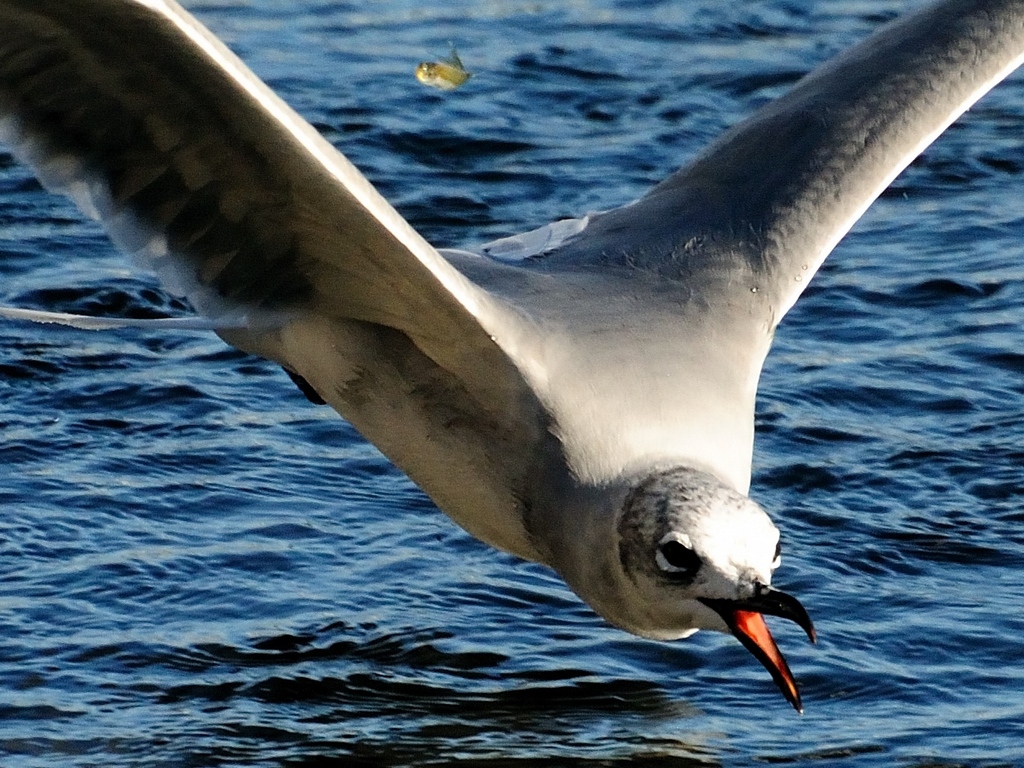
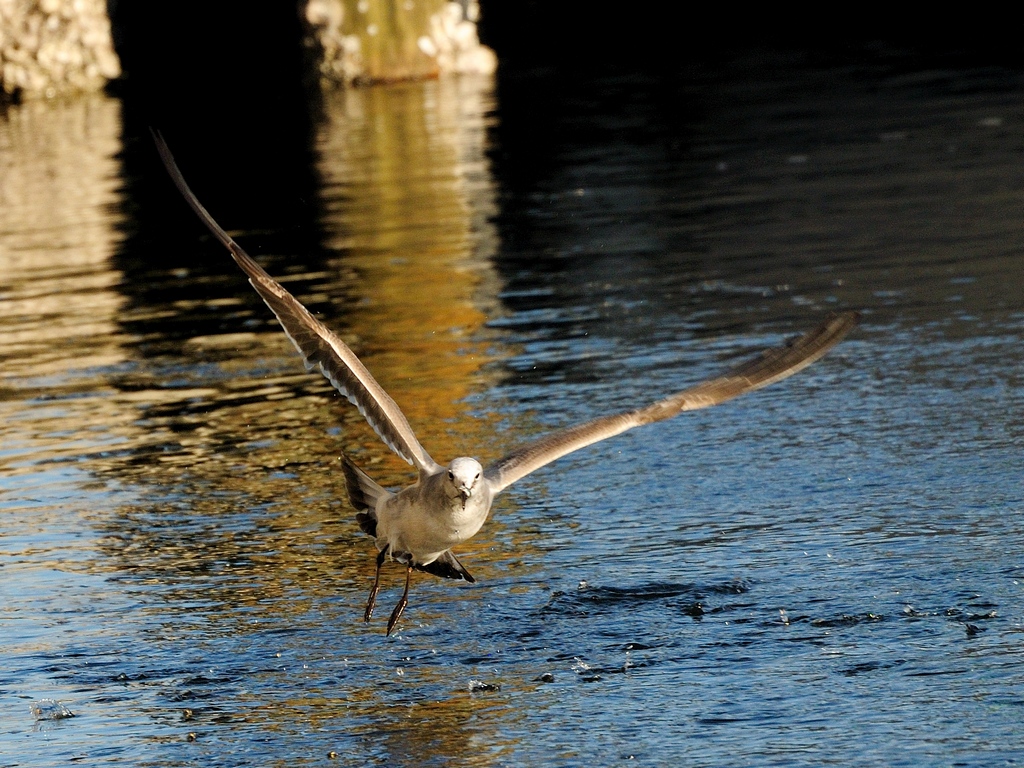
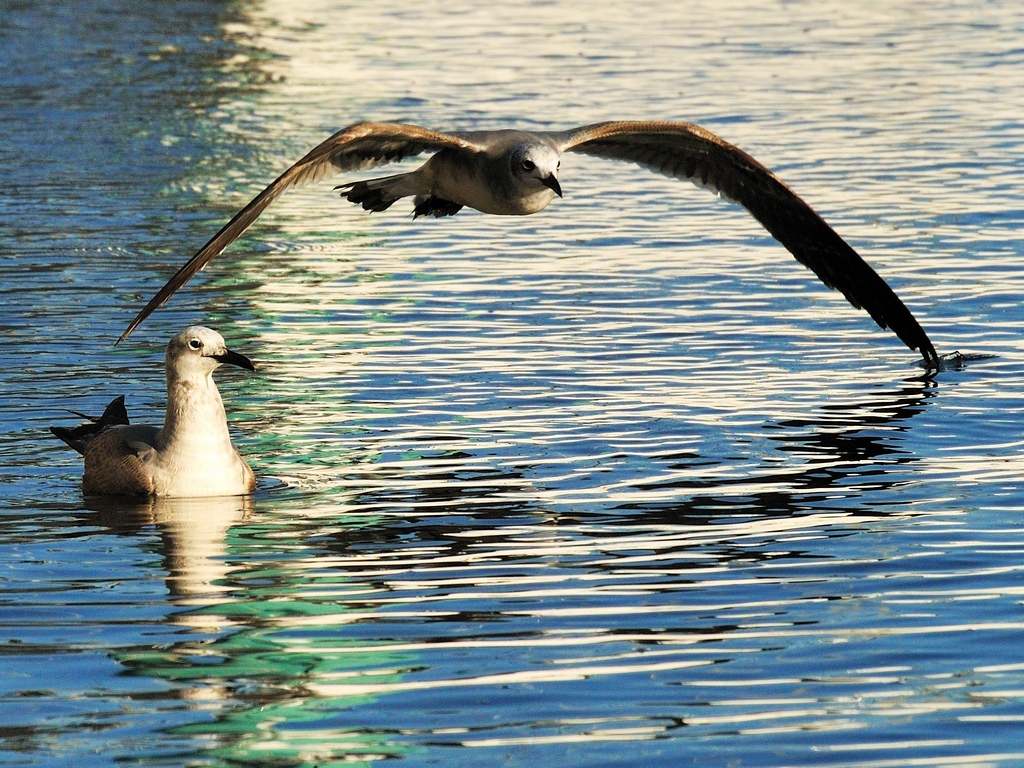
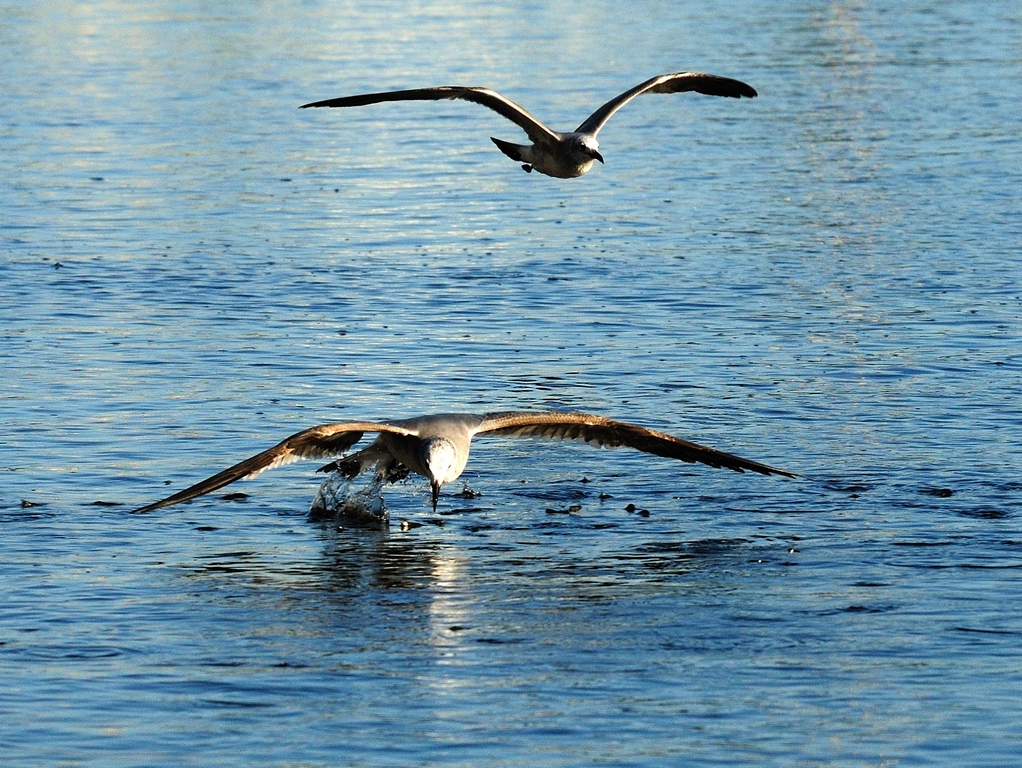
On the same day as the Green Heron was fishing in the post below, the gulls were also active. Unfortunately, the sun angle wasn’t as good for shooting the feeding gulls so there are not great pictures here but, some interesting ones showing feeding behaviour.

The one that got away.  Look closely at the top of this picture between the wings and you will see a fingerling fish that got away.

But, they don’t all manage to do that.

It’s really great to get a front seat for the airshow though.

Here’s the formation team

So, while I didn’t get anything spectacular out of it, it was a nice way to spend some time watching the gulls and shooting pictures.

Posted in Bird | Tagged | Leave a comment

So, why carry a flash in the daytime? – Fill Flash

Southwest Florida has some brilliant bright days. Perfect for photography. If the sun is in the right position that is. In fact, bright sunlight brings dark shadows and a powerful flash is a useful tool for getting good shots which might otherwise be mediocre.

Here is an example. I found this immature Yellow-crowned Night Heron in Ponce de Leon Park. Unfortunately, it was a bit timid and wanted to stay underneath the mangroves in the shade. You can see by the harbor in the background that it was a bright day but, the birds speckled feathers were a nearly perfect match for the rocks and dappled shadows.

I needed a few minutes to settle down to where I had a decent background against the water without spooking the little fellow. That provided some good separation with the water as a background for the bird but, I still had the mangrove shadows to deal with.

The first shot here was with the flash turned off.  I call that an insurance shot.  You can sometimes retrieve a decent shot from one like this in post processing.  You can see the shadow lines are harsh but, worse, there is little detail in the shadows. The second shot use the Nikon SB-800 to provide some fill light which brings the birds coloration out without totally overriding the existing light.


Most manufacturers have flashes designed to work with their digital cameras with a number of specialized modes or allowing a great deal of control of the light.  Nikon flashes have a BL (BackLight) mode for conditions exactly like this.  The official name is Automatic Balanced Fill Flash and the flash and camera use the information from the exposure calculations to use just as much light from the flash as needed to bring the subject illumination in line with the background.

Other manufacturers also offer similar capabilities with their flashes but, this integration of flash and camera is one reason I like to use system flashes on my cameras.  The other is that it avoids having to calculate the differences between exposure values in the background and foreground of the image.  You can let the exposure calculations be handled by the lighting system.

Posted in Bird, Camera Gear, Camera primers, Park | Tagged | Leave a comment

Green Heron – Butorides virescens – Right in my own back yard

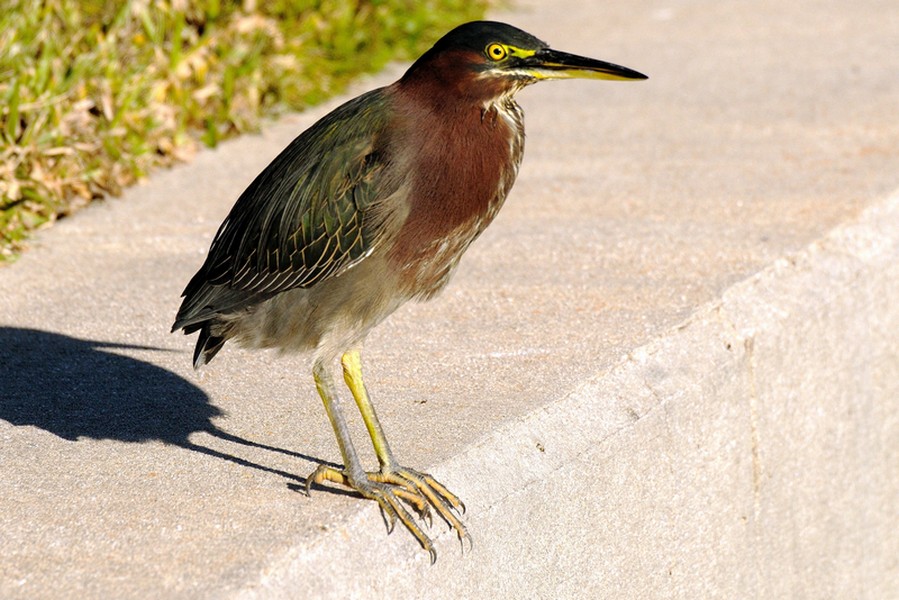
I usually go out to the local parks and rural areas to find my birds and bugs. Today was a lot easier though. I noticed gulls feeding on a lot of small fish drifting in schools through the canal behind my house. I went out to take a couple of shots of them fishing. The sun angle was such that it made for easier shooting from by neighbors dock. As I walked over, I noticed a Green Heron walking across the lawn. Usually timid, I think this one was a bit hungry and attracted by the feeding calls and noises of the gulls.

This is a fairly typical pose (which I titled ‘Standing on the seawall watching all the gulls go by’.   This one that shows why people sometimes think the Green Heron is a short necked bird.  It’s not though, it’s fairly long neck feathers overlap each other and make the neck appear short.  Once it starts hunting though it’s true extent appears.

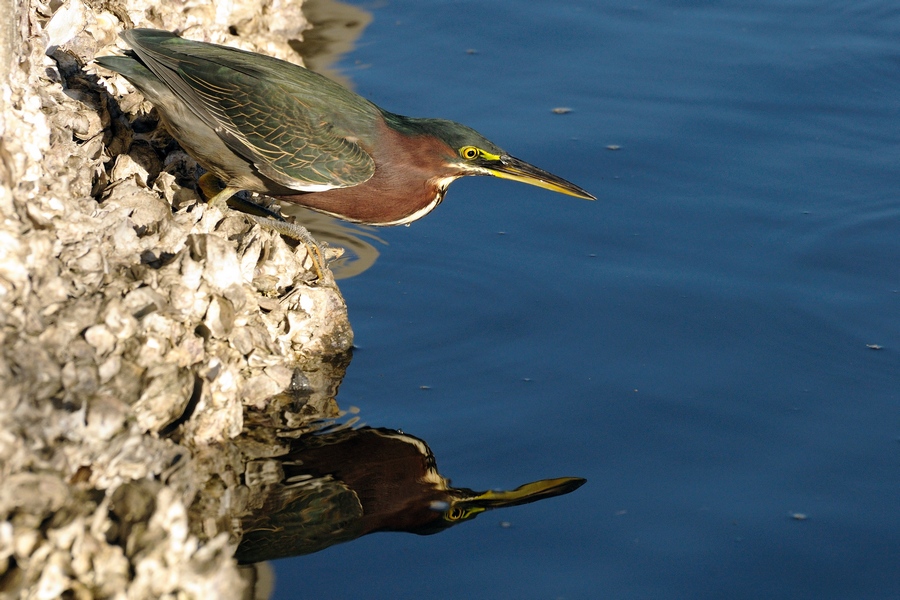
It stretches out a little to get it’s head in a good position to see into the water.

But, when it strikes, there is no doubt that this is a heron’s neck.

Yum, nothing like fresh fish.

More images from this series available at http://saorsa.zenfolio.com/p904056633

Posted in Bird | Tagged , | 1 Comment

Ponce De Leon Park – Nature Trail

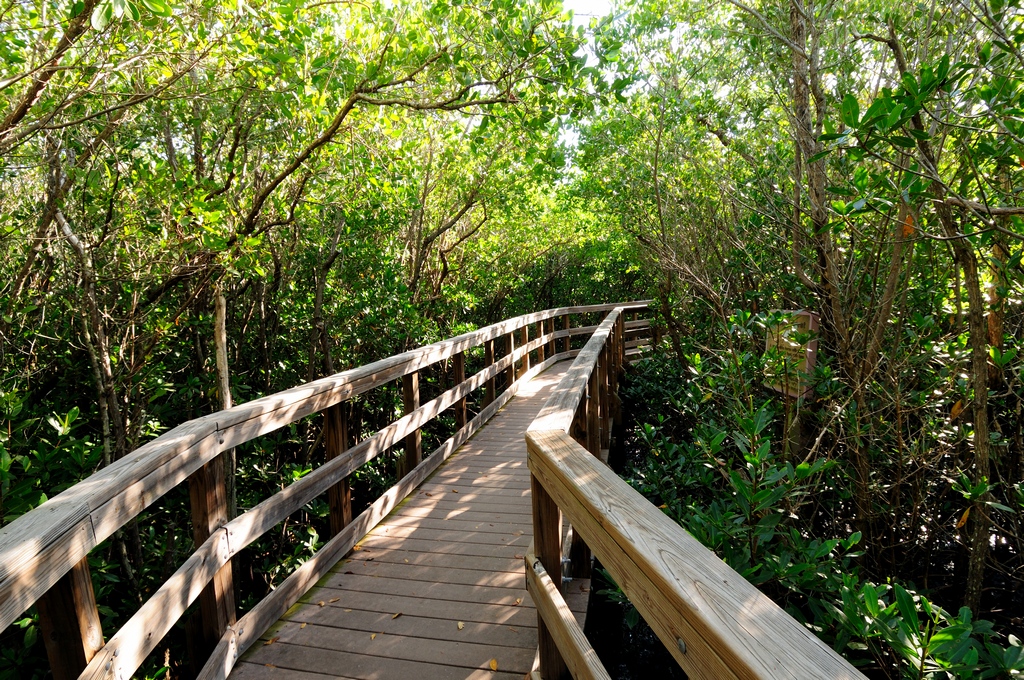
Ponce Park also has a small nature trail.  It’s basically a boardwalk through a mangrove marsh to a fishing pier along the entrance canal.   The first thing you will do is cross a drainage canal.  This is actually a good place for finding herons.  In fact, in this view of the canal, if you look very closely,  you can see a Yellow Crowned Night Heron sunbathing in the mangroves on the left.

The shot above was with a 12-24mm f4.0 Nikkor.  I took several others of the heron with my 70-300mm f4.5-5.6 VR.  The first shows him sunbathing and the second becoming suspicious while grooming.   Click on either to see a larger size.


So, it’s a good idea to approach the bridge gently.  If you check out the reflections of the overhanging branches in the water you can see the birds before they see you.  A little extra stealth and you can be in a good shooting position.  This particular bird obviously was far enough away not to be threatened.

Once across the bridge, the boardwalk continues through the mangroves.  Unlike the shore path, the boardwalk runs above marshy ground which will be flooded as the tide rises.  It is a good place to observe Fiddler Crabs.  In the  early morning and evening you can also see other animals in the mangroves but, they tend to blend in well and take careful watching to see.

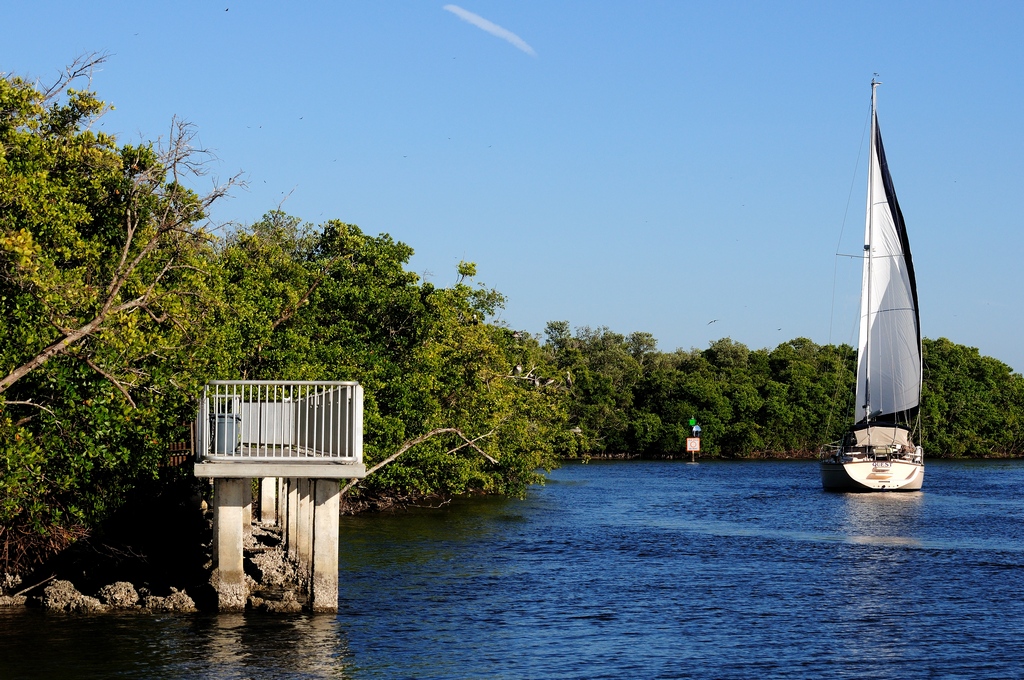
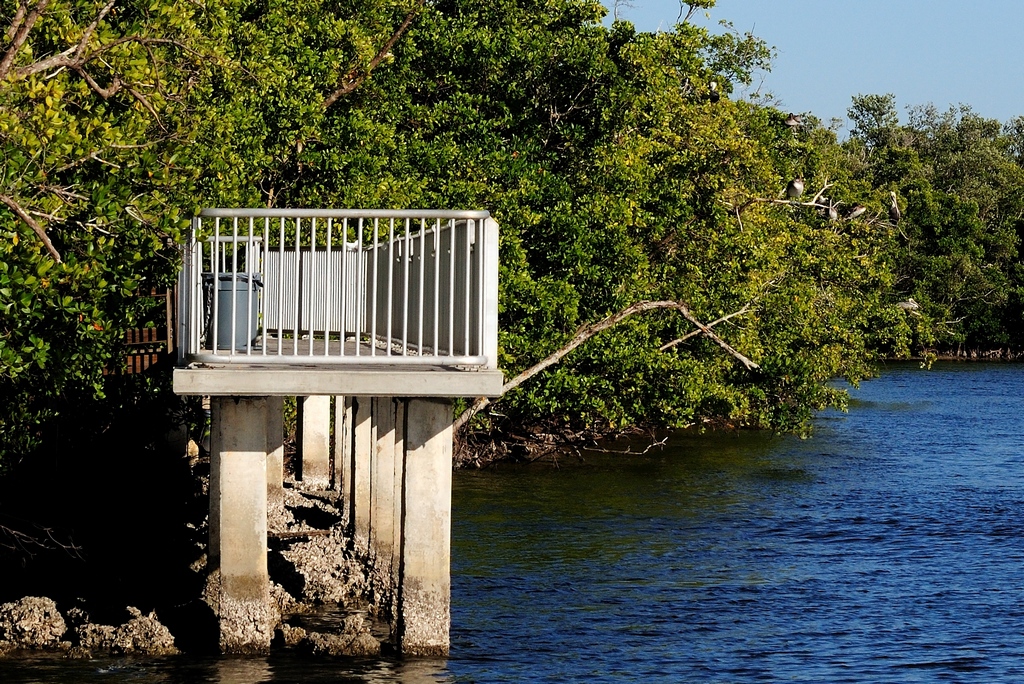
There is a junction in the boardwalk and it really doesn’t matter which side you take.  Both lead to a fishing pier overlooking the entrance canal to the Punta Gorda Isles development.  This is a good place to watch boats coming and going.  This picture was taken from the other fishing pier near the boatramp.  You can just see the trail to the left of the metal pier.


The picture on the right is a tighter crop of the one on the left.  Look closely at the top right corner and you will see pelicans roosting.  Click the pic for a larger view.  This pier and the other near the boatramp are great places to get Brown Pelicans in flight.  Mornings provide the best light.  The roosting pelicans below were taken in the same roosting  spot from a boat and the pelican in flight from the fishing pier.


Posted in Bird, Park, Park - Ponce de Leon | Tagged , , , | 1 Comment

Ponce De Leon Park – the shore path

I’ve mentioned Ponce De Leon Park in Punta Gorda before.  The park itself is nice enough with a seawalled sunbathing area, boat ramp, picnic tables and the Peace River Wildlife Center.  But, walk to the end of the seawall from the parking lot and you will find the shore path.

This was taken today with a very low water level due to the strong north winds.  Normally, you can only walk on the white sand at the right side of the picture but, today, you could see the gentle slope of the shore.  Wearing shoes you don’t mind getting wet greatly expands your opportunities.  The Charlotte Harbor Environmental Center often runs wading exploration trips here.  The path enters the mangroves at the end of the white sand and meanders through them with little sidepaths from time to time.  The total length of the path is less than half a mile.  It is not wheelchair accessible. 

This is a closer look at the entrance to the mangroves.  At this point, the path  is wide and stays close to the harbor.

Not too far along, the path becomes rough and wandering but always passable with a little ducking under branches and stepping over fallen trunks.

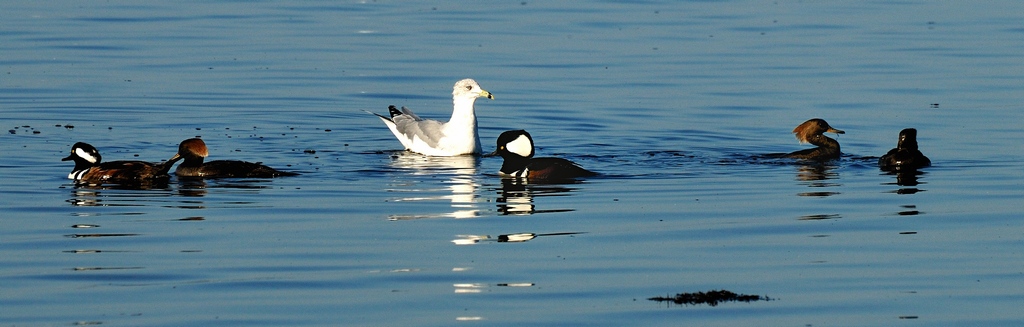
Along the way, there are side paths which lead to the harbor or into the mangroves.  The paths to the harbor provide some natural cover for shooting the shorebirds and other waterfowl.  This morning, I found that the Hooded Mergansers had arrived and were feeding in the shallows with gulls and egrets.

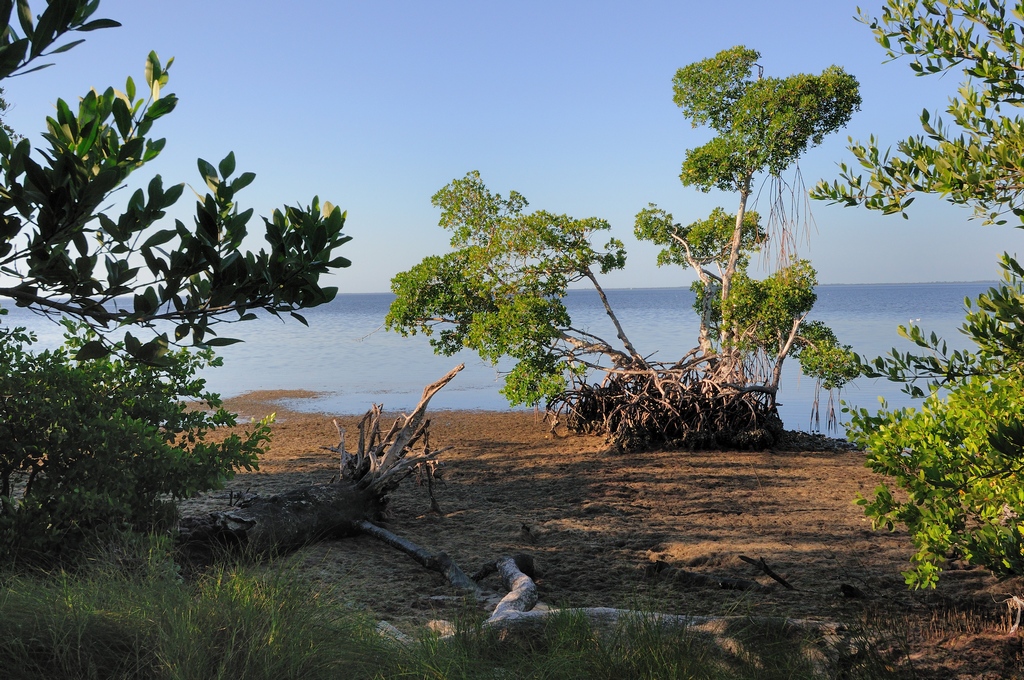
The sidepaths also open into great views of the harbor.  This cluster of mangroves usually has it’s roots submerged but, with the low water today, it was full exposed.

The shore walk may not be the most obvious thing to see in Ponce Park, but, it is one of the nicest.

Posted in Park, Park - Ponce de Leon | Tagged , | Leave a comment

Shooting closeups – Extension tubes and bellows

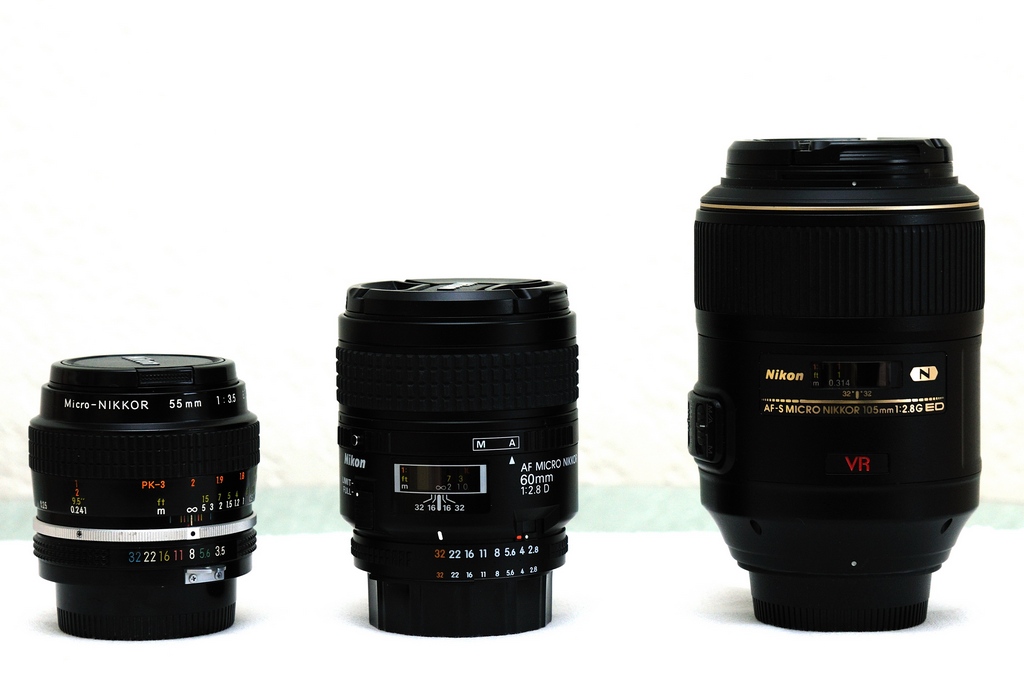
One way to shoot closeups is to, well, get closer to the subject.  If you look at a normal helical focus lens you will notice that it is at it’s shortest when focussed at infinity and most extended when focussed at it’s minimum focus distance.  These picures show the 55mm f3.5 Micro-Nikkor, the 60mm f2.8D Micro-Nikkor and the 105mm f2.8 VR Micro-Nikkor.  In the picture on the left, they are set to the infinity focus mark.  In the picture on the right, they are set at their minimum focus distance.  Notice that the 55mm and 60mm are longer at the closest focus point while the 105mm has not changed it’s length at all.  That is because the 105mm is an Internal Focus lens.  It’s front element does not move relative to the camera or subject while focussing.
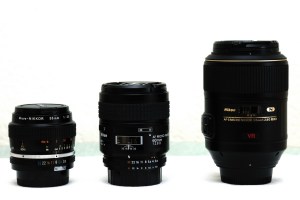
 

A problem arises when you reach the minimum focus distance for your lens and you are still not at the desired magnification.  It no longer focusses because it can’t extend any more toward the subject.  Two types of accessories can help with that.  Extension Tubes and Bellows.

Extension Tubes

As the name implies, Extension Tubes are simply hollow tubes which fit between the lens and body and extend the focus range.  Well, it doesn’t really extend the range, it just shifts to a closer range as infinity focus is lost when extension tubes are used.

Extension tubes sound pretty simple, after all, they’re just an empty tube between the lens and camera.  They do need to be well constructed though.  That means that the ends of the tube must be parallel to each other or else, the lens will be out of alignment.  This misalignment will show itself quickly in use.  They also have to be sturdy enough to hold the weight of the lens without bending or, the alignment is lost again.

These pictures show the Nikon PK-3 on the left,  a cheap plastic set and the Nikon M2 on the right.


The cheap plastic tubes you see advertised for a few dollars are not worth the risk.  I bought a set to use for a demonstration at a macro workshop I was giving for my local camera club.  They did not fit together well and after use, the lens mount release pin would not operate to release the tubes from the lens.  If you look at the picture on the left you will see that while the lens mount is metal it is held to the plastic tubes with small screws into a thin flange.  the camera mount is all plastic.  The three tubes are all plastic with all plastic threads.  You might want to consider build quality on the $10.00 tube set before mounting them between an $1800 camera and a $900 lens.  You may learn, to your dismay, that cheap tools can be really expensive.

You wouldn’t think that an empty tube would have any optical properties but, while taking these pictures, the ‘anti’ reflection ribs in the plastic tubes showed that it actually reflects light inside the tube.  Why not, it’s just shiny plastic.

The Nikon PK-3 and M2 rings were actually sold independently or with the old 55mm f3.5 Micro-Nikkor.  The original lens did not go to the full 1:1 magnification ratio and the extension tube was used to provide that capability.  Both are metal construction 27.5mm extensions.  If you look at them, they are marvels of engineering compared to the cheap tubes.  Both have actual matt black interiors eliminating reflection and the M2 even has a metal masking frame at the rear to really eliminate stray light.  The primary difference is that the PK-3 includes the fork and aperture linkage for metering while the M2 does not. 

Bellows

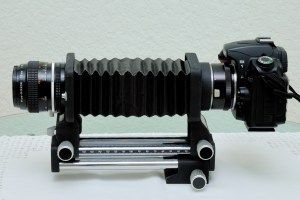
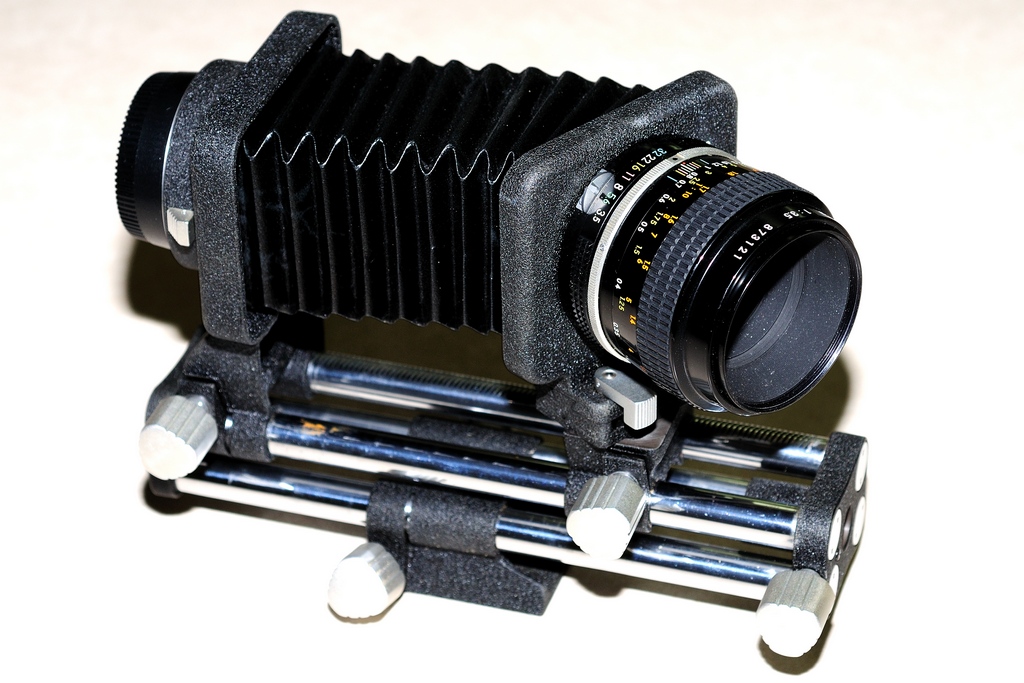
Bellows are like the extension tubes in that they allow the lens to be moved closer to the subject.  They are different in that they are solid mounts for the lens and camera with a flexible, light tight bellows between them.  The Nikon PB-4 bellows includes the ability for shifts and swings or tilts  for better Depth of Field Control. 


On the left, you can see the PB-4 with the 55mm mounted and with a swing on the lens mount.  the right picture shows the PB-4 at full extension with the 55mm and D90 mounted.  The modern camera bodies with a grip will need an extenstion tube between the camera and camera mount on the bellows.  The grip will foul the bellows without the tube in place.  In this case I am using the M2 tube.  The PK-3 tube should not be used with modern Nikon cameras since it is not an AI mount.

Unfortunately, neither the bellows or the extension tubes above will work well with G mount Nikkors.  The G mount lenses do not provide for any sort of mechanical aperture control when mounted normally on a tube.  Reversed, you can control the aperture to be wide open to focus.  The Nikon rings will open the aperture but, there is no fine control.  When the picture is taken it will always be at minimum aperture.

While in camera metering systems accomodate the exposure problems of long extensions, you should be aware of it.  I discussed this in more detail as Bellows Extension Factor in the Terminology post.  You should be aware that the viewfinder will be very dim when focussing.
Posted in Camera Gear, Camera primers, Shooting closeups | Tagged | Leave a comment