Another Ponce Pelican Post

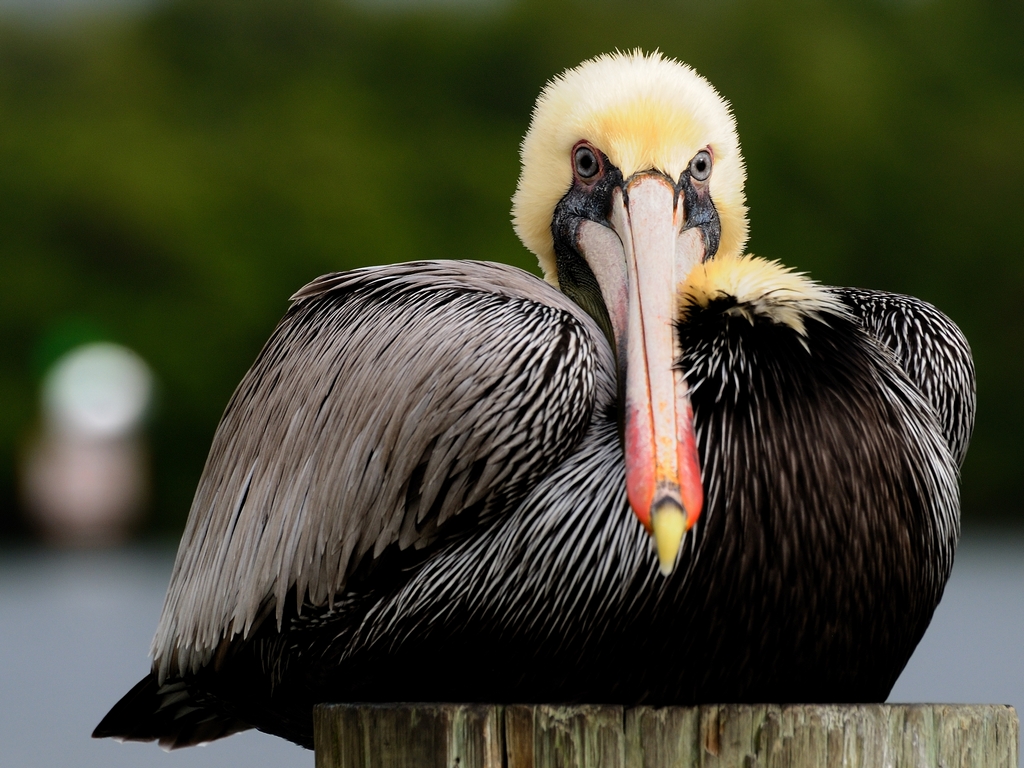
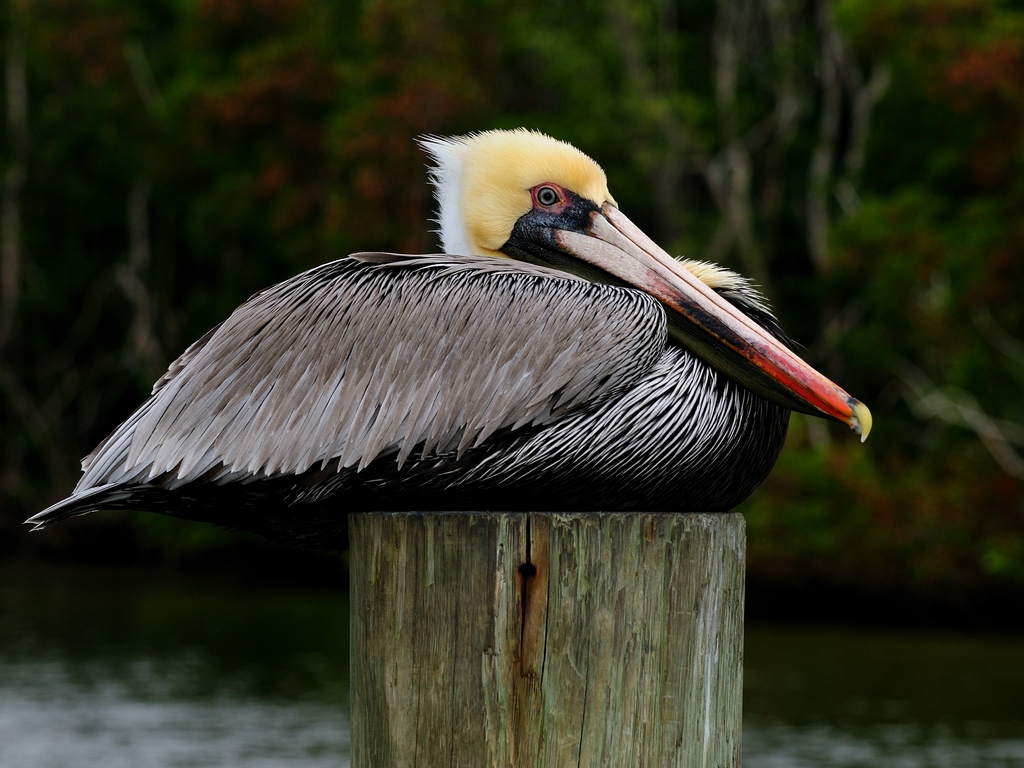
This guy just decided to perch on a piling right a the boat ramp. I was able to walk up to about 6 feet from him. They usually take off pretty quickly but, I think this one has been mooching fish from the returning fishermen.

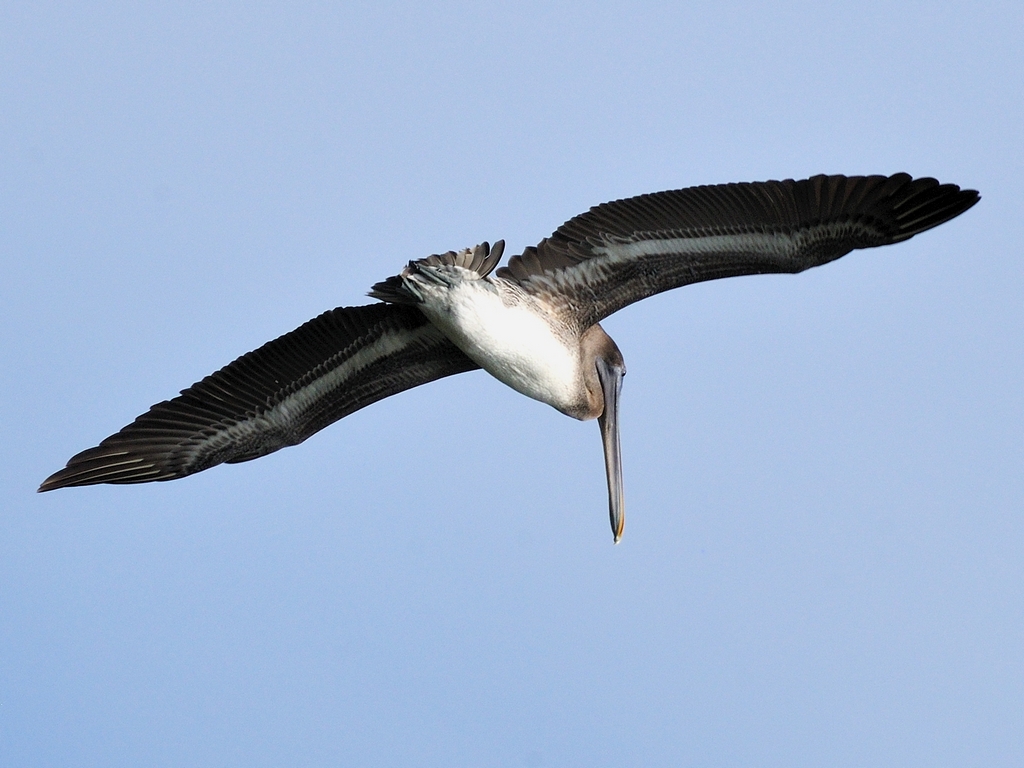
And, this guy was just starting a dive to feed.

Posted in Bird, Park, Park - Ponce de Leon | Tagged , , | 1 Comment

A day with the Nikkor 24-85mm f2.8-4.0

We had visitor and decided to show them around Punta Gorda.  It wasn’t really a hard core photo day, just traveling around town showing them the sites.  I put the 24-85mm on the Nikon D300 and decided that it was all I was going to pack. 

It really isn’t a macro lens but, it does have a macro switch  allowing it to focus a bit closer in the 35-85mm range.  While I was waiting for the others to get ready, I walked around the house and found the usual array of bugs on the shrubbery.

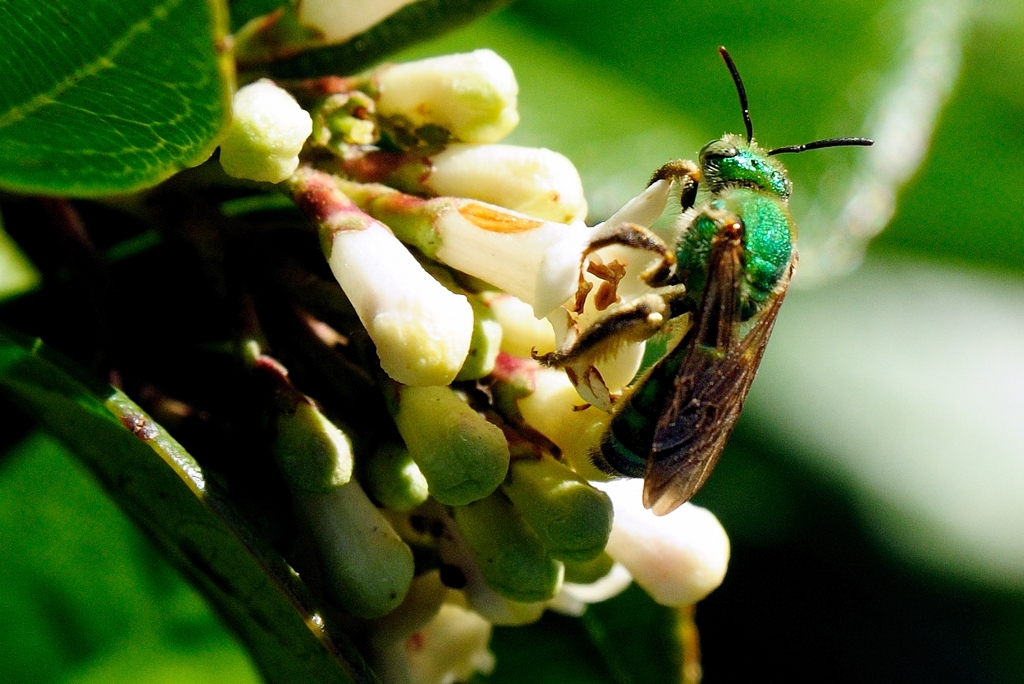
I set it to macro and tried getting one of the very quick green metallic bees that we sometimes see.  Since it doesn’t get to 1:1 magnification, I had to shoot at a lower ratio and crop.  You can see the full image in the left and the crop in the right.  Click for full size.


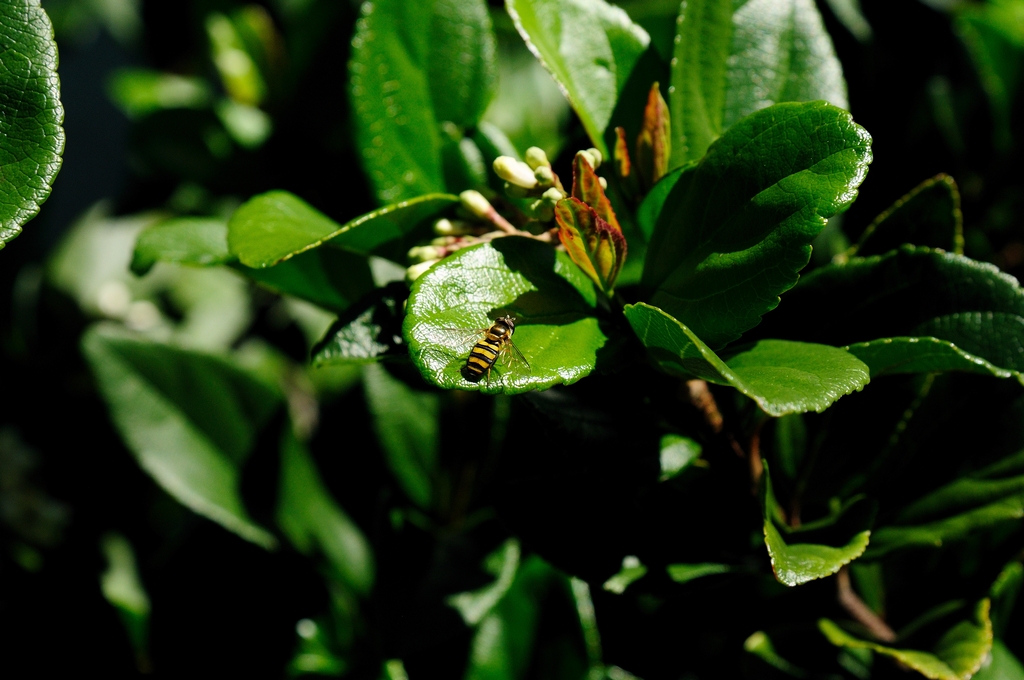
Here is a similar pair of a beelike fly.


It’s not going to replace a dedicated macro lens but it still gives a useable image.  The next stop was a nice fresh hibiscus.  The background here was brighly lit dormant grass.  It was pretty light to begin with and the flower was in soft shadow.  Exposing for the flower let the grass blow out to a clean white.  The only processing on this picture was a slight curve adjustment and a bit of sharpening.  Then it was cropped and resized for this blog.

The next stop was Laishley Park where there was an Italian Festival.  We stopped for lunch and sat on the bank near the river.  A lot of folks were tossing scraps to the gulls.  You wouldn’t normally consider an 85mm lens good for Bird In Flight shots but, with the baited gulls, I was able to get this shot of a Laughing Gull turning into it’s summer colors.

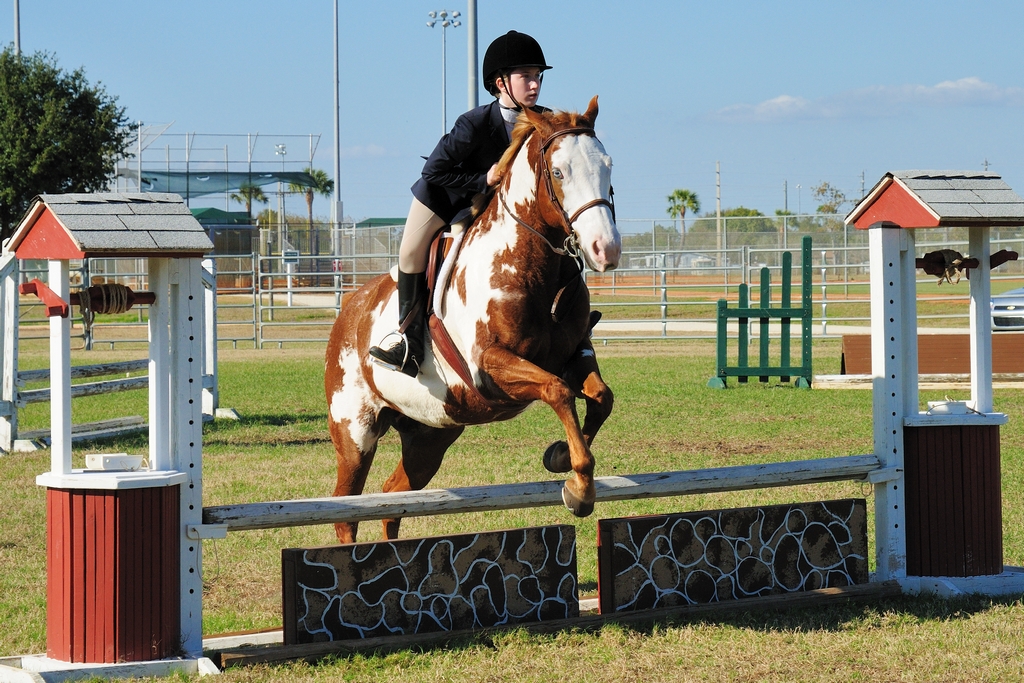
We left Laishley and went out to the Carmalita Park area.  The Punta Gorda Horsemans Association was having a Hunter/Jumper show today.  The bright day was good for a couple of jumping shots.  Here’s one of them.

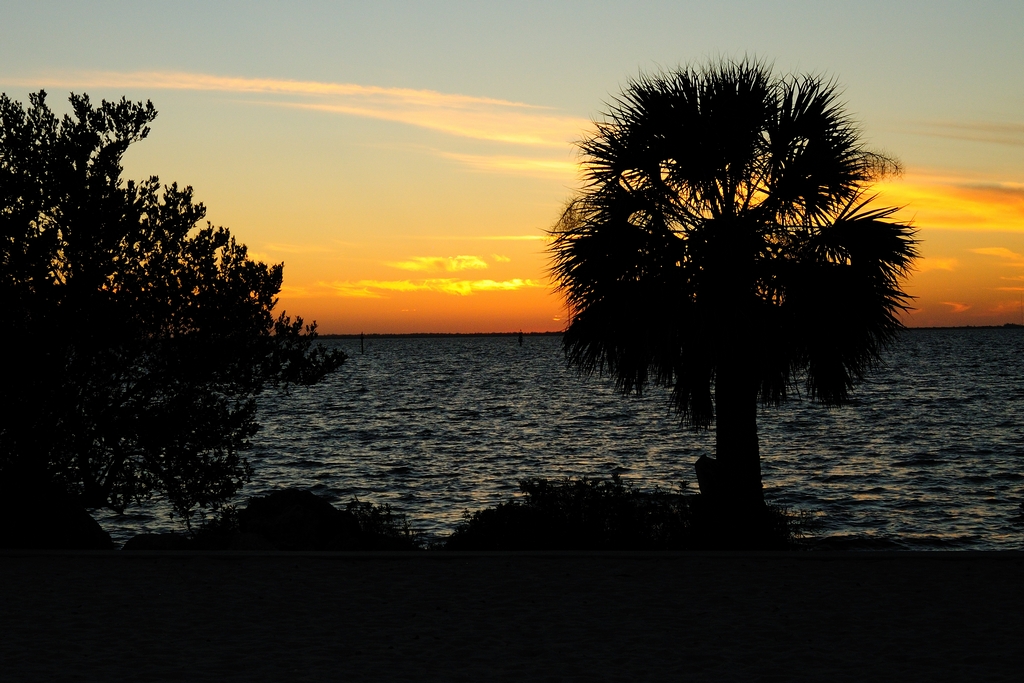
Then, it was off home for dinner.  While it was cooking a bit of color came to the sky so a quick trip to Ponce de Leon park for the sunset was in order.  It wasn’t a really great one but there was enough cloud to give it a bit of character.

And, so ended a one lens day of casual shots while showing off the town.

Posted in Bug, Camera Gear | Tagged , | 2 Comments

One more Great Blue Heron and a couple of Pelicans

I just can’t resist the shots of the birds hanging around the boat ramp at Ponce de Leon Park.  The city has posted no fishing signs to keep human anglers out of the way of boat launching activities but the birds ignore the law.  I call these the scofflaw pictures.

The pelicans hang out here too

Posted in Bird, Park, Park - Ponce de Leon | Tagged , , , | 1 Comment

Venice Rookery – an update

One of the great places to observe Great Blue Herons, Great Egrets and Anhinga mating and nesting is at the Venice Rookery in Venice Florida.  I hadn’t been there yet this season but as a friend and I were going up to Sarasota FL today to enter a competition held by the Sarasota Camera Club it seemed like a good time to stop and have a look.

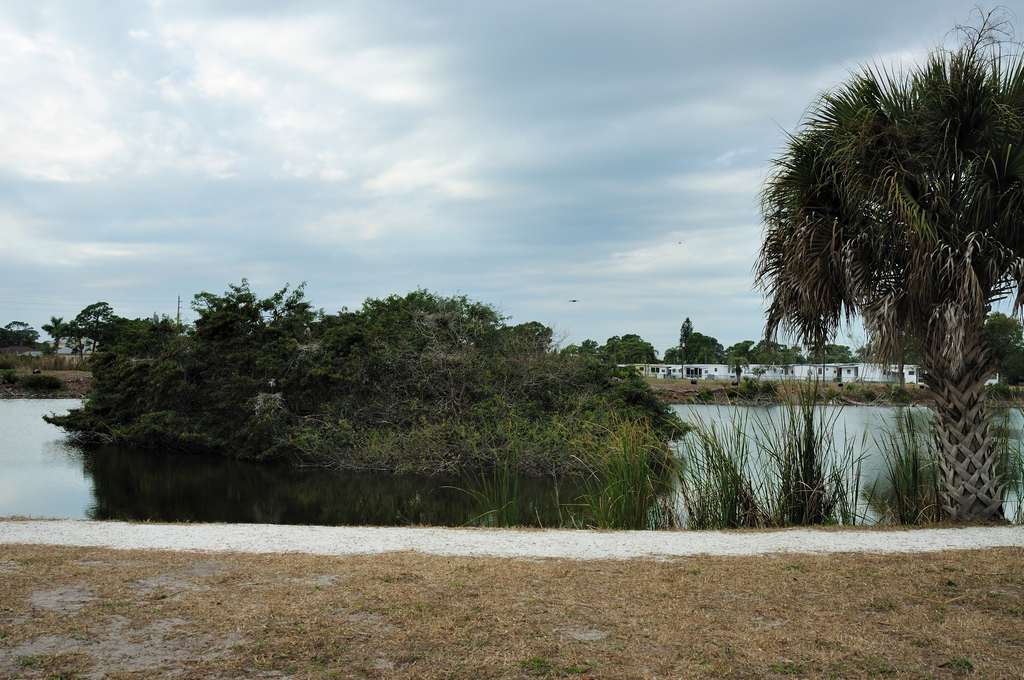
WOW, what a change.  I had heard that they had a program to remove all of the Brazilian Pepper bushes around the pond but was amazed at how much vegetation had actually been removed.  What was once a nice woodland background for Bird In Flight (BIF) shots  was now the backend of a trailer park and a public office building.  Here are before and after shots of the rookery island.  They aren’t taken from the same position but, there is only the one rookery island in the pond.


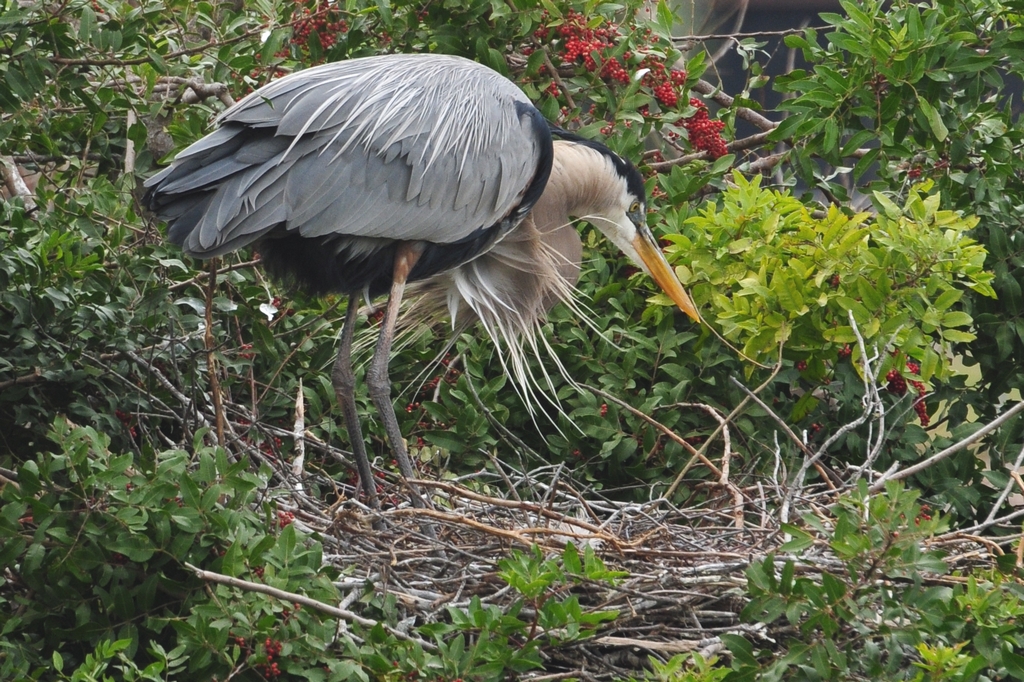
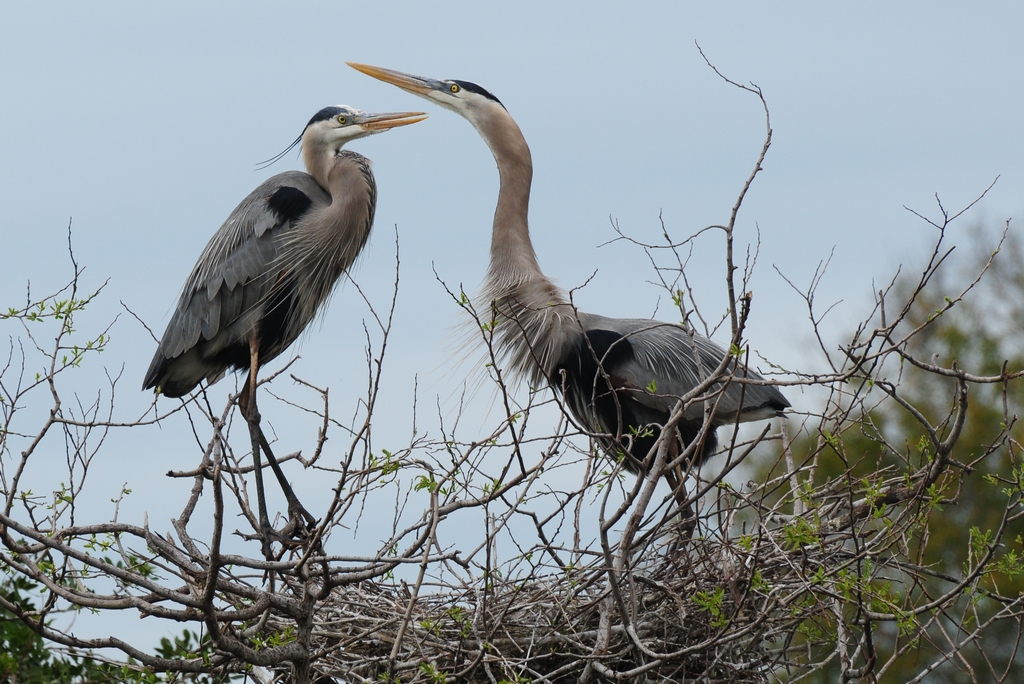
But, all is not lost.  The rookery island itself still provides a decent background and you can still get BIF shots  if you watch the angle you are shooting.  Unfortunately, the bushes that make up the nesting site seem to be primarily Brazilian Pepper.  I don’t know what will happen if they decide to clear that.  You can see all the little  pepper berries in this shot of a Great Blue Heron tending it’s nest.

With a little care, it’s still a great place to shoot and you can always count on activity.  Today was pretty heavily overcast so the skies weren’t much to talk about but, there was plenty of heron activity.  here are a few more shots.  Just click to see larger versions.


The scenics were shot with the 24-85mm f2.8-f4.0 Nikkor and the birds with the 70-300mm VR lens.

Posted in Bird, Park | Tagged , | 14 Comments

Heritage Village, Largo FL – another Photo Adventure

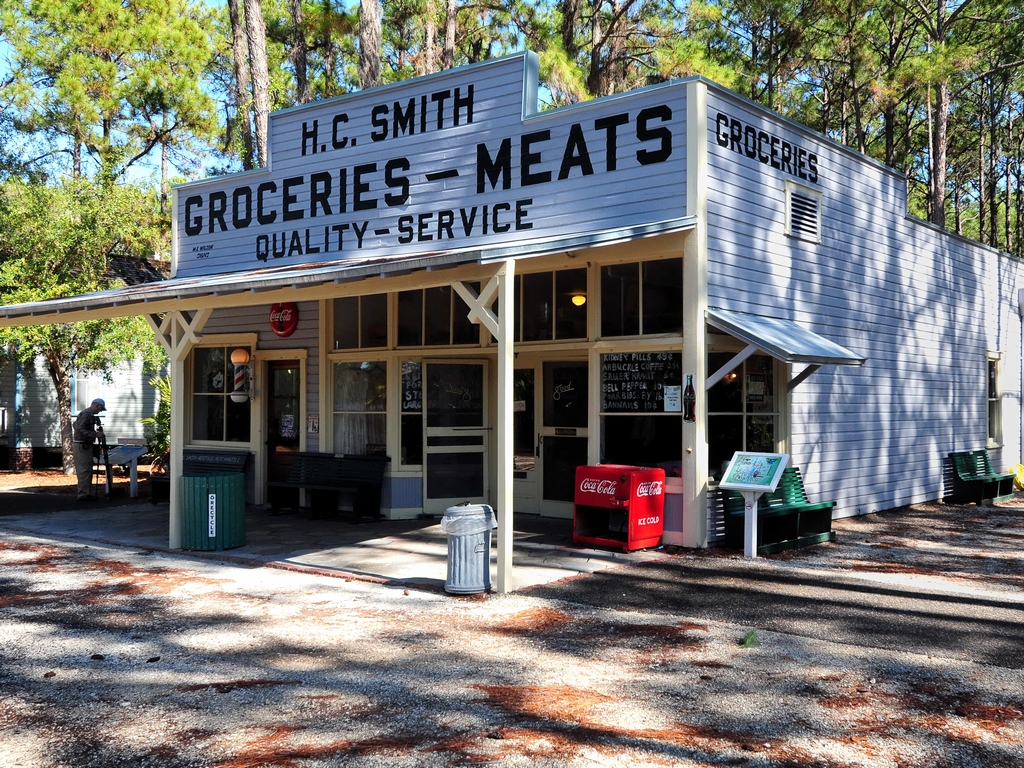
My local photo club took another field trip.  This time to the Heritage Village in Largo FL where Pinellas County has preserved and restored about 38 buildings on 25 acres.  It is adjacent to a botanical garden too so there is always something to shoot.

The nominal reason for the trip was to take a lot of pictures which members could be use to practice and discuss High Dynamic Range (HDR) processing techniques.  While I’m not especially interested in HDR, I am a member of my local historical society which has begun a similar sort of park to preserve historical buildings.

The day started dull but quickly turned into the sort of sunny day that makes Florida such a great place to live.  It was obvious that the park was wide angle country so I had my 12-24mm f4.0 Nikkor on one body and, just for fun, the 10.5mm f2.8 Fisheye-Nikkor on the other.

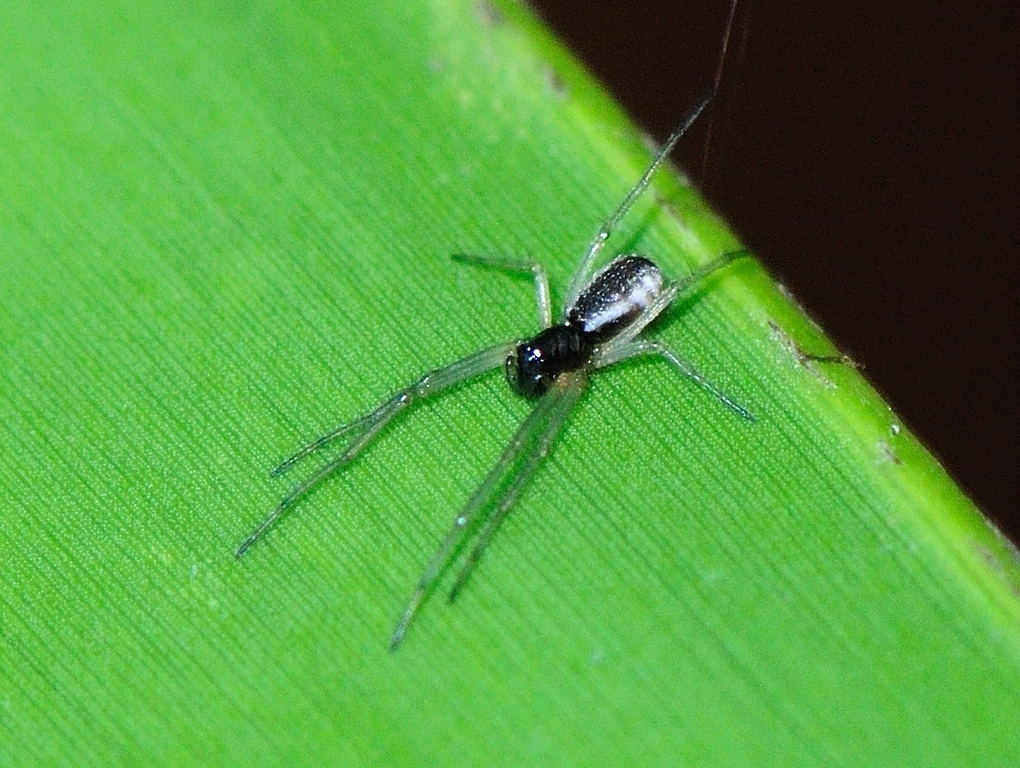
The botanical gardens had suffered from the recent cold weather so I didn’t get much to shoot in there.  I did use the 105mm f2.8 Micro-Nikkor for one shot of a little spider I found while waiting for some folks to get out of the way of a shot.

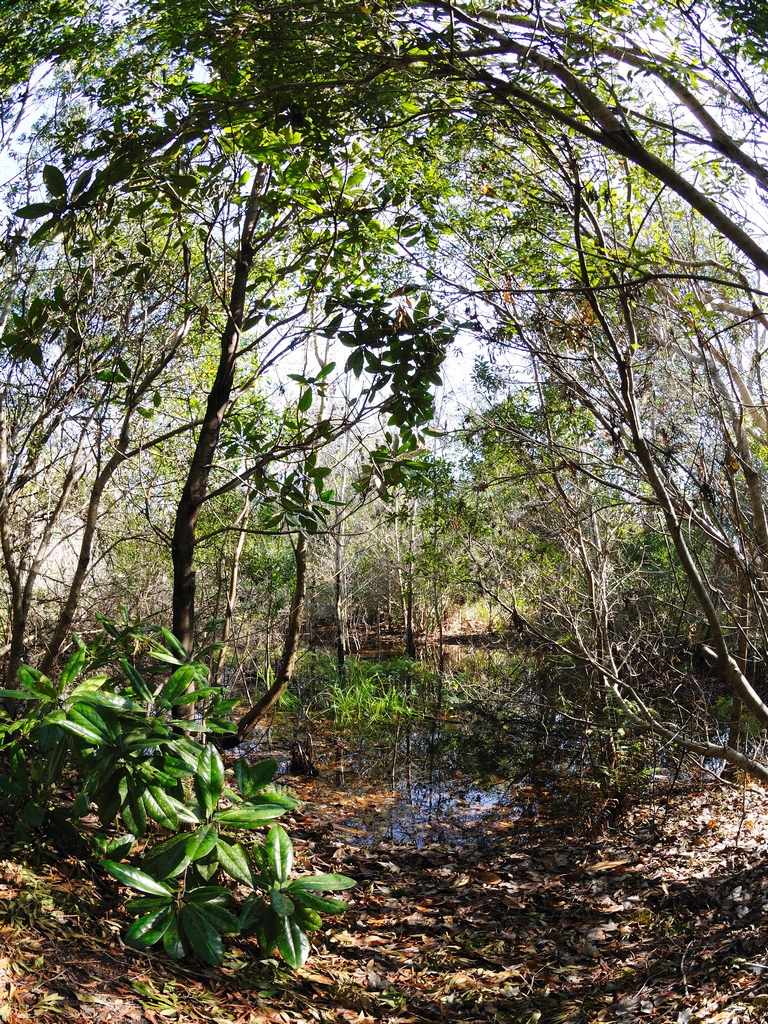
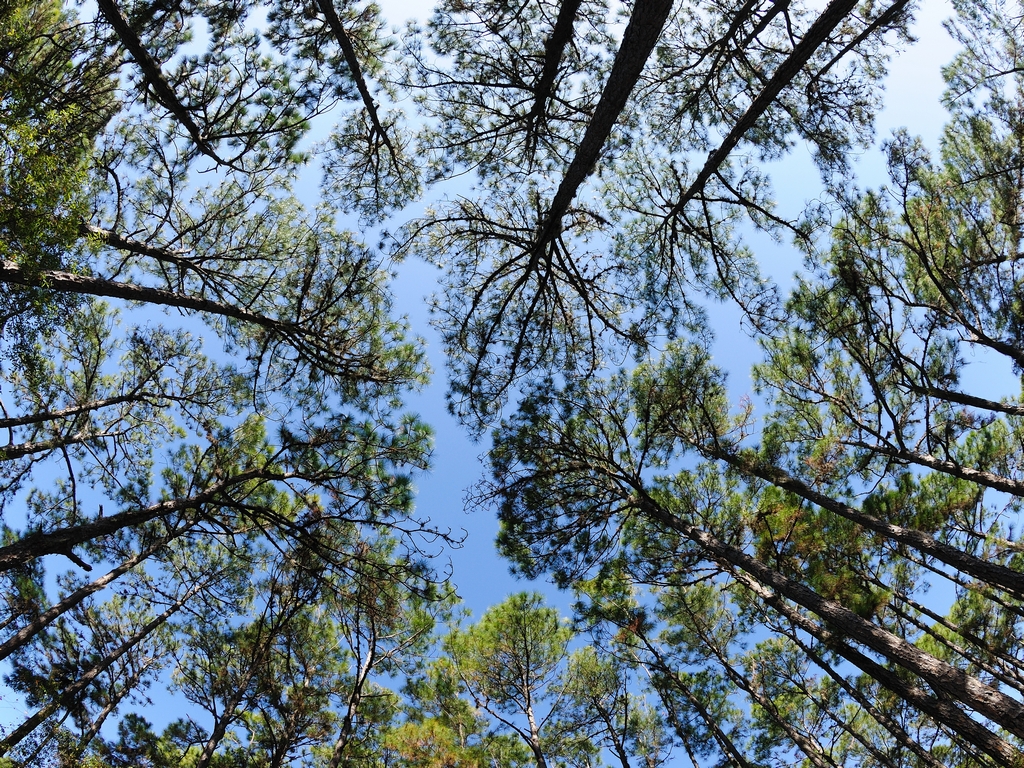
The fisheye gave me a couple of shots off the path one straight up and one into the swampy area.


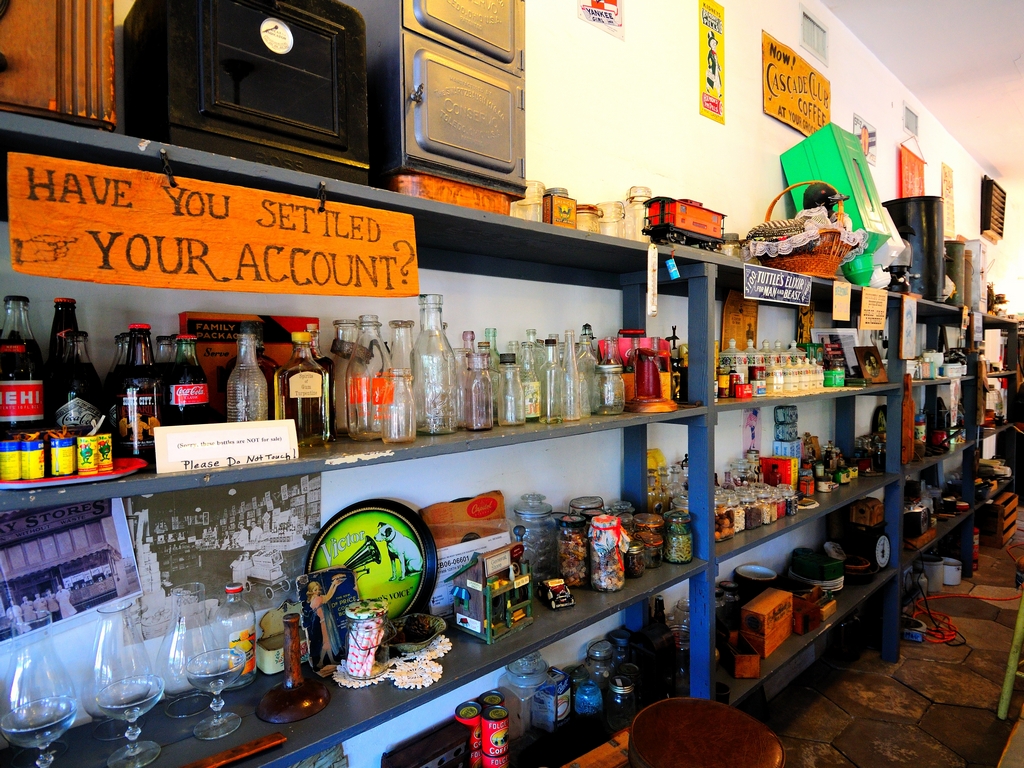
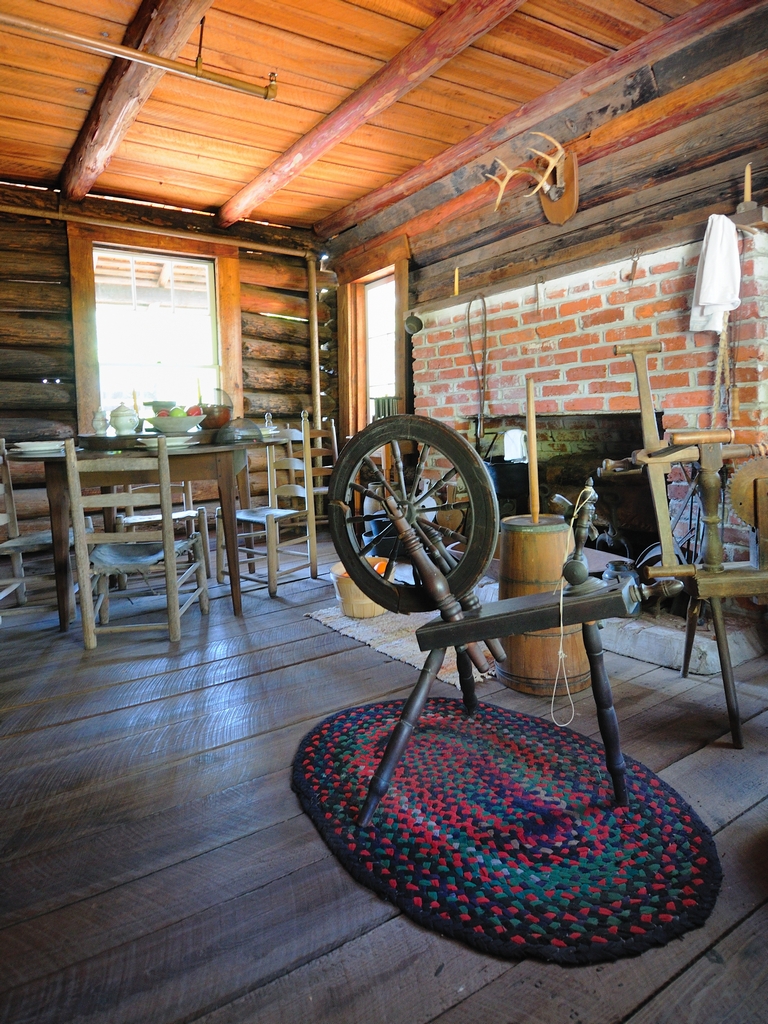
Most of the day though was in and out of the museum displays in the various buildings so, here are some results from that.  Here are a few of those shots, most done with the 12-24mm using available light.  Click on any image for a larger version.


Posted in Camera Gear, Park, Spider | Tagged , , , , , | Leave a comment

Circle B Bar Reserve, a few more pictures

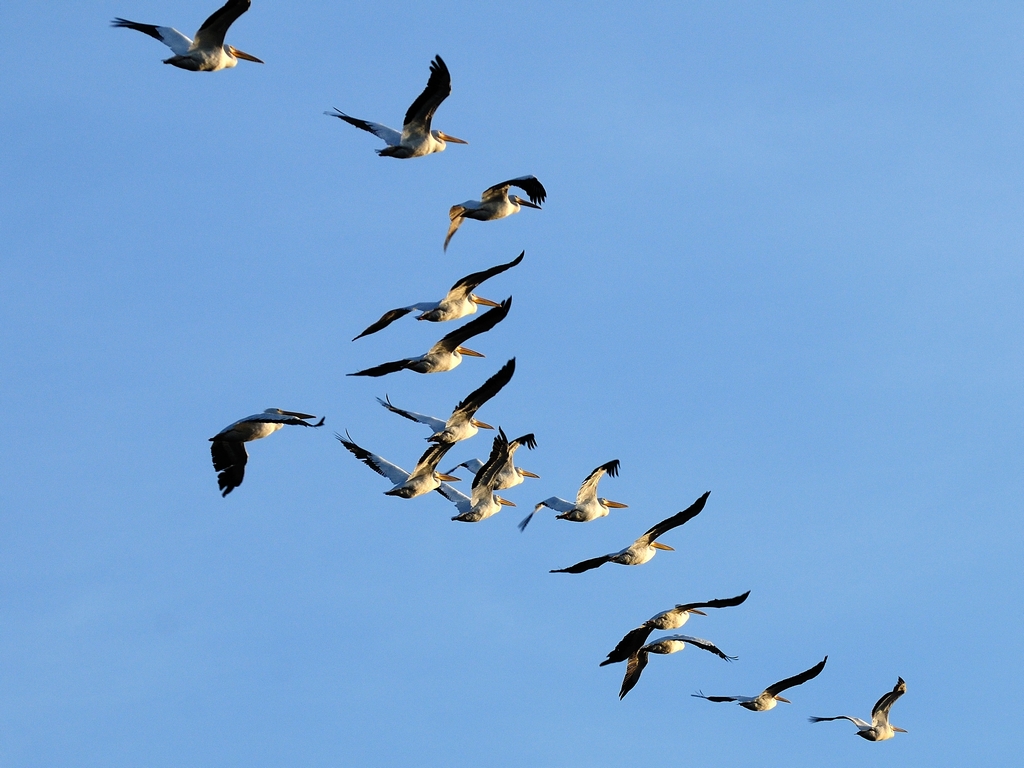
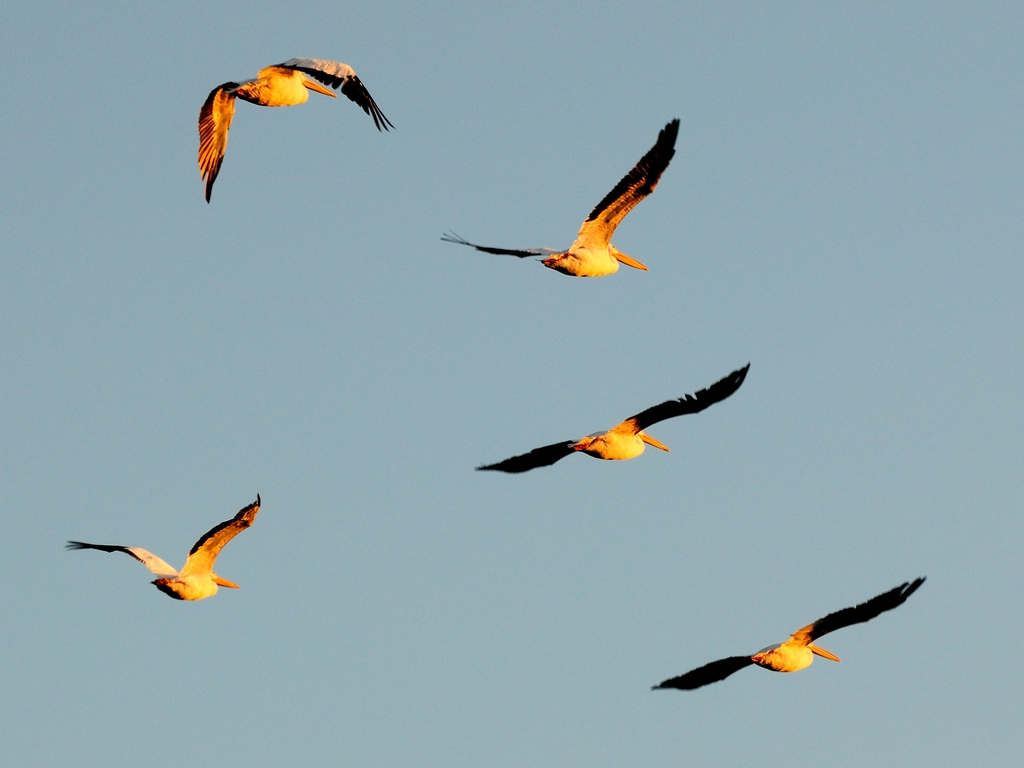
Here are a few more shots from the Circle B Bar Reserve in Polk County.  The first was taken with the 10.5mm Fisheye described in another post.  In this one the fisheye created the interesting curve of pelicans.  In reality, they were flying in a straight line but, the graceful curve is the result of the lens.

The rest of these are various birds taken with the 70-200mm f2.8 VR or the 70-300mm VR.

American Coot – Fulica Americana

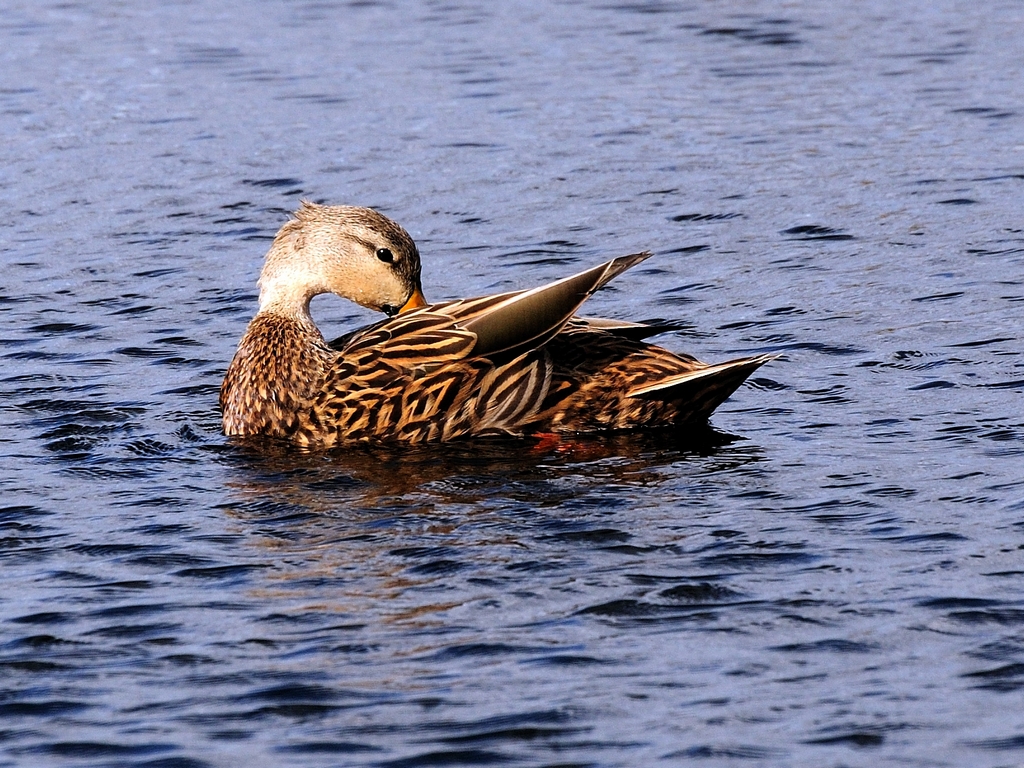
Mottled Duck – Anas fulvigula

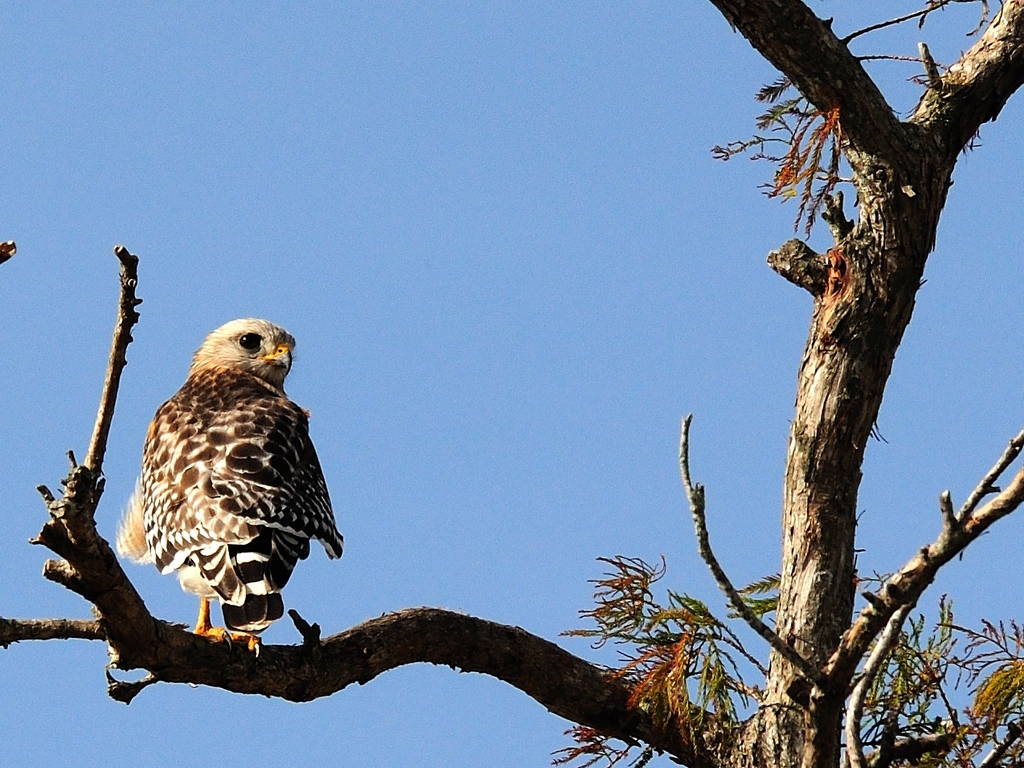
Immature Hawk

White Pelicans – Pelecanus erythrorhynchos

Posted in Bird, Camera Gear, Park | Tagged , , | Leave a comment

Learning the 10.5mm Fisheye Nikkor

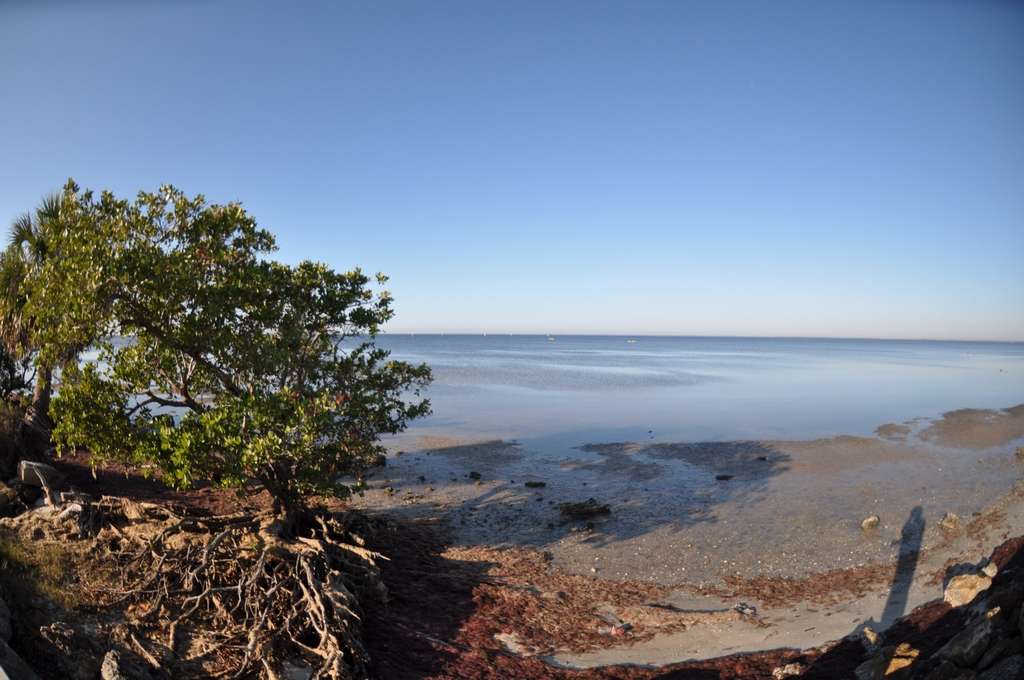
Each new lens is an opportunity to do a little more and learn a little more.  I took a 10.5mm Fisheye Nikkor to the park this morning to see what I could get out of it.  The tide was well out and aided by a north wind allowed the shore path at Ponce De Leon park to be navigated easily.

The fisheye fills the frame on a DX camera like the Nikon D90.  If you are holding the camera plumb about the only difference you will immediately notice is the very wide angle of view.  You wouldn’t think that the difference between 10.5 and 12 is very much but, that 1.5mm is more than 10% wider than the 12-24mm f4.0 Nikkor and it is very apparent.

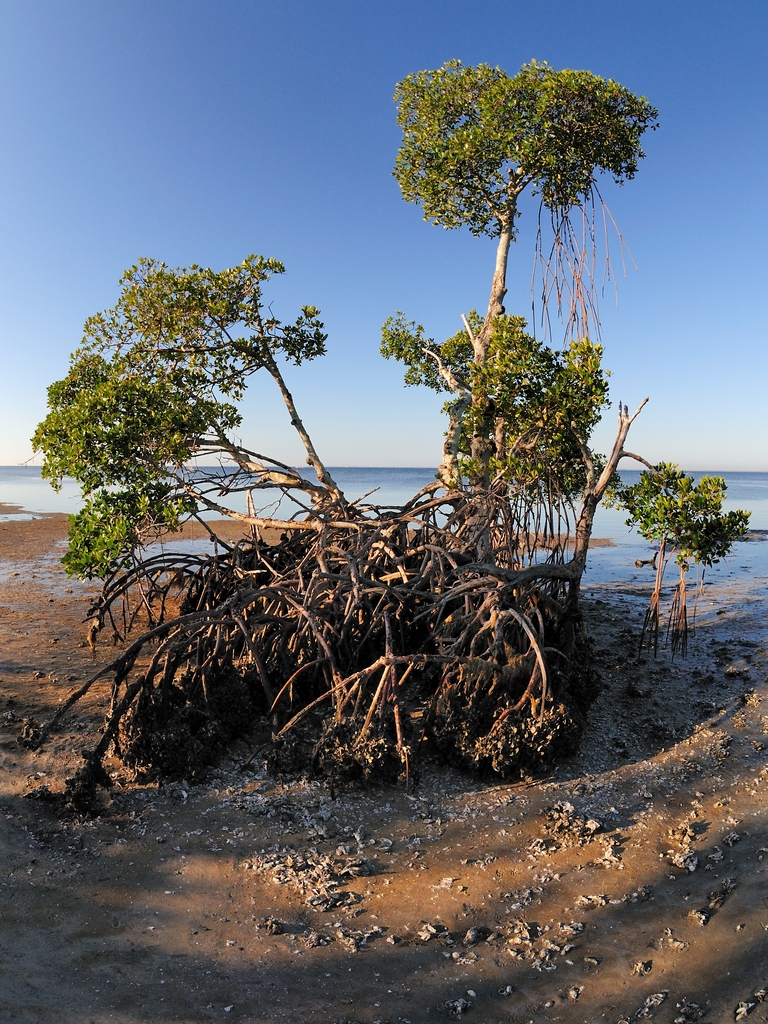
The images only appear normal when plumb, particularly if there is a horizon in the picture.  In fact, if there is a horizon, you need to put it right on the center line to avoid obvious distortion.  take a look at these three images, all taken from the same position.


This was taken with the lens tilted downward.  As a result, the horizon has become an arcing curve at the top of the picture. The two little grey triangles in the bottom corners are actually a straight seawall that I am standing on. Composition takes some care, the shadow on the right is me.

The second image was taken with the horizon level and looks almost normal.

This third image was taken with the camera tilted upward. you can see that the horizon is now a curve in the opposite direction.  It shows another aspect of the fisheye too.  Exposure can be awkward unless you are using spot metering because there is just so much in the viewfinder that can effect it.  Notice the color of  the sky too.  With an ultra wide angle lens like this, the reflection of light from the sky varies dramatically across the horizon.  With the sun at your back you will get deep blues at the top and lighter shades on the sides and horizon.

Here is another shot from a little further down the shore path showing another hazard of the lens. 

The picture on the left is a straight  from  camera jpeg.  Notice the little bit of red at the bottom left?  That’s the sleeve of my windbreaker.  The 10.5mm has a 180mm field of view on the diagonal of the frame. 

You really have to watch the whole frame to keep out of trouble.I also wanted the horizon directly in the middle of the frame just to keep it level and then cropped to move it upward.  Notice that the shadows on the sand at the bottom follow a curved path.  They were actually the shadows of relatively straight trees that look curved from the lens distortion.  Here is a final shot cropped and converted to Black and White with a little care, the 10.5 makes for interesting images without the obvious fisheye effect.

Posted in Camera Gear, Park | Tagged , , | Leave a comment

Circle B Bar Reserve – Bald Cypress and Storks

The tall trees in this picture aren’t dead although they look like snags. These are Bald Cypress. Unlike other cypresses they lose their leaves annually. Even in Florida in years when there is no frost. It’s just part of a natural cycle. While they are bald, they make great roosts for Woodstorks who prefer high roosts.

In the foreground, you can see one of the marshy areas of Circle B Bar. The water and reeds was filled with Coots, Common Moorhens, Black-bellied Whistling ducks and a host of others. Look closely at the top of the tree and you will see where the Anhinga like to sun themselves.

Posted in Bird, Park | Tagged , , | Leave a comment

Circle B Bar Reserve – Another Photo Adventure – Part 1

My local camera club decided on a field trip to the Circle B Bar Reserve in Polk County.   This is a fantastic area for viewing waterfowl both local and migratory.  The plan was to meet and carpool at 7:30 for the 1.5 hour drive.  A friend and I decided to leave early to catch the morning at the site.  We had done this previously on our own and enjoyed the sun rising over the marshes.

American White Pelicans (Pelecanus erythrorhynchos)
There is a large population of American White Pelicans (Pelecanus erythrorhynchos) which overwinters at the Circle B Bar.  Every morning they leave their overnight roost and fly to Lake Hancock and other feeding grounds in the area.  It’s quite a sight when when dozens of pelicans fly in a skein overhead.  The problem arises when you try to photograph them.  If you try to shoot the whole skein, individual birds are too small to see.  If you try to shoot individual birds, there are always others in the frame.  So, shooting small groups suits my tastes best.
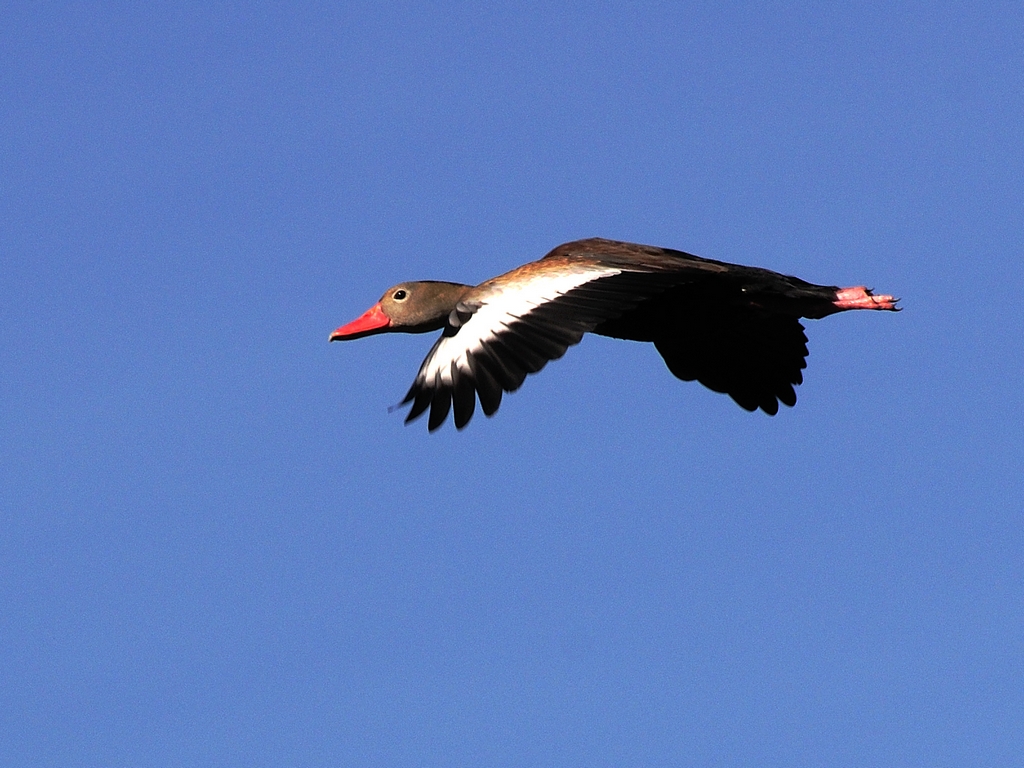
Black-bellied Whistling Duck (Dendrocygna autumnalis)

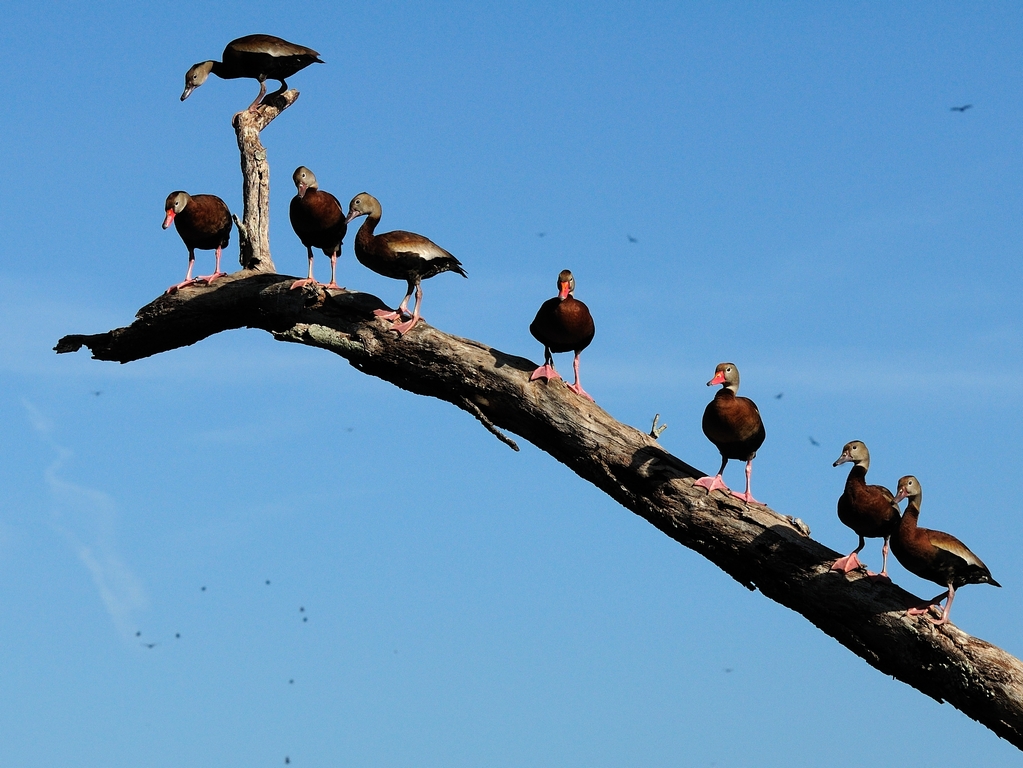
But, pelicans aren’t the only thing that lives here.  There are plenty of other waterfowl on the reserve.  One of my favorites is the Black-bellied Whistling Duck (Dendrocygna autumnalis)  It is a small duck and is called the whistling duck because it doesn’t quack like other ducks.  it has a whistly chirp like other birds.  They are  very communal feeding in the mud of the marshes and nesting as a group in trees.  Compared to the clean skeins and vees of other waterfowl in flight, these guys are absolutely chaotic.  They also roost in trees overnight which is one reason some folks call them tree ducks.  Males and females look alike.  the ones with the  dark grey beak are juveniles.

Lots more to come from this trip.

Posted in Bird, Park | Tagged , , , , | Leave a comment

Using flash for closeup work

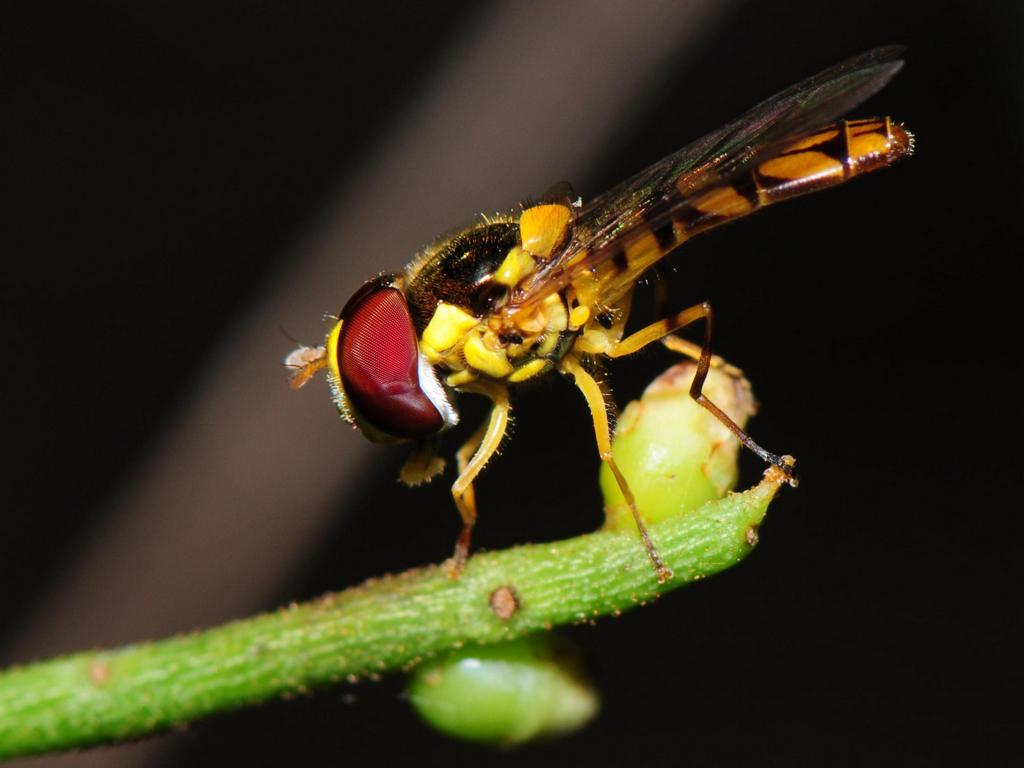
When you are shooting closeups, depth of field is always a concern.  you really need a small f-stop like f16 or f22 to maximize depth of field .  Even in sunny conditions this makes for dark image so, more light is needed.  Here is an example of a closeup of a small fly.  This was taken with the 105mm Micro-Nikkor and an SB-800 flash mounted on the camera’s hot shoe.  I used the SB-800 because it’s flash head can be tilted down 7 degrees and can therefore illuminate close subjects.  The onboard flash would have projected it’s light right over the top of the subject.
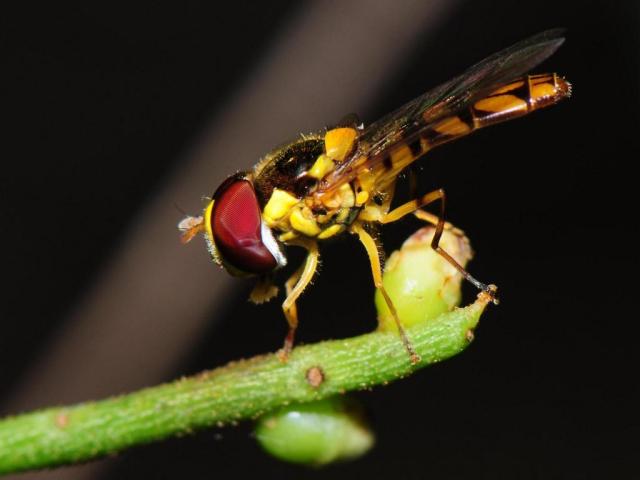
In this case, the bug was close to the path with no interfering vegetation. The exposure was 1/320 of a second at f16.  The aperture meant that most of the cluttered background would be underexposed while the subject was correctly exposed by the flash.  The total exposure meant that anything in the undergrowth would not be adequately exposed and therefore create a dark background.  You can see that there was a small twig behind the fly that also received some illumination but, when this occurs, the object is muted by focus and illumination making for an attractive background.  One downside with using on camera flash can be seen in this picture and that is the shadow under the flys face which loses some detail.

There are a variety of different flash and lighting sources available to closeup photographers. 

Ringlights

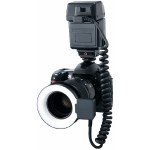
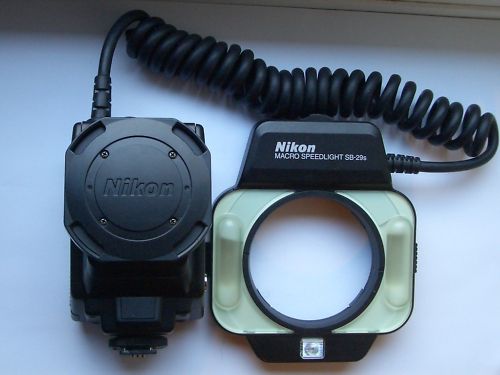
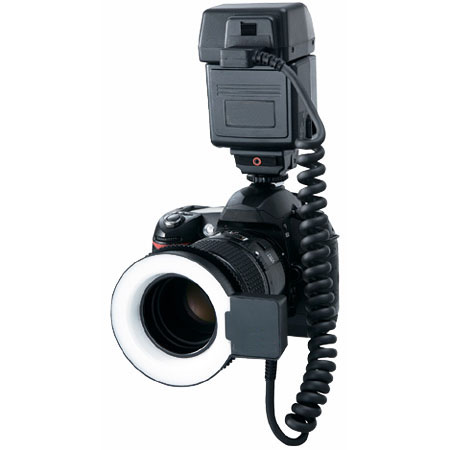
Ringlight is a generic term for a light which surrounds the front of the lens.  They may be strobes or conventional bulbs.  They come in a number of different configurations.  A few of which are shown below.

Conventional Ringlight Strobes
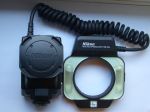
   

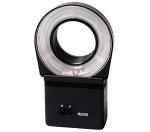
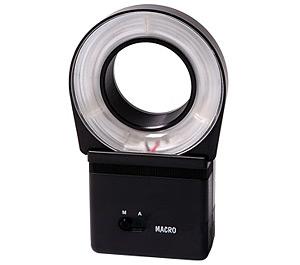
These are three examples of conventional ringlights.  They are designed to mount to the filter mounting ring of your lens and most kits come with adapters to fit the different sizes of lenses. 

The ringlight in the center has a single circular flash tube.  Lights like this produce very flat and even lighting which is useful for some types of closeup work like stamps, watch faces, etc.  They will also work for lighting three dimensional subjects but don’t provide for any modelling of the  subject.

The ringlight on the left has two vertical flash tubes.  In this model, each tube can be set to provide a different power of light.  The flash can also be rotated on the lens to provide the light from different directions shere useful.

Both of those ringlights are controlled from a powerpack/interface which mounts on the hotshoe of the camera.  The third picture shows a ringlight with it’s own power pack and is connected to the camera by a flash cable.

LED Ringlights

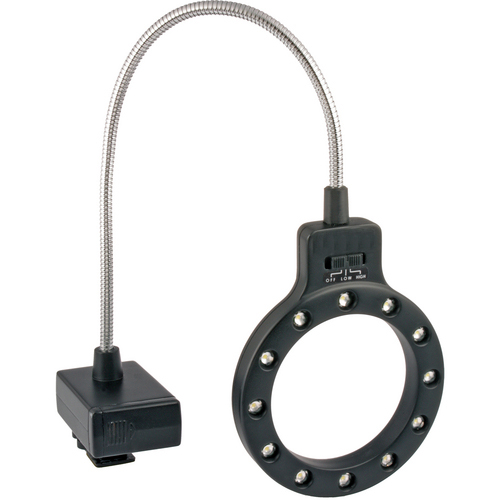
Probably the most economical is one of the white LED panels which are battery operated and mounted on the lens like a ring light.  Here is one example.

This one mounts in hot shoe and has it’s own batteries.  It extends on a flexible arm so that it will work with most lenses.  Others mount to the lens filter ring and need adapters for different lens diameters.  Some have two banks so that you can have a more directional light source.  If you are just experimenting these might be a good source.  One downside is that being a constant light, they may spook some bugs as you try to get close.  Another is the potential for the flexible arm to snag if you are shooting in brush.

Macro Lighting Systems

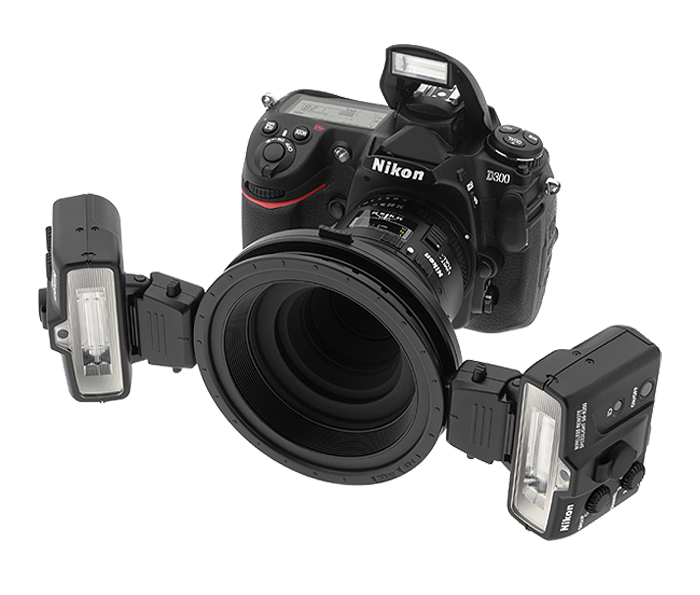
The major manufacturers have developed macro lighting systems for their flashes.  With Nikon, it is a modular system that can support up to 4 small flashes ( SB-R200) on a ring around the lens or 8 of the flashes if it is not attached to the lens (it is a weight problem above four flash units).  Here is a shot of the basic Nikon R1 Kit taken from the Nikon website.  The cameras popup flash is raised because the Nikon Creative Lighting System allows this to act as a controller for the small flashes in advanced models.
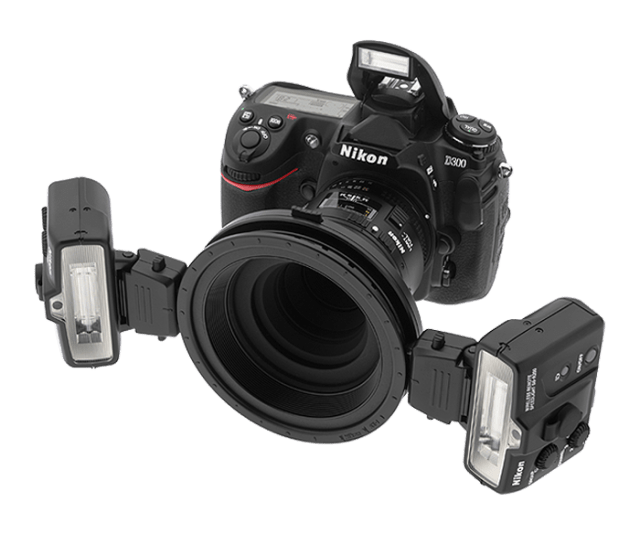
If you do not have a camera that can operate in commander mode, you would need to buy the R1C1 kit which is more expensive but, includes a controller that mounts in the hot shoe.  Canon and Sony offer similar systems for their cameras.  Other manufacturers probably do as well.  These systems have a couple of advantages.  The flashes are further from the front of the lens so, the lighting is coming from a better angle and can provide more modelling when used correctly.  Each flash can be independently set for power so you can have a main light and a fill light quite easily.  If you rotate from horizontal to vertical, a simple press of two buttons (on the R1) allow the flashes to be rotated as a unit.

Using the flash(es) you have

While the fancy macro flash systems and ringlights are great tools, there are ways you can use one or more of your existing flashes for macro lighting.  The main problem with the conventional popup and shoe mounted flashes is that they are designed to put light on the subject at normal focus distances.  As a result, they shoot right over a subject that is only a few inches from the front of the lens or cause the lens to cast a shadow over the subject.

There are two ways to deal with this, take the flash off the camera or use a relector to bounce light onto the subject from an angle that doesn’t create a shadow form the lens.  For example, the Nikon SB-400 is a very compact flash.  It’s generally considered useful for replacing the little popup flash on most Nikon DSLRs and the advanced P&S cameras with a hot shot.  It has a minimial capability to bounce light.  the flash will only tilt upward.  This doesn’t help get any flash on a closeup subject unless you create a reflector.

The simplest is just to hold a white piece of paper above the flash with an upward tilt to the flash.  The light hits the paper and bounces on to the subject.  This does not work well with the popup as can be seen in these pictures


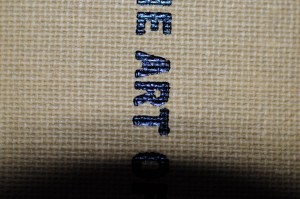
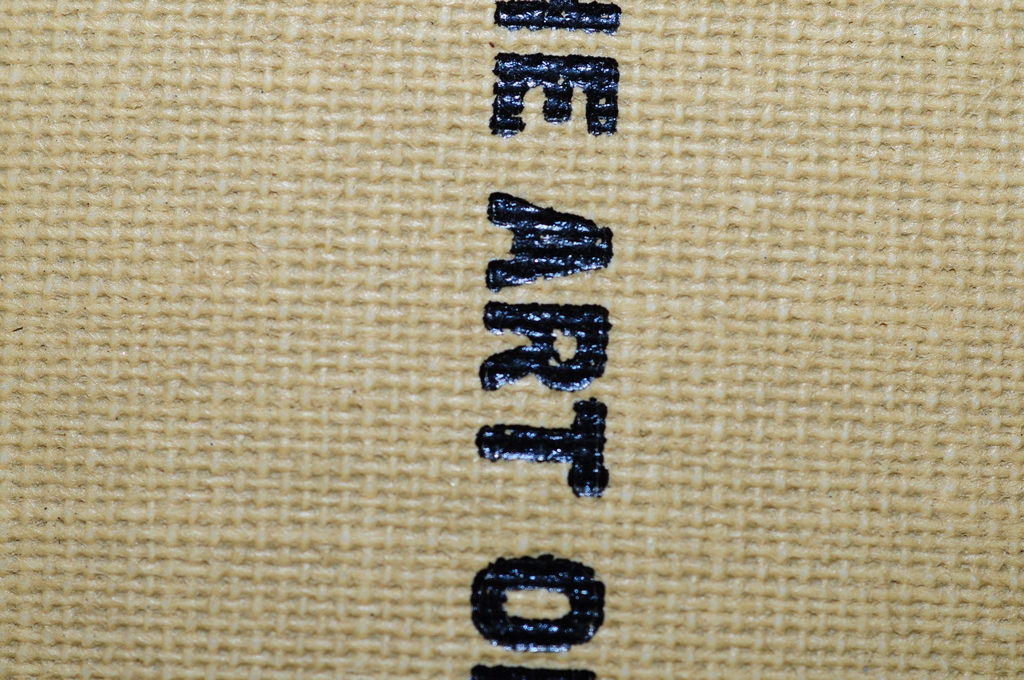
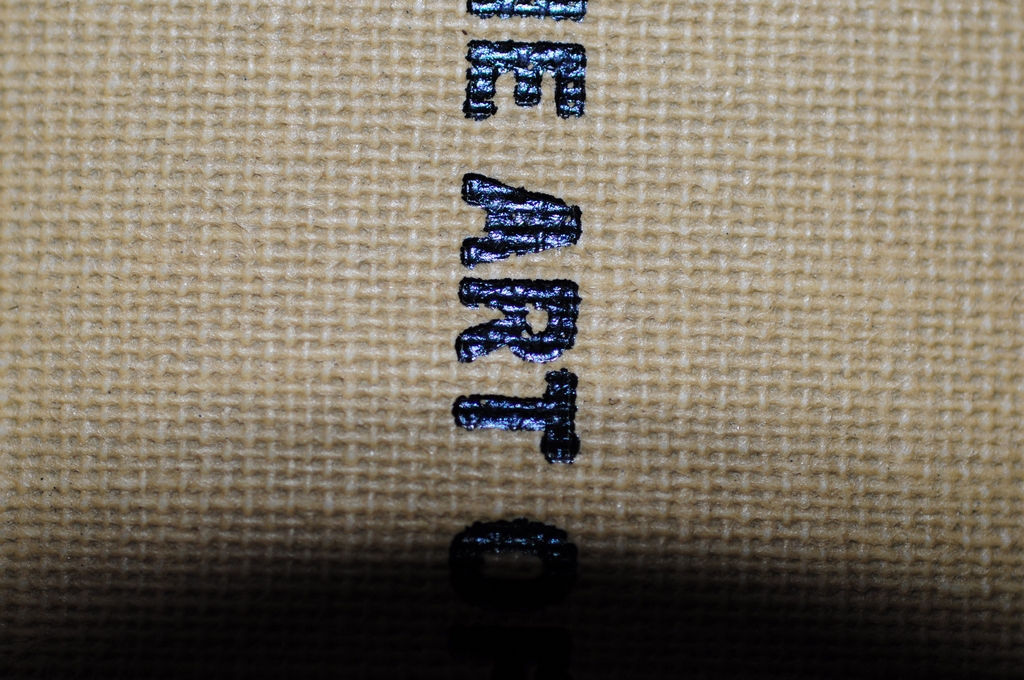
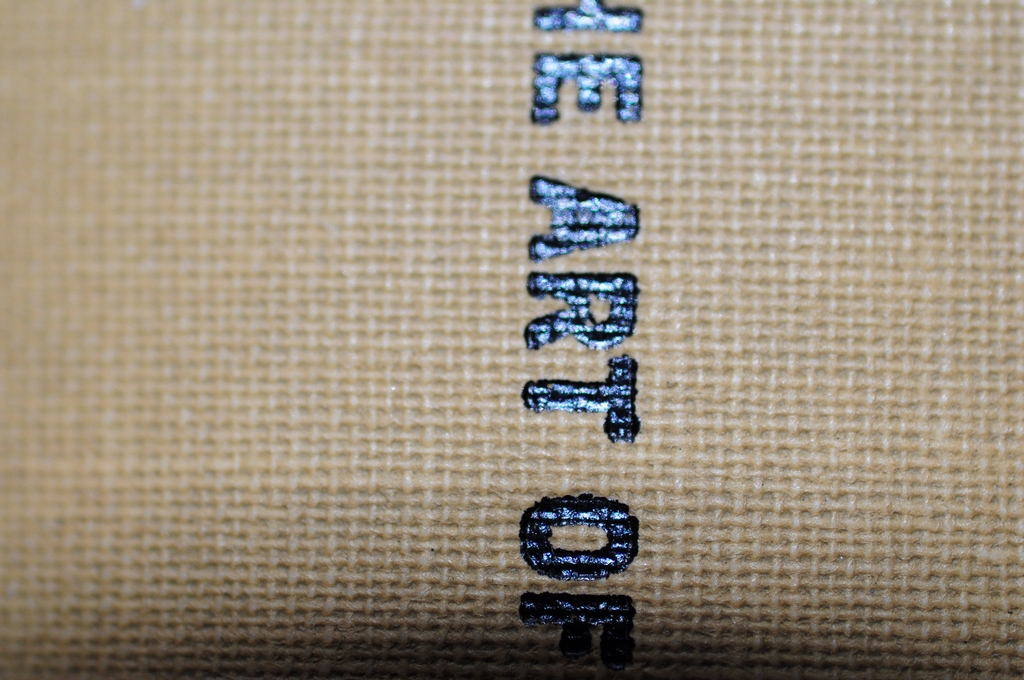
The left image is a reasonably lit closeup  of a book spine at approximately 1:1 with an SB-400 speedlight in the hotshoe of the  camera.  the center picture is the result of using the popup flash with a 60mm AF-D Micro-Nikkor.  The shadow of the lens is obvious.  The third picture shows the popup with a plain white card held about 1/2 inch above the flash.  Because there is no tilt with the popup the card provides a little fill but, the shadow is still obvious.  The SB-400 is just that little bit higher that it does not create a shadow with the 60mm F2.8D.  Now, for a surprise.  The popup flash does work with the 105mm f2.8 Micro-Nikkor without creating a shadow!  The reason is that the 105mm provides a greater working distance at 1:1 and although the lense is slightly longer, the extra working distance makes the popup workable.

Off Camera flash

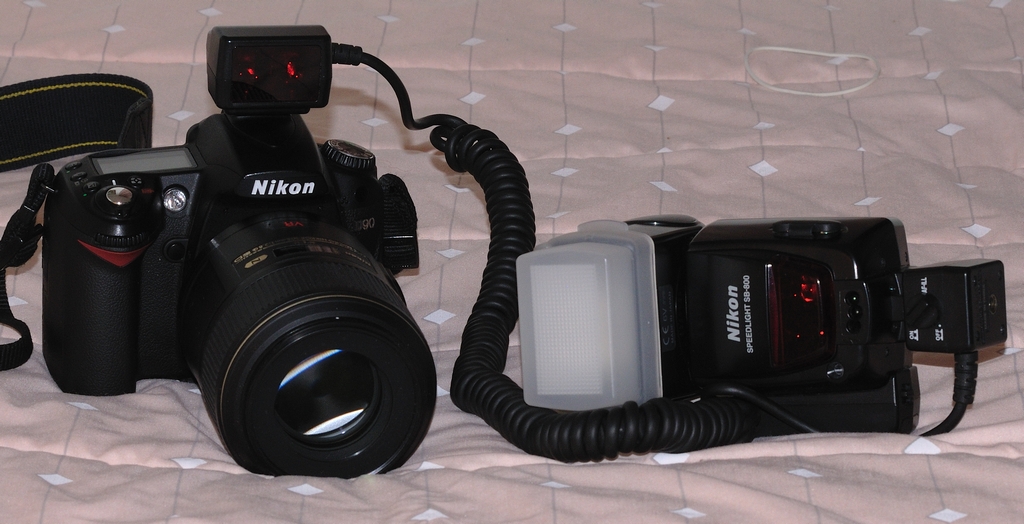
The best way to get good flash lighting for Macro though is to take the flash off the camera.  This allows you to move the light into better positions relative to the camera and subject.  There are a lot of different macro flash brackets on the market and they can be very useful for many applications.  Here is a post from another photographers blog  about a DIY model that might be useful.  I’m probably going to build one of these myself.  They work fine for bugs in open areas but I am often in very brushy areas where they can be awkward getting fouled on branches.  My solution is to use an SC-29 cord and handhold the flash with the camera handheld or on a monopod.
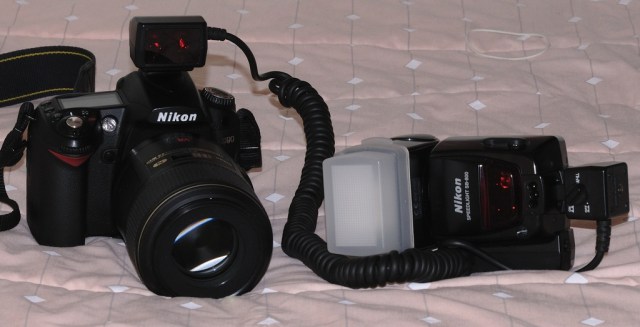
I have tried using the popup in commander mode but, the command preflash can spook the subject before the exposing flash takes place.  You could work cordlessly if your flash had an SU-4 or similar slave mode.  In fact, there are a lot of slave flashes now being sold for Point and Shoot cameras that could be very useful.  They aren’t too powerful but, in macro situations, that isn’t really a problem.
Posted in Bug, Camera Gear, Camera primers, Shooting closeups | Tagged | 3 Comments